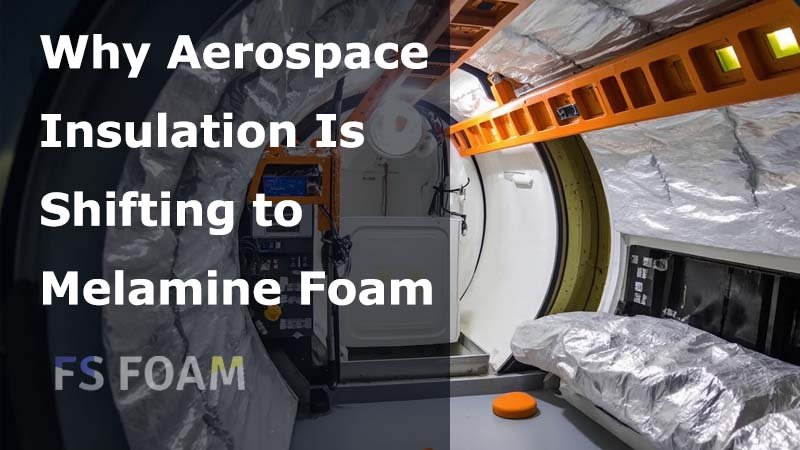
When we think about airplanes, we usually focus on engines, wings, or high-tech systems. But there is another part that quietly affects safety, comfort, and efficiency every single flight—insulation. Today, aerospace insulation is clearly changing, and melamine foam sponge is becoming the material of choice.
Why Aerospace Insulation Is Important
We often do not see insulation, but we feel its effects. Aerospace insulation helps control temperature, reduce noise, improve safety, and lower fuel use.
Aircraft fly through very different environments. On the ground, it can be hot. At high altitude, it becomes extremely cold. Without proper insulation, keeping the cabin comfortable would require much more energy. That means higher fuel use and higher costs.
Noise is another major issue. Engines, airflow, and onboard systems create constant sound. If insulation does not absorb this noise, the cabin becomes loud and tiring. Over long flights, noise can affect passenger comfort and crew focus.
Fire safety is also critical. In an aircraft, space is limited. Materials must resist fire and produce very little smoke or toxic gas. This is why aerospace fire rules are much stricter than in most other industries.
Weight matters too. Every extra kilogram increases fuel consumption. Insulation covers large areas of the aircraft, so even small weight reductions can make a big difference over time.
Because of all these factors, aerospace insulation must be lightweight, safe, durable, and reliable. This is where older materials begin to fall short.
Why Melamine Foam Sponge Is Becoming the New Aerospace Standard
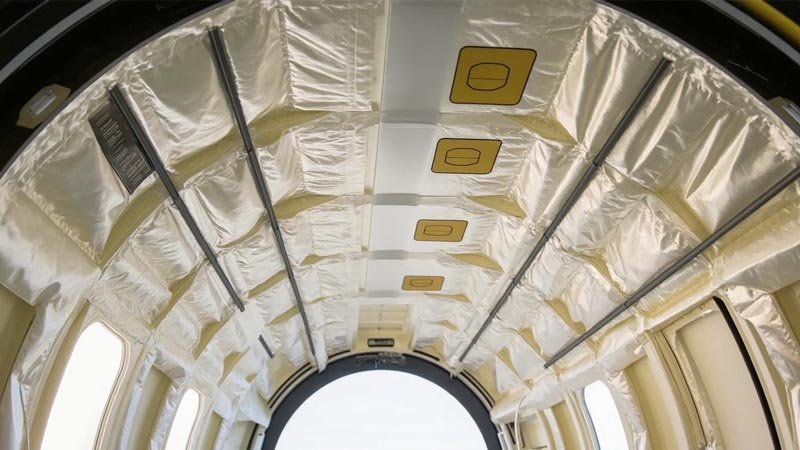
We are seeing melamine foam sponge become more popular because it can meet many aerospace needs at the same time.
One of its biggest strengths is fire safety. Melamine foam is naturally flame resistant. It does not burn easily, and when exposed to fire, it produces very little smoke and is low toxicity. In an emergency, this can help protect passengers and crew and improve evacuation safety.
Another major advantage is weight. Melamine foam has a very low density. This means it is extremely lightweight while still holding its shape. When used throughout an aircraft, this weight reduction helps lower fuel use and emissions.
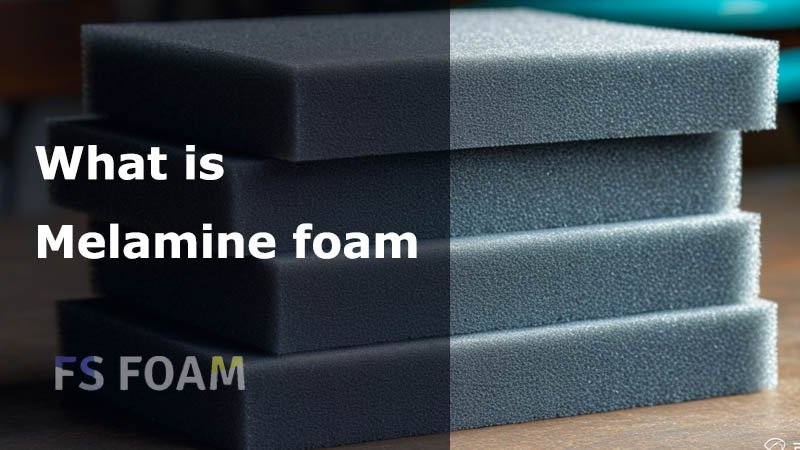
Melamine foam also performs very well at noise control. Its open-cell structure allows it to absorb sound instead of reflecting it. This helps reduce cabin noise and makes flights quieter and more comfortable.
Thermal insulation is another benefit. Even though it is lightweight, melamine foam helps maintain stable temperatures inside the aircraft. It performs well through repeated heating and cooling cycles without losing effectiveness.
Durability is equally important. Unlike some traditional insulation materials, melamine foam resists moisture, mold, and bacteria. This helps keep the aircraft cleaner and reduces maintenance needs over time.
Because it performs well in so many areas, melamine foam is increasingly seen as a reliable and modern insulation solution.
Key Aerospace Applications of Melamine Foam Sponge
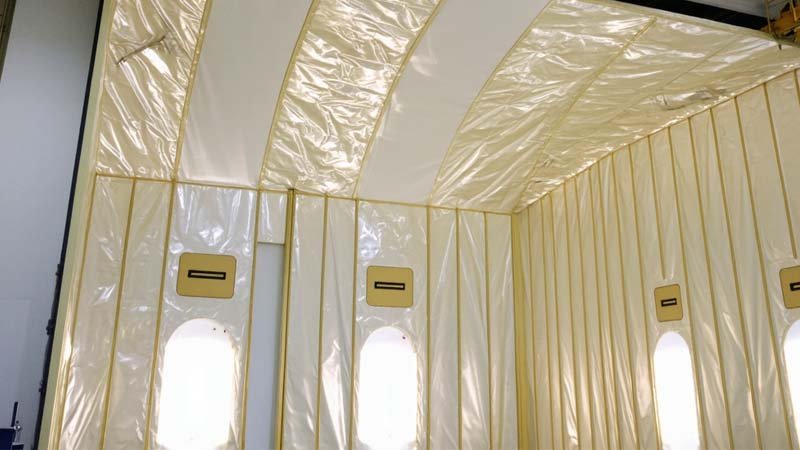
We now see melamine foam sponge used in many parts of an aircraft.
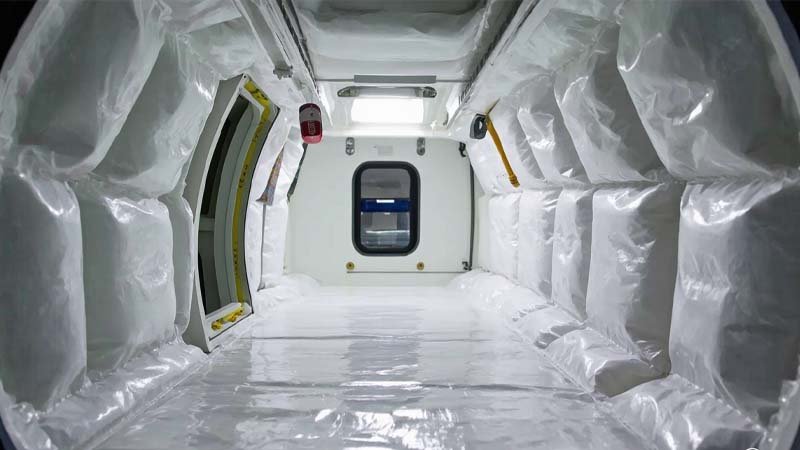
In the cabin, it is often placed behind walls, ceilings, and overhead compartments. Here, it helps reduce noise and keep temperatures comfortable while meeting strict fire safety rules.
Inside the fuselage, melamine foam helps control temperature differences and reduce condensation. Because it does not absorb much moisture, it helps prevent corrosion and unwanted weight buildup.
Near engines and mechanical systems, melamine foam is used mainly for noise reduction. While it is not designed for extremely high heat zones, it works well in nearby areas where sound control is needed.
In avionics and equipment bays, melamine foam helps protect sensitive electronics from temperature changes and vibration noise. Its stable structure allows it to stay in place even during constant movement.
Melamine foam is also used in air ducts and ventilation systems. In these areas, it reduces airflow noise and helps maintain thermal efficiency, making the aircraft quieter and more energy efficient.
Conclusion
From our point of view, the move toward melamine foam sponge in aerospace insulation makes clear sense. Aircraft today must be lighter, safer, quieter, and more efficient than ever before.
Melamine foam offers strong fire resistance, low weight, good sound absorption, reliable thermal insulation, and long service life. While no single material can meet every aerospace need, melamine foam has proven to be a highly effective and practical solution.
As aircraft designs continue to advance and safety standards become stricter, we expect melamine foam to play an even bigger role in aerospace insulation.
FAQ
1, Why is melamine foam safer than older insulation materials?
Melamine foam is safer because it is naturally flame resistant and self-extinguishing. During a fire, it releases very little heat, smoke, or toxic gas. This is critical in aircraft, where low smoke and low toxicity greatly improve passenger and crew safety.
2, Does melamine foam really help reduce aircraft weight?
Yes. Melamine foam has an extremely low density while still providing strong thermal and acoustic insulation. When used throughout an aircraft, this weight reduction adds up, helping lower fuel consumption, reduce emissions, and improve overall operating efficiency over the aircraft’s lifetime.
3, How does melamine foam reduce noise?
Melamine foam has an open-cell structure that absorbs sound waves instead of reflecting them. It converts noise energy into small amounts of heat, which reduces cabin and system noise. This makes aircraft interiors quieter and more comfortable for passengers and flight crews.
4, Is melamine foam affected by moisture?
Melamine foam resists moisture absorption and does not easily support mold or bacteria growth. This helps maintain insulation performance over time, reduces corrosion risk inside the aircraft, and lowers maintenance needs compared to traditional fibrous insulation materials.
5, Can melamine foam be used in different types of aircraft?
Yes. Melamine foam is widely used in commercial aircraft, military aircraft, and specialized aerospace applications. Its fire safety, lightweight structure, and acoustic and thermal performance make it suitable across many aircraft designs and operating environments.