Featured Snippet Summary
Melamine foam is widely considered the best acoustic material for HVAC duct silencing because it offers:
- Excellent high-frequency sound absorption (500–4000 Hz)
- 97% open-cell structure for superior airflow noise reduction
- B1 / UL94 V0 flame retardancy
- Ultra-lightweight density (7–12 kg/m³)
- Fiber-free, dust-free, and safe for indoor airflow These properties make melamine foam the top choice for engineers designing quiet, safe, and energy-efficient HVAC systems.
Why HVAC Duct Noise Is a Common Problem
HVAC ducts are essential for moving air in commercial buildings, offices, shopping malls, hospitals, and cleanrooms.
However, the airflow inside ducts generates noise from:
- Fan turbulence
- Air pressure fluctuations
- Vibration of metal ducts
- Cross-duct resonance
- High-velocity air passing through bends or dampers
These noises, typically in the 500–4000 Hz range, directly affect indoor comfort and acoustic performance.
So engineers need a material that can:
✔ Absorb high-frequency noise
✔ Resist airflow erosion
✔ Not release fibers or dust
✔ Meet fire-safety regulations
✔ Last for years without sagging or degradation
That’s why melamine foam is now widely recognized as the go-to material for effective duct silencing.
Why Melamine Foam Stands Out as the Top Acoustic Choice for HVAC Ducts
1. Superior High-Frequency Sound Absorption
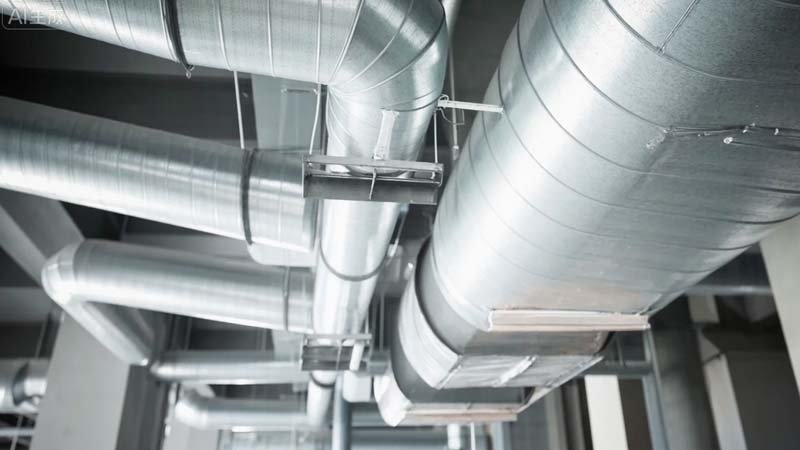
HVAC duct noise is primarily high-frequency — the exact range where melamine foam performs best.
Melamine foam uses a three-dimensional open-cell network with about 97% porosity, letting sound waves travel deep into the structure where they lose energy through friction as they move through the interconnected cells.
In the key HVAC frequency bands:
- At 1000 Hz → Absorption coefficient ~ 0.90+
- At 2000–4000 Hz → Absorption coefficient ~ 0.95+
This outperforms PU foam, glass wool, and polyester fiber in airflow-related noise suppression.
2. B1 / UL94 V0 Flame Retardant — Critical for HVAC Safety
Air ducts must comply with strict fire standards because they distribute air throughout the entire building.
Melamine foam is inherently flame retardant, meaning:
- It does not melt or drip
- It does not support combustion
- Only forms a thin carbonized layer when burned
This is crucial for HVAC safety and compliance with:
- EN 13501-1 B-s1,d0
- UL94 V0
- DIN 4102 B1
Many alternative materials (PU foam, PE foam) cannot meet these fire classifications without heavy chemical additives.
3. Ultra-Lightweight for Easy Installation
Density: 7–12 kg/m³, significantly lighter than:
- PU foam
- EPDM rubber
- Fiberglass insulation
Lightweight materials are easier to install inside long duct runs and reduce structural load in ceiling-mounted systems.
4. Fiber-Free and Dust-Free — Safe for Airflow
Unlike glass wool or mineral wool, melamine foam:
- Produces no dust
- Contains no loose fibers
- Won’t irritate skin, eyes, or respiratory systems
- Will not contaminate airflow
This makes it ideal for:
- Hospitals
- Cleanrooms
- Food production facilities
- HVAC systems serving sensitive environments
5. Excellent Temperature Resistance (–240°C to +220°C)
HVAC ducts must handle:
- Cold air
- Hot air
- Rapid temperature fluctuations
- Motor heat from fans
Melamine foam remains stable across the entire range without:
- Shrinking
- Melting
- Aging
- Hardening
6. Long-Term Durability & Stability
Melamine foam does not suffer from:
- Yellowing
- Powdering
- Moisture absorption
- Mold growth
This ensures maintenance-free operation for 10–20+ years.
Comparison: Melamine Foam Sponge vs Other Duct Silencing Materials
| Property | Melamine Foam sponge | Glass Wool | PU Foam | Polyester Fiber |
|---|---|---|---|---|
| High-frequency absorption | ⭐⭐⭐⭐⭐ | ⭐⭐⭐⭐ | ⭐⭐⭐ | ⭐⭐⭐ |
| Flame retardancy | ⭐⭐⭐⭐⭐ | ⭐⭐⭐⭐ | ⭐⭐ | ⭐⭐ |
| Fiber shedding | No | Significant | No | No |
| Dust-free | √ | × | √ | √ |
| Density | Very low | Medium | Low | Medium |
| Indoor air safety | Excellent | Irritant | Good | Good |
| Temperature resistance | –240 to +220°C | 300°C | 150°C | 150°C |
👉 Melamine foam sponge provides the best overall balance of acoustic, safety, and hygienic performance.
Where Melamine Foam Sponge Is Used Inside HVAC Systems
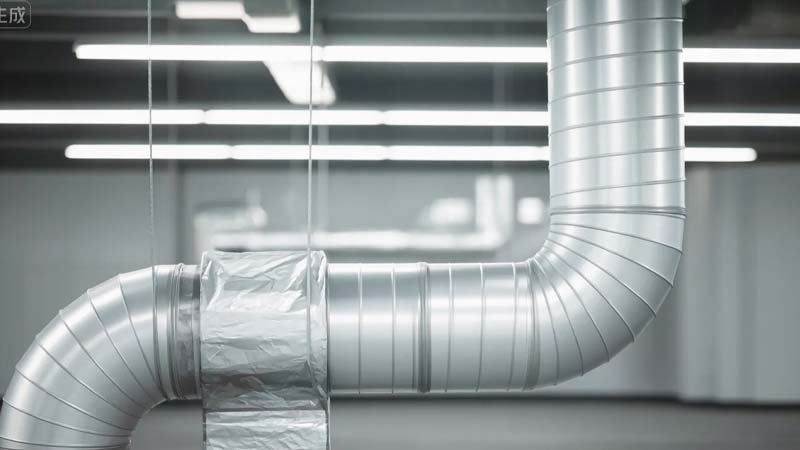
1. Inside Duct Liners
Absorbs airflow and fan noise.
2. Transition boxes & plenums
Reduces turbulence noise at bends or expansions.
3. Air handling units (AHUs)
Used on interior walls for sound and vibration control.
4. Fan housings & silencer units
Reduces motor noise and high-frequency blade noise.
5. HVAC terminal units (VAV boxes)
Smooths out noise from pressure changes.
How to Select the Right Melamine Foam Sponge Structure
| Application | Recommended Foam Type |
|---|---|
| High-velocity ducts | Melamine foam + fiberglass cloth laminate |
| Fire-critical areas | Melamine foam + aluminum foil |
| Hospitals & cleanrooms | Pure melamine foam, no cover layer |
| Outdoor ducts | Melamine foam + waterproof protective film |
| Vibration areas | Foam + EPDM damping composite |
Conclusion
Melamine foam sponge is the top choice for HVAC duct silencing because it uniquely combines:
- Superior high-frequency sound absorption
- Flame retardant performance
- Ultra-lightweight density
- Dust-free and fiber-free safety
- High temperature resistance
- Long-term durability
No other material provides the same level of acoustic performance + safety + cleanliness, which is why HVAC engineers increasingly specify melamine foam for modern ducting systems, AHUs, and air distribution networks.
FAQ
1. What makes melamine foam sponge better than fiberglass or PU foam for HVAC duct silencing?
Melamine foam sponge absorbs high-frequency duct noise more effectively thanks to its 97% open-cell structure. It’s also inherently flame-retardant, ultra-light, and completely fiber-free, making it safer for indoor airflow. Unlike fiberglass or PU, it won’t shed dust, irritate skin, or degrade over time.
2. Is melamine foam sponge safe for hospital or cleanroom HVAC systems?
Yes. Melamine foam sponge contains no loose fibers, dust, or chemical emissions, making it ideal for sensitive airflow environments. Hospitals, laboratories, and cleanrooms use it because it won’t contaminate air, doesn’t shed particles, and remains stable under varying temperatures and airflow pressure.
3. Can melamine foam sponge withstand high temperatures inside HVAC ducts?
Melamine foam sponge stays stable from –240°C to +220°C, making it suitable for hot and cold air ducts, AHUs, and fan housings. It doesn’t melt, shrink, or harden with temperature swings, and its inherent flame resistance helps meet strict HVAC fire-safety standards.
4. How long does melamine foam sponge last inside HVAC systems?
Melamine foam sponge typically performs reliably for 10–20 years. It doesn’t yellow, powder, absorb moisture, support mold, or sag inside ducts. Its consistent acoustic performance and resistance to aging make it a long-term, maintenance-free solution for duct silencing and airflow noise reduction.
5. Where is melamine foam sponge typically installed in HVAC systems?
Melamine foam sponge is commonly used in duct liners, plenums, AHUs, fan housings, terminal units, and silencer boxes. It absorbs turbulence noise, reduces fan-blade frequencies, and improves overall indoor acoustic comfort. Its lightweight structure also makes installation easier in ceiling-mounted or long-run ductwork.