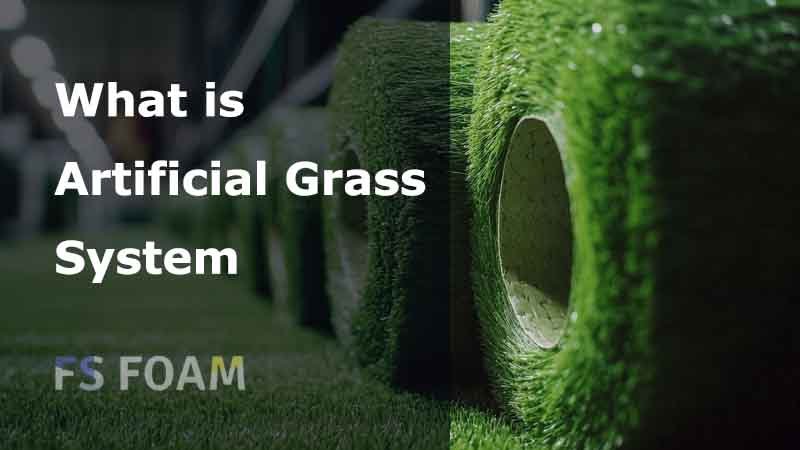
At first glance, artificial grass seems like the perfect solution for those looking to have a lush, green lawn year-round. It doesn’t require watering, mowing, or constant fertilizing like natural grass, and it stays visually appealing no matter the weather. But just because artificial grass doesn’t demand as much upkeep as its natural counterpart doesn’t mean it’s maintenance-free. We believe that proper care and cleaning are essential if you want your synthetic lawn to stand the test of time, remaining beautiful, functional, and long-lasting.
In this guide, we’ll walk you through the steps to clean and maintain your artificial grass, ensuring it remains as pristine as the day it was installed. So, let’s dive into the world of artificial turf care—trust us, it’s not as complicated as it sounds, but it does require a bit of attention.
Why Maintenance Matters
We get it: it’s easy to assume that once you’ve laid down that beautiful synthetic turf, your job is done. But the truth is, that neglecting your artificial grass can lead to wear and tear, which can diminish its aesthetic appeal and function. So, why should we care about regular maintenance?
First off, it’s about preserving that fresh, vibrant look. Over time, dirt, debris, and even pet waste can pile up, leaving your lawn looking less than perfect. Without cleaning, these things can also lead to odors or even attract pests. That’s why regular cleaning is essential for keeping the fibers soft and upright.
Furthermore, maintaining your artificial grass helps to prolong its lifespan. Synthetic grass fibers, if left unchecked, can flatten, fray, or wear down in high-traffic areas. By routinely taking care of your turf, we can keep it looking sharp for years.
And finally, let’s not forget functionality. Artificial grass is designed to serve a purpose, whether it’s for a backyard, sports field, or playground. If neglected, drainage could become an issue, and water could pool, causing mold or mildew growth. Regular maintenance ensures that your grass functions as it was meant to.
Essential Tools for Cleaning and Maintenance
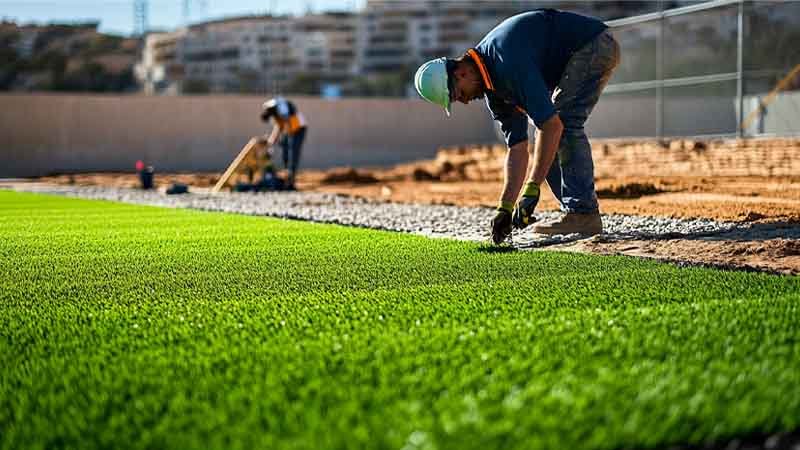
Before we get into the nitty-gritty of the cleaning process, let’s take a moment to talk about the tools you’ll need. It’s not just about elbow grease—it’s about having the right tools for the job. Here’s a quick rundown of the essentials:
- Leaf Blower or Rake: These are your first line of defense against leaves, twigs, and other debris that inevitably accumulate on your lawn. A leaf blower will help you move larger debris off the surface quickly, while a rake can be used for more precise cleaning.
- Garden Hose: Regular rinsing is key to removing dirt and dust, especially in dry or dusty climates. A simple garden hose will do, but if you can get a nozzle with adjustable pressure, even better.
- Bristled Brush: Over time, the blades of synthetic grass can become matted down. Brushing the grass with a stiff-bristled brush will help keep the fibers upright and fluffy.
- Mild Detergent: For deeper cleaning, especially if there are stains or odors, a mild detergent mixed with water can do wonders. Make sure the detergent is safe for synthetic grass.
- Weed Killer: While artificial grass is generally immune to weeds, over time, some can make their way through the seams. A non-toxic weed killer is an excellent tool to keep your lawn free from unwanted plants.
These tools are the backbone of your artificial grass cleaning routine. Each plays a critical role in keeping your lawn looking fresh and functioning well.
Step-by-Step Cleaning Process
Now that you’ve got your tools in place, it’s time to dive into the cleaning process. Don’t worry—it’s not rocket science, but a little consistency will go a long way.
1. Remove Debris
The first step is to clear your grass of any leaves, twigs, or debris. We recommend using a leaf blower, as it’s fast and efficient. Just point it at your artificial lawn, and watch the debris blow away. If you don’t have a leaf blower, a rake will do just fine. But be careful not to pull too hard on the grass fibers—gentle movements will prevent any damage.
2. Rinse Regularly
We can’t stress this enough: rinse your artificial grass regularly. You don’t need to soak it like you would a natural lawn, but a light rinse helps clear away dust, dirt, and pollen. A garden hose with moderate pressure will work well for this. If you’re in a dry or dusty area, rinsing every few weeks will keep dirt from settling into the fibers.
3. Deep Cleaning
Occasionally, your grass may need a deeper cleaning—especially if you’ve noticed stains or odors. This is where the mild detergent comes in. Mix a few drops of detergent with warm water and use a soft cloth or sponge to gently scrub the affected area. If you’ve got larger sections that need cleaning, you can use a soft-bristled brush. Just remember, always go for non-toxic, biodegradable detergents to protect the environment and your grass.
4. Brush the Fibers
After cleaning, brushing the grass fibers is essential for restoring their natural upright position. Over time, foot traffic can flatten the fibers, causing the lawn to look lackluster. We recommend brushing the grass once a month (or more frequently if it’s in a high-traffic area) to help the blades stay fluffy and upright. Use a stiff-bristled brush and go against the grain of the grass fibers. This will help the grass retain its natural look and feel.
Maintaining Proper Drainage
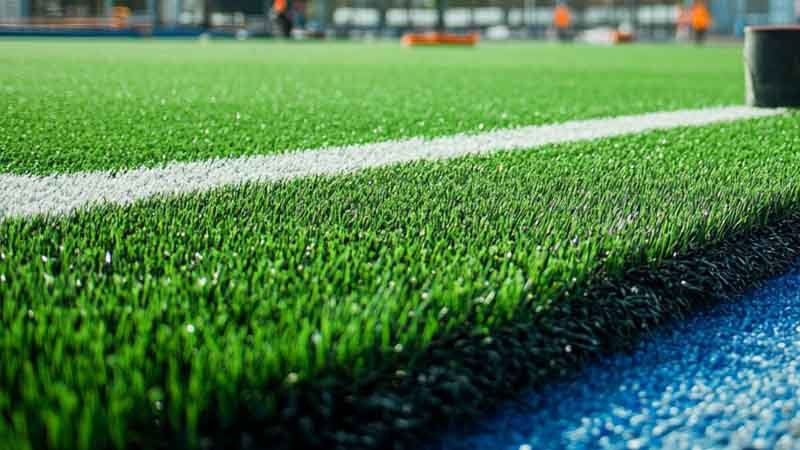
Artificial grass is designed with drainage in mind. Most turf comes with perforated backing that allows water to flow through and be absorbed into the ground. However, just like any system, it needs attention.
Check the drainage holes periodically to ensure they’re not clogged with debris or dirt. Blocked drainage can lead to water pooling on your lawn, which could cause mold or mildew. If you notice any drainage issues, clear the holes using a hose or a broom handle to dislodge any debris.
Maintaining proper drainage is key to preventing water damage and ensuring that your artificial grass continues to perform as it should.
Removing Stains and Odors
If you’ve got pets, you’ll likely have to deal with stains or odors from time to time. While artificial grass is pet-friendly, it’s important to keep it clean to prevent unpleasant smells. For pet waste, always clean it up immediately to avoid staining the fibers. Once the mess is gone, rinse the area thoroughly with water.
For more persistent odors, a diluted vinegar and water solution can help neutralize smells. Simply mix equal parts vinegar and water in a spray bottle, apply it to the affected area, and let it sit for a few minutes before rinsing it off.
For any other stubborn stains—like food or drink spills—use a mild detergent solution to gently scrub the area, followed by a rinse.
How to Handle Wear and Tear
Even with the best care, high-traffic areas will experience wear and tear over time. The fibers may begin to look flattened, or the seams might start to pull apart. Don’t panic—this is normal. The key is knowing when to repair and when to call in a professional.
For minor seam issues, you can use specialized turf glue to reattach the edges. If a patch of grass is visibly damaged or worn out, replacing that section is usually the best option. If you’re unsure, contacting a professional for turf repairs can help you avoid any further damage.
Seasonal Maintenance Tips
Artificial grass doesn’t hibernate in the winter, and it doesn’t exactly thrive in the summer heat either. During extreme weather, we need to adjust our care routine.
In the winter, for example, it’s important to remove any fallen leaves or snow promptly. Snow can cause the grass to mat down, so be sure to brush it regularly to keep it fluffy.
In the summer, high temperatures can cause the fibers to soften or even melt. Protect your lawn by minimizing foot traffic during the hottest parts of the day, and consider using a lawn cover to shield it from excessive UV exposure.
Prolonging the Life of Your Artificial Grass
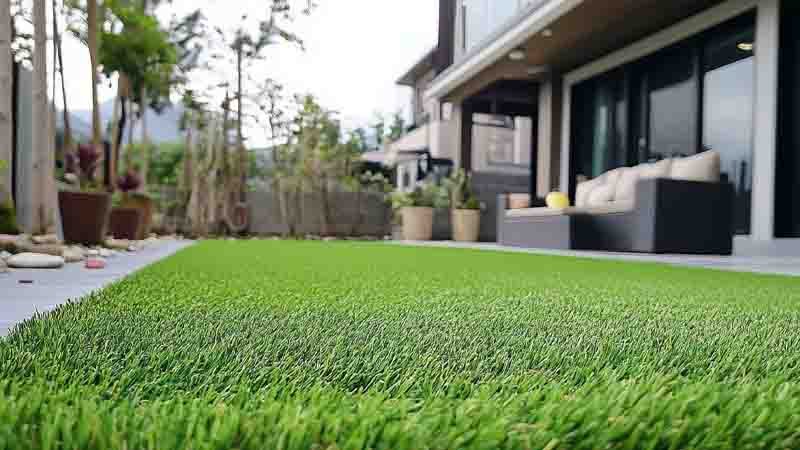
To make sure your artificial grass lasts as long as possible, there are a few simple habits we can adopt. First, limit foot traffic in high-use areas, especially right after installation. If your lawn experiences heavy use, try to rotate activities around different areas.
Protect your grass from excessive UV exposure by adding a UV stabilizer or protector to the turf. This can help keep the color intact and prevent the fibers from breaking down prematurely.
Conclusion
Artificial grass is a fantastic investment that can save you time, money, and effort. But like anything, it requires some care and attention. By following these steps, you can ensure that your artificial grass stays in top condition for years to come. Regular cleaning, brushing, and maintenance will preserve its look, feel, and function.
So, stay proactive, and stay consistent, and your artificial lawn will reward you with beauty and performance for the long haul.
FAQs
1. How often should I clean my artificial grass?
We recommend cleaning your artificial grass at least once a month. Regular rinsing to remove dirt, debris, and pet waste is essential. In high-traffic areas, you might need to clean more frequently to maintain its appearance and functionality.
2. Can I use a pressure washer on artificial grass?
It’s best to avoid high-pressure washers as they can damage the fibers. Instead, use a garden hose with moderate pressure for rinsing. A gentle spray ensures you remove dirt without risking any harm to your synthetic turf.
3. How do I get rid of odors from pet waste?
Immediately clean up pet waste, then rinse the area with water. For persistent odors, use a diluted vinegar solution or a pet-safe cleaner. These will help neutralize odors without damaging the grass fibers or backing.
4. Can pets safely play on artificial grass?
Absolutely! Artificial grass is pet-friendly, offering a safe surface for pets to play and relax. It’s easy to clean and won’t harbor pests or bacteria. Regular maintenance ensures a hygienic and durable lawn for both pets and owners to enjoy.
5. Can artificial grass withstand heavy foot traffic?
Yes, artificial grass is designed to withstand heavy foot traffic, but high-traffic areas may flatten over time. Regular brushing and maintenance can help keep the fibers upright and preserve their appearance. Consider rotating activity areas to distribute wear evenly across the lawn.