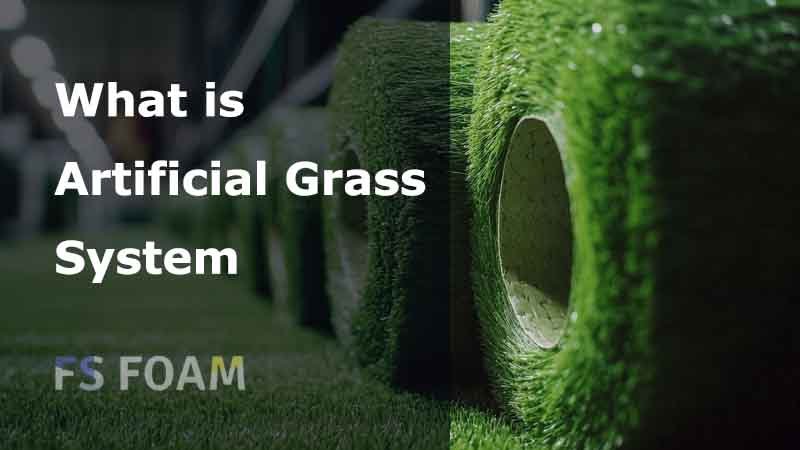
In recent years, artificial grass has become a go-to solution for many looking to create low-maintenance, aesthetically pleasing landscapes. From residential backyards to commercial properties, the demand for synthetic turf is on the rise, and its allure is understandable. Who wouldn’t want a pristine, lush lawn year-round without the hassle of mowing, fertilizing, or watering? However, as this synthetic alternative to natural grass becomes more widespread, we must examine its environmental impacts. While it might look green and low-maintenance, the reality beneath its surface is far more complicated.
Manufacturing Process of Artificial Grass
The creation of artificial grass is a process that involves a range of synthetic materials, including polyethylene, polypropylene, and nylon. These materials are chosen for their durability and ability to mimic the appearance of natural grass, but their environmental toll is not always apparent. Producing these plastics requires energy-intensive processes that contribute to a significant carbon footprint. Polyethylene, the most common material used, is derived from petroleum, a nonrenewable resource. The extraction and processing of these materials, coupled with the energy used in their manufacture, result in a considerable environmental impact.
Moreover, artificial turf often undergoes chemical treatments for UV protection, stain resistance, and increased durability. These coatings, which are essential for ensuring the longevity of the turf, can introduce harmful chemicals into the environment over time. As the grass ages and weathers, these chemicals can leach into the surrounding soil, further complicating the environmental footprint of synthetic turf.
Water Usage and Conservation
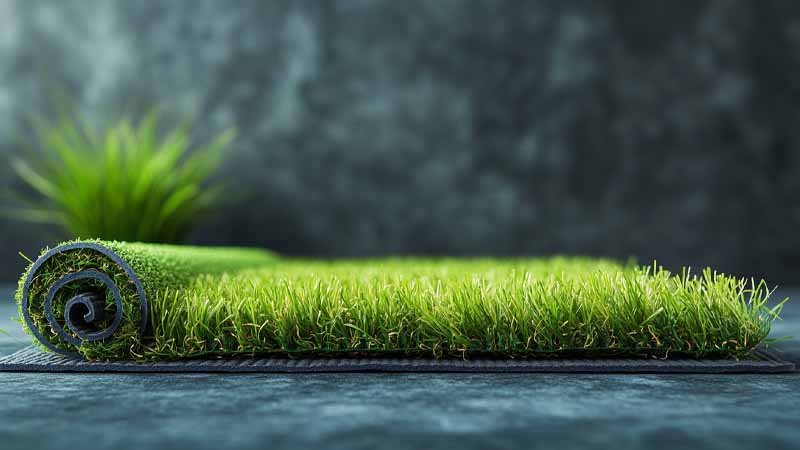
One of the primary reasons people opt for artificial grass is the promise of water conservation. Unlike natural grass, which requires frequent watering to stay green and healthy, synthetic turf needs no irrigation. In areas suffering from water scarcity, this is undoubtedly an appealing prospect. Artificial grass doesn’t require the same level of maintenance, meaning homeowners and businesses can reduce their water usage significantly.
However, it’s not all straightforward. While synthetic grass eliminates the need for regular watering, it’s not completely water-neutral. Runoff from artificial grass can carry pollutants such as oils, chemicals, and dirt, which ultimately end up in storm drains, streams, and other water bodies. In urban areas, where artificial turf is often used to cover large expanses of land, this runoff can contribute to water pollution, harming local ecosystems.
Waste and Recycling Concerns
Artificial grass, like many products in today’s world, is designed for longevity. But while it may last longer than natural grass, its disposal is far more challenging. The synthetic materials used in its creation do not decompose, meaning once the turf reaches the end of its life cycle, it can linger in landfills for years. Unfortunately, recycling programs for artificial turf are still limited, and there are few facilities equipped to break down the materials used in turf.
As a result, discarded artificial grass contributes to growing landfill waste. Even if you’re fortunate enough to find a recycling option, the process itself is complicated, involving the separation of synthetic fibers from other materials. This makes it difficult to fully recycle old turf, leading to a long-term environmental challenge.
Microplastic Pollution
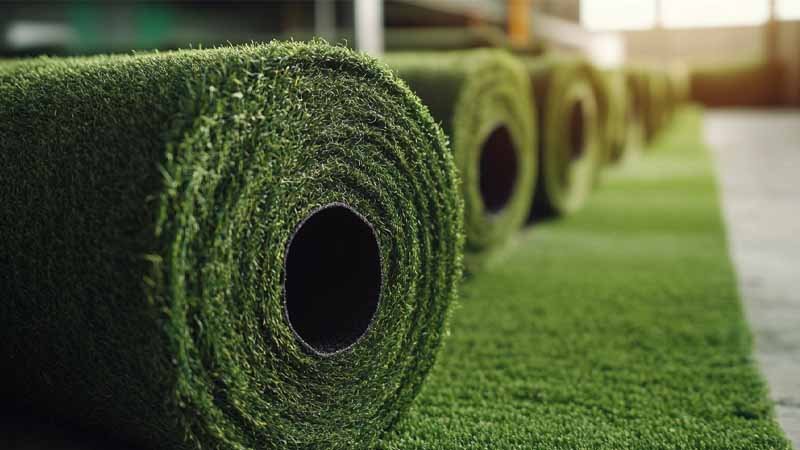
When we think of pollution, the first image that often comes to mind is plastic bottles or bags littering our streets and oceans. But there’s another form of plastic pollution that’s more insidious—microplastics. Artificial grass fibers, especially those made of polyethylene and polypropylene, are prone to shedding over time. Every time the turf is used, whether for sports, play, or foot traffic, small fibers break off and become part of the larger environmental issue.
These microplastics can easily enter the soil and water, where they can accumulate and wreak havoc on local ecosystems. The tiny particles may not be visible to the naked eye, but they have serious consequences. Microplastics have been found to contaminate marine life, soil quality, and even drinking water, posing risks to both wildlife and human health.
Heat Island Effect
Urban areas, with their concrete, asphalt, and synthetic materials, are already prone to the “heat island effect,” where temperatures in the city are significantly higher than in surrounding rural areas. Artificial grass, despite its benefits of low maintenance, can exacerbate this problem. Synthetic turf tends to absorb and retain heat more effectively than natural grass, raising surface temperatures, particularly during the summer months.
This increased heat can contribute to the urban heat island effect, creating hotter, less comfortable environments for residents. Moreover, it can lead to greater energy consumption, as more air conditioning and cooling systems are needed to manage higher temperatures. While natural grass helps to cool the surrounding environment through evapotranspiration, artificial turf offers no such benefit, adding to the urban heat burden.
Chemical Leaching and Runoff
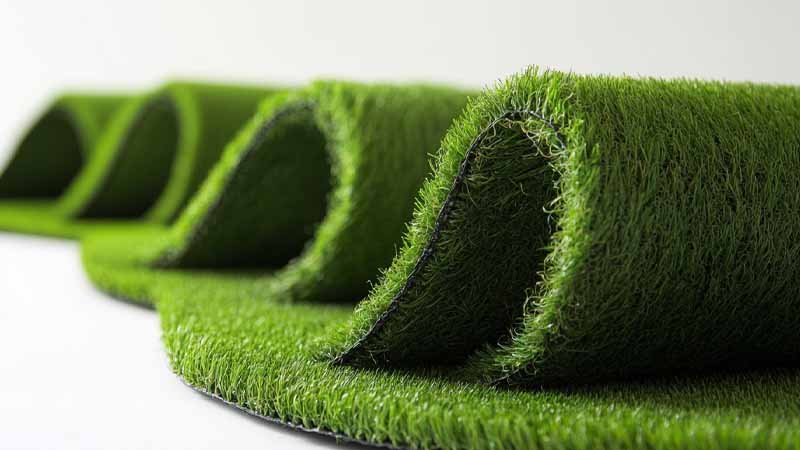
Synthetic turf often contains harmful chemicals, including lead, phthalates, and other substances used for durability and flexibility. Over time, as the turf ages, these chemicals can leach out into the surrounding environment, posing risks to soil and water quality. Rainwater or irrigation runoff can carry these chemicals into nearby streams, rivers, and lakes, contaminating local water supplies and harming wildlife.
The long-term effects of chemical leaching from artificial turf are still being studied, but the potential risks are concerning. Pollutants in the runoff can poison plant life, reduce biodiversity, and cause harm to aquatic animals that rely on clean water for survival. As the turf ages and breaks down, the impact of these chemicals only grows, posing significant risks to local ecosystems.
Biodiversity and Habitat Loss
When we replace natural grass with artificial turf, we’re also altering the habitats of the plants and animals that rely on that space. Natural grasslands are home to a wide variety of wildlife, including insects, birds, and small mammals. When artificial grass is laid down, it creates a sterile environment that doesn’t support the same biodiversity.
For example, pollinators like bees, which play a crucial role in our ecosystems, are unable to thrive on synthetic turf. The turf provides no nourishment for the insects, nor does it allow plants to grow, reducing the overall health of the local ecosystem. By replacing natural grass with artificial alternatives, we may inadvertently be contributing to the loss of vital habitats and the decline of local wildlife populations.
Maintenance and Sustainability
One of the biggest selling points of artificial grass is the promise of low-maintenance landscaping. There’s no need for mowing, fertilizing, or watering, making it an attractive option for busy homeowners or businesses looking to save time and effort. However, the reality is that maintaining artificial turf comes with its environmental costs. Cleaning synthetic grass typically requires water, and while it may use less than natural grass, it still represents an ongoing demand for resources.
Moreover, artificial grass often requires the use of chemical cleaning agents to remove stains or prevent mold growth. These chemicals, in turn, contribute to the environmental impact of synthetic turf, as they may end up in runoff or seep into the ground.
Emerging Solutions and Innovations
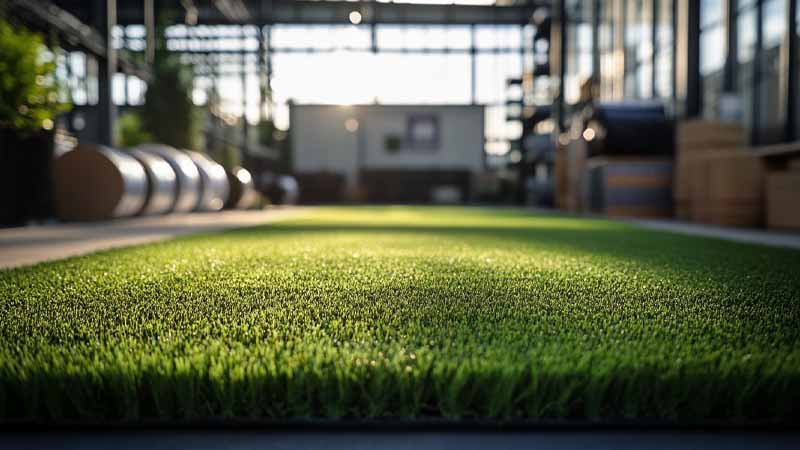
As the environmental concerns surrounding artificial grass grow, so too do efforts to address them. New, more sustainable materials are being developed for artificial turf, such as recyclable or biodegradable options. Additionally, manufacturers are exploring ways to reduce the environmental impact of production, from using recycled plastics to reducing carbon emissions during manufacturing.
There’s also the rise of more effective recycling programs. As demand for artificial turf continues to grow, we anticipate that recycling efforts will increase, providing more sustainable solutions for turf disposal. While there’s no perfect solution yet, these innovations offer hope for reducing the long-term environmental impact of synthetic turf.
Conclusion
Artificial grass may seem like a modern, eco-friendly solution, but its environmental implications are far more complex. From its production and waste disposal challenges to its contribution to microplastic pollution and heat island effects, the environmental impact of synthetic turf is undeniable. As consumers, we need to consider not only the immediate benefits of low-maintenance landscaping but also the long-term consequences of our choices. Exploring more sustainable alternatives, such as xeriscaping, and advocating for better recycling options, can help mitigate the impact of artificial grass. Ultimately, making more informed and environmentally conscious decisions about our landscapes will ensure a greener, healthier future for generations to come.
FAQs
Is artificial grass more environmentally friendly than natural grass?
Artificial grass may conserve water and reduce maintenance needs, but it comes with significant environmental costs, including energy-intensive manufacturing, chemical treatments, and non-biodegradability. Its long-term impact on waste management and microplastic pollution means it’s not necessarily a more sustainable option compared to natural grass in the long run.
Can artificial grass be recycled?
Recycling artificial grass is possible, but the infrastructure for it is still developing. Many turf products are made from materials like polyethylene or polypropylene, which are difficult to break down. Efforts to improve turf recycling programs are growing, but widespread options remain limited, and the process is complex.
What are microplastics, and how do they relate to artificial grass?
Microplastics are tiny particles that are shed from synthetic materials like artificial grass over time. As the fibers break down, they enter the environment, contaminating soil and water. These particles accumulate, causing long-term environmental damage, impacting wildlife, and potentially entering the food chain, creating risks for ecosystems and human health.
How does artificial grass affect local wildlife?
Replacing natural grass with artificial turf disrupts local ecosystems by removing essential habitats for insects, birds, and other wildlife. Pollinators, such as bees, rely on natural grasslands for food sources and nesting, but artificial grass provides no support, leading to a decline in biodiversity and habitat loss.
Are there eco-friendly alternatives to artificial grass?
Eco-friendly alternatives to artificial grass include xeriscaping, which involves designing landscapes with drought-resistant plants to conserve water. Additionally, biodegradable turf options and natural ground covers, such as clover or moss, offer more sustainable solutions that are better for the environment, reduce maintenance, and support local biodiversity.