Artificial grass. For some, it’s the future of lawn care and landscaping, while for others, it’s a reminder of something that just doesn’t quite measure up to the real thing. The synthetic nature of this grass alternative has led to an enduring question: why does it sometimes look so unnatural or fake? Sure, it’s low-maintenance, water-efficient, and perfect for sports fields and playgrounds, but those small imperfections can make it hard to ignore. Let’s dive into the reasons behind the perception of artificial grass as looking less than lifelike.
Inconsistent Color and Texture
There’s a reason the color of natural grass isn’t always the same. It shifts with the seasons, weather, and environmental conditions. But synthetic turf? Well, that’s a different story. One of the most glaring issues with artificial grass is its color. Over time, this synthetic turf can appear monotonous. If you’ve ever come across low-quality artificial grass, you’ve likely noticed its flat, uniform shade of green. It’s as though someone took a paintbrush and applied a single tone across the entire expanse.
This happens because of the nature of artificial grass fibers. While high-end products often strive for realism by incorporating different shades of green and brown, cheaper options frequently lack this depth. The result? A carpet-like appearance that’s completely devoid of the dynamic variation you’d find in nature. Add to this the fact that artificial grass can fade with exposure to sunlight, and the problem becomes even more pronounced. Over time, the color loses its vibrancy, creating a washed-out look that can seem downright lifeless.
But the texture? That’s another story. Synthetic turf is designed to mimic the feel of real grass underfoot, but it’s almost impossible to replicate the natural texture fully. The smoothness of artificial fibers often leads to a uniform look, lacking the random tufting of natural grass. It’s that slightly uneven, untamed texture that makes real grass feel authentic. Without it, artificial grass feels… too perfect.
Shiny or Plastic-Like Appearance
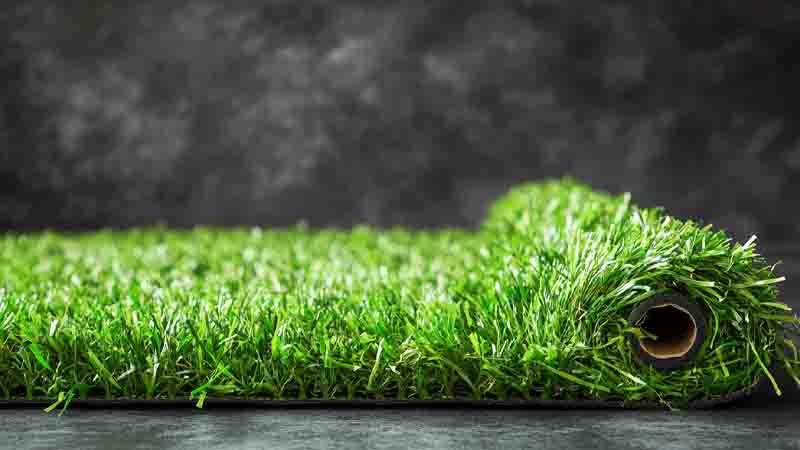
Artificial grass, especially the older varieties, can easily fall victim to an issue that natural grass has no equivalent of: a shiny appearance. Why does this happen? Well, it all comes down to the materials. Most artificial grass is made from polyethylene or polypropylene, two plastics that reflect light in a way that grass blades never could. When sunlight hits the fibers, the result can often be a glare, almost like looking at a plastic mat on the ground. While some newer products have been designed to combat this with more advanced, matte finishes, the early models were notorious for this unappealing shine.
But it doesn’t stop there. As artificial grass ages, the fibers begin to lose their texture, causing them to flatten and take on a more unnatural, plastic-like sheen. UV degradation contributes to this, as the sun breaks down the plastic components, leading to fading and further increasing that artificial look. So, while a freshly installed lawn may shine in the sunlight, a few months or years down the road, that luster may diminish, leaving behind an unnaturally shiny and fake-looking surface.
Poor Installation and Maintenance Issues
Ah, the bane of any good artificial lawn: poor installation. When artificial grass is laid down incorrectly, it can lead to a host of problems that make it look far from natural. Uneven ground preparation, improper tensioning of the turf, or poorly laid base layers can result in bumpy or uneven patches that draw attention to their lack of realism. And it’s not just about how it looks when it’s first installed. Over time, the lack of proper maintenance can lead to areas where the fibers become flattened, or worse, discolored. Dirty infill, fallen debris, and compacted areas all make it harder to maintain that picture-perfect aesthetic.
When installed properly and maintained well, artificial grass can look almost indistinguishable from the real thing. However, just like natural grass requires regular care—mowing, watering, fertilizing—the same goes for artificial turf. The fibers need brushing, the base should be kept clear of debris, and the infill should be replenished. Skipping these steps only invites imperfections, whether that’s flattened patches, faded color, or uneven growth.
Lack of Natural Grass Movement
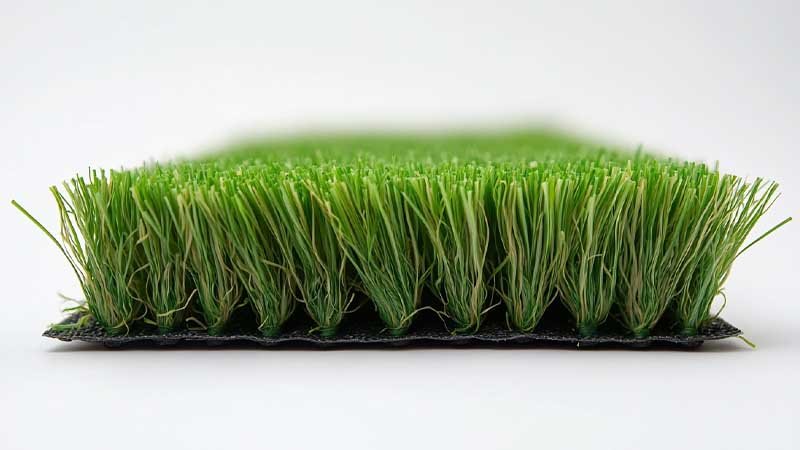
There’s something about the way natural grass moves in the wind. It sways and bends, adding a level of life to the landscape that artificial grass simply can’t replicate. When you step out onto a field or lawn, the soft rustling of grass beneath your feet, the subtle movements as the wind shifts the blades – it’s a feature so ingrained in our understanding of what grass should be, that the stillness of artificial turf feels off.
Artificial grass doesn’t bend or sway. It stands still, rigid, almost frozen in place. While this may seem like a minor issue at first, it’s one of those subtle factors that can tip the scale from “realistic” to “fake.” When you look at an artificial lawn, you’re missing that slight, ever-present movement that natural grass provides. It’s a detail we don’t often think about until it’s absent, but it plays a big part in why artificial grass sometimes just doesn’t feel “alive.”
Inconsistent Pile Height and Density
Artificial grass isn’t all the same; there’s variation in the height and density of the fibers. But when the pile height is too uniform or sparse, it can create an unnaturally flat appearance. Grass in nature grows in random patterns. Some areas are thicker, some are thinner. It’s this randomness that gives real grass its lush, full look. Artificial grass, on the other hand, often fails to replicate that natural inconsistency.
For example, a field with a highly uniform, dense turf may look almost too perfect. While that may seem desirable for some, it fails to mirror nature, where patches of grass are always more or less abundant depending on the environment. The most lifelike turf uses varied pile heights and densities to simulate the randomness of real grass, making it appear fuller and more authentic.
Overuse of Infill Materials
Infill materials, like sand or rubber, are often used in artificial grass to keep the fibers upright, provide cushioning, and enhance the overall feel. However, if too much is used, it can result in a bulky, uneven surface. Think about the way grass feels beneath your feet; it’s soft and spongy, but not overloaded. Infill, when overdone, can cause the fibers to stick out unnaturally or even create lumps and bumps on the surface. Instead of that lush, natural feel, the lawn might appear clumpy or misshapen.
It’s a delicate balance. The right amount of infill gives the turf structure without overpowering the natural texture of the blades. Too much? You’re left with a lawn that looks heavy and artificial. A soft, balanced look is key to making artificial grass appear as close to the real thing as possible.
Poorly Matched Infill Color
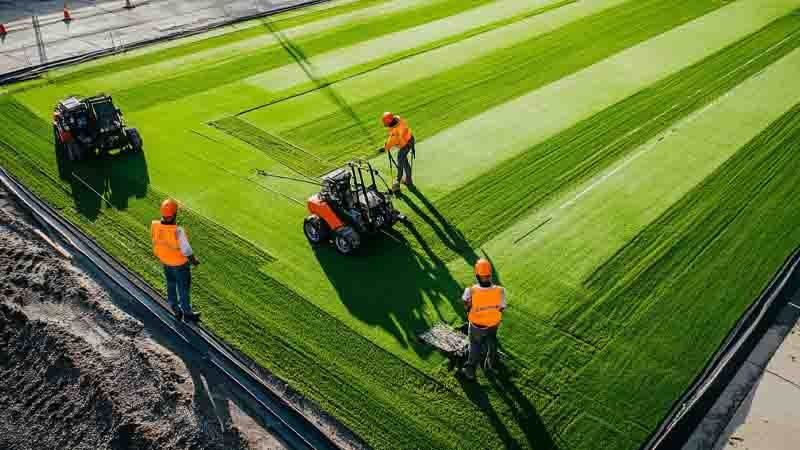
One often overlooked detail in artificial grass aesthetics is the color of the infill. Infill serves to support the grass fibers, but if the color doesn’t match or complement the fibers, it can create a jarring, artificial effect. When the color of the infill stands out against the grass, it pulls the eye and breaks the illusion of realism.
If the infill is too dark or too light compared to the fibers, the contrast can make the turf look unbalanced. Think of how natural grass has subtle brown or yellow hues that blend into the green. Artificial grass needs to replicate that. The color of the infill should blend harmoniously with the grass to prevent any stark, unnatural color shifts that detract from the overall effect.
Conclusion
Artificial grass has come a long way, and as technology continues to improve, so does its realism. But even with these advances, there are still factors that can make artificial grass look fake or unnatural. Inconsistent color, poor installation, maintenance neglect, and the absence of movement can all contribute to the perception that something isn’t quite right.
That said, with the right materials, proper installation, and regular maintenance, artificial grass can look just as vibrant, lifelike, and lush as the real thing. As technology advances, the line between synthetic and natural turf will continue to blur, and the once-fake lawns of today will only get better.
FAQs
1. Can artificial grass ever look completely natural?
Yes, artificial grass can look very close to real grass when high-quality materials are used, with proper installation and regular maintenance. While certain natural features like wind movement can’t be replicated, advanced technology continues to improve realism, making it harder to distinguish from the real thing.
2. Does the color of artificial grass fade over time?
Yes, artificial grass can fade with prolonged exposure to UV rays. Over time, sunlight degrades the synthetic fibers, causing them to lose their vibrant color. UV-resistant materials and protective coatings are essential for prolonging the look of your turf and maintaining its realistic appearance for years.
3. How often should artificial grass be maintained?
Artificial grass requires periodic maintenance, including brushing to keep the fibers upright, removing debris, and replenishing infill to ensure proper cushioning. Regular cleaning helps preserve the turf’s appearance and longevity. Depending on usage, maintenance should be performed every few months or more frequently in high-traffic areas.
4. Is DIY installation of artificial grass recommended?
While it’s possible to install artificial grass yourself, professional installation ensures a better and longer-lasting result. It requires precise ground preparation, proper leveling, tensioning, and correct infill application. Incorrect installation can lead to uneven surfaces, wear, or an unnatural appearance, compromising the overall quality of the turf.
5. Is artificial grass better for the environment than natural grass?
Artificial grass reduces water usage, eliminates the need for pesticides, and requires minimal maintenance. However, it’s made from plastic materials, which can contribute to environmental waste. While it offers ecological benefits in certain contexts, its environmental impact depends on factors like material sourcing, longevity, and end-of-life disposal.