Foam materials are often hidden behind the scenes, quietly playing crucial roles in a variety of industries. Whether it’s the comfort of a mattress, the protection of fragile goods in transit, or the insulation that keeps our homes energy-efficient, foam is there, providing support, protection, and resilience. Among the many types of foam, polyurethane foam, and polyethylene foam stand out due to their widespread use and unique properties. But which one is better? The answer depends on your specific needs.
In this article, we’re diving deep into a comprehensive comparison between polyurethane and polyethylene foam. Our goal? To arm you with the knowledge to make the best decision for your project, whether that’s in packaging, construction, automotive, or even recreational gear.
What Are Polyurethane and Polyethylene Foams?
Polyurethane Foam
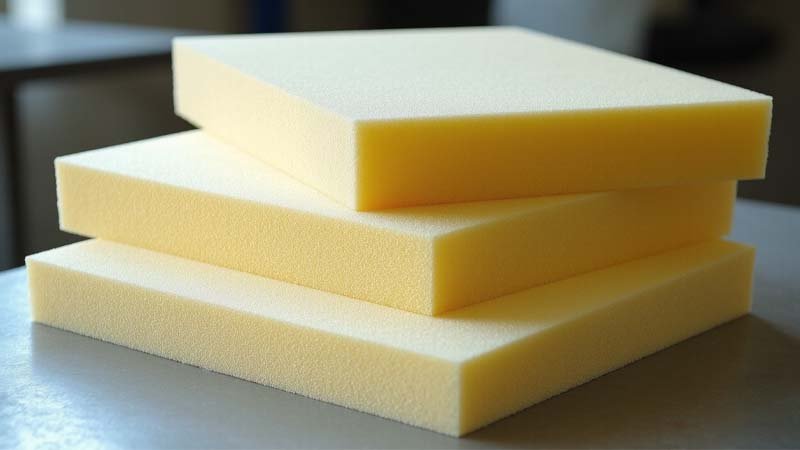
Polyurethane foam is an incredibly versatile material, celebrated for its adaptability across a wide range of applications. This foam is created through the reaction of polyols (alcohol compounds) and diisocyanates (organic compounds), which together form a complex, flexible structure. The result is a foam with a remarkable ability to change its density and hardness depending on the application. You’ll find polyurethane foam in everything from furniture cushions to automotive interiors.
This foam comes in two main types: flexible and rigid. Flexible polyurethane foam is often used for comfort and cushioning, while rigid foam is used in applications where higher insulation properties are needed. Both types share similar characteristics in terms of durability, but flexible polyurethane foam is particularly noted for its softness, while rigid versions excel in thermal insulation.
Polyethylene Foam
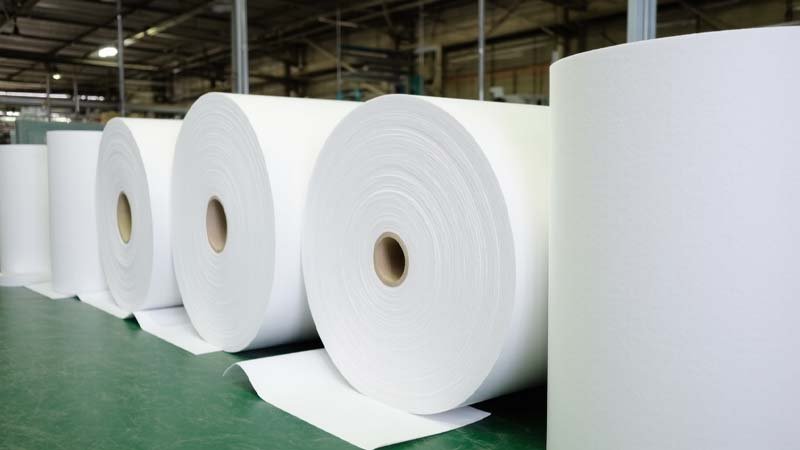
In contrast, polyethylene foam is made by expanding polyethylene, a type of plastic, using heat and gas to create a closed-cell structure. This unique structure makes polyethylene foam highly resistant to water and moisture, while also granting it shock absorption and impact resistance. It’s tough, durable, and resilient, which is why it’s commonly used in applications where protection and impact resistance are a priority.
Unlike polyurethane foam, polyethylene foam doesn’t vary in density quite as much. It remains relatively consistent in its form, making it ideal for applications that demand durability over flexibility. For those in need of reliable protective packaging or flotation devices, polyethylene foam is often the go-to material.
Key Properties Comparison
Flexibility vs. Durability
Polyurethane foam has an edge when it comes to flexibility. Its ability to change density and stiffness makes it an excellent choice for applications where comfort and adaptability are key. For example, in the furniture industry, polyurethane foam provides the softness and cushion needed for seats and mattresses.
Polyethylene foam, on the other hand, leans heavily into durability. It’s not nearly as flexible as polyurethane but is perfect for situations where strength and resilience are necessary. Think of protective packaging for fragile electronics or sports equipment that needs to withstand harsh conditions.
Insulation and Comfort vs. Shock Absorption and Protection
Polyurethane foam shines in applications where thermal insulation and comfort are paramount. It is commonly used in insulation for homes, mattresses, and automotive seats. It not only keeps heat in or out but also adds a layer of comfort that makes a difference in day-to-day living.
On the other hand, polyethylene foam excels in shock absorption and protection. Its closed-cell structure makes it ideal for protecting items from impact during shipping or in rugged sports gear. Its water resistance makes it perfect for outdoor equipment and marine applications where moisture is a constant concern.
Water Resistance and Moisture Absorption
When it comes to handling water, polyethylene foam is the obvious winner. Its closed-cell nature prevents water from being absorbed, making it highly resistant to moisture. This is why it’s often used in flotation devices or marine applications.
Polyurethane foam, while still somewhat resistant to water, does absorb moisture over time, which can compromise its performance. For applications in wet environments, polyethylene foam would be the preferred choice.
Applications and Industries: Where Each Foam Excels

Polyurethane Foam Applications
- Furniture and Bedding: Polyurethane foam is the backbone of comfortable mattresses and pillows, where both softness and durability are critical. It’s also used in cushions for furniture, offering the perfect balance between comfort and support.
- Automotive Interiors: In the automotive world, polyurethane foam is used in seats, headliners, and door panels for both cushioning and insulation. Its adaptability ensures comfort during long drives while also adding to the vehicle’s thermal efficiency.
- Packaging: Polyurethane foam is often used in specialty packaging to protect delicate items. It can be molded into various shapes, offering customized protection for electronics, machinery, and other sensitive goods.
- Acoustic Panels: In soundproofing, polyurethane foam is a champion. It is often used in acoustic panels and foam inserts to dampen noise and improve sound quality in studios, theaters, and other environments.
Polyethylene Foam Applications
- Protective Packaging: Polyethylene foam is the go-to material for protective packaging. Its shock-absorbing properties make it ideal for safeguarding fragile items during shipping, from electronics to glassware.
- Sports Equipment: Whether it’s a helmet, pad, or surfboard, polyethylene foam offers the protection and buoyancy needed in sports equipment, absorbing impacts and withstanding wear and tear.
- Construction: Polyethylene foam is widely used as an insulation material in buildings and construction. It provides both thermal and soundproofing properties, helping to maintain energy efficiency and reduce noise.
- Marine and Flotation Devices: Due to its buoyancy and water resistance, polyethylene foam is commonly found in life jackets, buoyancy aids, and other marine applications.
Environmental Impact and Sustainability
Both foam types face environmental challenges, especially when it comes to recycling.
Recyclability
Polyurethane foam can be tricky to recycle. Its complex chemical structure makes it more difficult to break down, though there are advancements in chemical recycling methods. On the other hand, polyethylene foam is far easier to recycle. It can be re-melted and re-formed, and many recycling facilities accept it.
Sustainability
Sustainability is a growing concern, and both types of foam are evolving to meet this challenge. Polyethylene foam has the upper hand here, thanks to its easy recyclability. Moreover, more manufacturers are working to reduce the environmental footprint of polyurethane foam, with efforts underway to improve its recyclability and reduce harmful emissions during production.
Pros and Cons of Each Foam
Polyurethane Foam Pros
- Excellent insulation and comfort
- Highly versatile (customizable density and firmness)
- Commonly used in consumer products
Polyurethane Foam Cons
- Difficult to recycle in some cases
- More expensive than polyethylene foam
Polyethylene Foam Pros
- Superior shock absorption and protection
- More durable and moisture-resistant
- Easy to recycle
Polyethylene Foam Cons
- Less flexible than polyurethane
- May not provide the same degree of comfort or thermal insulation.
Here’s a detailed comparison table for Polyurethane Foam & Polyethylene Foam
| Aspect | Polyurethane Foam | Polyethylene Foam |
|---|---|---|
| Material Type | Flexible and versatile, made from organic compounds | Closed-cell, thermoplastic foam made from LDPE |
| Density | Typically between 25 to 100 kg/m³, but varies based on the application | Typically between 25 to 300 kg/m³ depending on the type |
| Hardness | Soft to medium hardness; can be modified for specific applications | Firm to medium firmness; often used for higher density applications |
| Compression Strength | Lower compression strength compared to polyethylene | Higher compression strength, making it more durable under pressure |
| Shock Absorption | Good at absorbing shocks and vibrations, especially in softer forms | Excellent shock absorption, particularly in higher-density grades |
| Water Resistance | Can absorb water; not inherently waterproof unless treated | Naturally resistant to water and moisture absorption |
| Chemical Resistance | Moderate resistance to chemicals, susceptible to solvents | Good resistance to many chemicals and oils, especially in higher-density grades |
| Thermal Insulation | Moderate thermal insulation properties | Excellent thermal insulation properties, especially in closed-cell form |
| Durability | Can degrade faster with exposure to UV light and weather conditions | More durable, resistant to UV, weathering, and aging |
| Applications | Cushions, mattresses, packaging, automotive interiors, insulation | Packaging, automotive applications, sports, construction, flotation devices, insulation |
| Cost | Generally less expensive compared to polyethylene | Tends to be more expensive due to higher performance and durability |
| Customization | Can be easily customized for softness, thickness, and shape | Customizable, but harder and less flexible than polyurethane |
| Environmental Impact | Can be made from both petroleum-based and bio-based sources, but not always recyclable | More environmentally friendly, particularly when made from recycled polyethylene |
| Soundproofing Properties | Moderate soundproofing capabilities | Good soundproofing due to its closed-cell structure |
| Moldability | Easier to mold into complex shapes | Less flexible for molding into complex shapes compared to polyurethane |
| Fire Resistance | Can be treated for fire resistance, but may emit toxic fumes when burned | Naturally more fire-resistant and does not release toxic fumes when burned |
Which Foam Is Better for Your Project?
The choice between polyurethane foam and polyethylene foam ultimately depends on your project’s needs.
- If comfort, flexibility, and insulation are top priorities—like for furniture, bedding, or automotive applications—then polyurethane foam is the better choice.
- If you need durability, impact protection, and moisture resistance—as in packaging, sports equipment, or marine gear—then polyethylene foam should be your go-to material.
Conclusion
In the end, both polyurethane and polyethylene foams have distinct advantages depending on their application. While polyurethane foam offers superior comfort and insulation, polyethylene foam provides better durability and moisture resistance. Understanding these key differences will guide you to the foam that best meets your specific needs. Whether you’re designing a new mattress, packaging fragile electronics, or working on a construction project, both foams have the potential to make a significant impact.
At FS Foam, we’re committed to helping you choose the right foam for your project. Reach out to us today for expert guidance and discover the perfect foam solution for your unique needs.
FAQs
What is the main difference between polyurethane foam and polyethylene foam?
Polyurethane foam is flexible, offering comfort and insulation, making it ideal for furniture and automotive applications. In contrast, polyethylene foam is more durable, resistant to moisture, and excels at shock absorption, making it perfect for protective packaging and sports equipment.
Can both foams be recycled?
Yes, both foams can be recycled, but the processes differ. Polyurethane foam is more challenging to recycle due to its complex structure, while polyethylene foam is easier to recycle through melting and re-forming, making it more sustainable for reuse in various applications.
Which foam is better for packaging?
Polyethylene foam is the better choice for packaging, especially when shock absorption and protection from impact are needed. Its closed-cell structure ensures durability, moisture resistance, and excellent cushioning for delicate items, making it ideal for shipping electronics, glassware, and other fragile goods.
Is polyurethane foam better for insulation than polyethylene foam?
Yes, polyurethane foam generally offers superior insulation properties due to its ability to trap air within its structure. It is commonly used in applications where thermal efficiency is essential, such as in-home insulation and automotive interiors, providing both thermal and sound insulation.
Can polyethylene foam be used outdoors?
Absolutely. Polyethylene foam is highly resistant to moisture, UV rays, and temperature fluctuations, making it suitable for outdoor applications. It’s commonly used in marine gear, sports equipment, and even construction projects where it needs to withstand exposure to harsh environmental conditions.