

Introduction
Foam. It’s often taken for granted, sitting in packaging, cushioning electronic components, and keeping sensitive devices safe during transport and storage. But for something so simple, it plays a vital role in protecting our high-tech gadgets. While foam might seem like just a soft, squishy material, its true value shines in environments where static electricity is a constant threat.
Static electricity can be a silent destroyer of electronics. One tiny spark, an unnoticed charge, can fry a microchip or short-circuit a motherboard, rendering expensive equipment useless in the blink of an eye. This is where foam, particularly anti-static and conductive foam, steps in. But which one should you choose? Both types of foam claim to offer protection, but they do so in very different ways. In this article, we’ll explore the key differences between anti-static foam and conductive foam, helping you choose the right one for your needs.
What Is Anti-Static Foam?
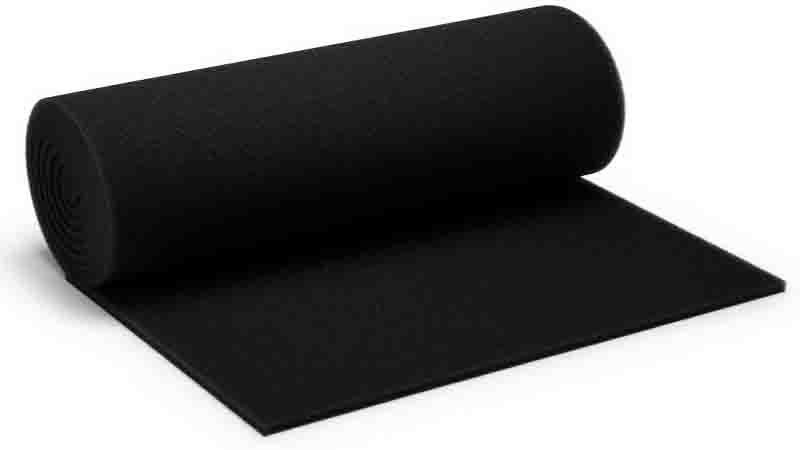
At first glance, anti-static foam seems pretty straightforward. It’s a foam material designed to protect electronic components by preventing the buildup of static electricity. But, there’s more to it than that. Anti-static foam doesn’t exactly “neutralize” static charges; instead, it works to dissipate them gradually over time.
How It Works
Think of it like this: Anti-static foam is a bit like a sponge for static electricity. When an electronic component sits on this foam, the foam slowly diffuses any charges that might have built up on the component’s surface. The foam itself doesn’t conduct electricity but helps to keep the component safe by ensuring that static doesn’t linger long enough to cause harm. In simpler terms, anti-static foam’s primary role is to create an environment where static charges don’t have a chance to build up to dangerous levels.
Applications
Anti-static foam is commonly used in situations where the components involved aren’t necessarily at high risk of electrical shock but still need to be protected from static buildup. Industries like electronics packaging, telecommunications, and computer hardware regularly use anti-static foam to shield delicate devices like circuit boards, processors, and memory chips during storage and shipping. It’s a go-to material for packaging electronic goods and ensuring they arrive at their destination in one piece, free from the invisible damage that static can cause.
What Is Conductive Foam?
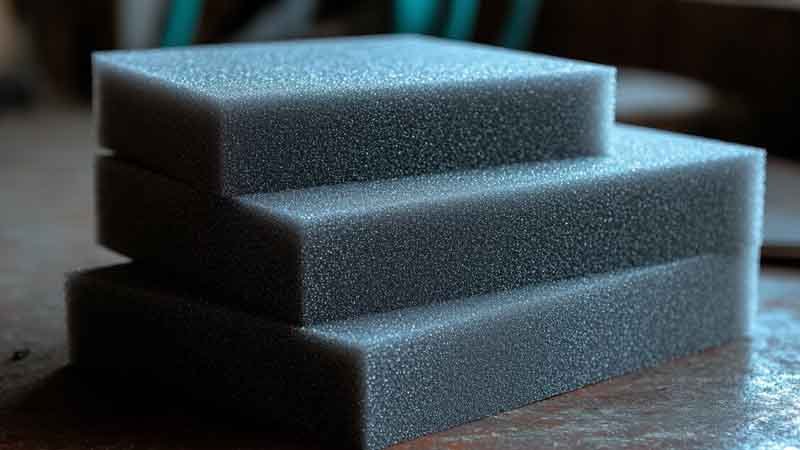
Now, let’s talk about conductive foam. While anti-static foam tries to prevent the buildup of static, conductive foam takes things a step further. Conductive foam doesn’t just dissipate static charges—it actively channels them away. In a way, conductive foam “grounds” your electronics, ensuring any static is safely transferred to the earth or another grounding mechanism.
How It Works
The key difference here is that conductive foam contains materials—usually carbon or metal—that allow it to conduct electricity. When static electricity builds up on the foam’s surface, these conductive particles create a path for the charge to flow directly into the ground, rather than allowing it to accumulate. So, while anti-static foam only limits the buildup of static, conductive foam eliminates it entirely by providing a direct path for discharge.
Applications
Because of its superior protection, conductive foam is often used in environments where electronics are especially sensitive or valuable. This includes industries like aerospace, military, and high-end electronics manufacturing. It’s particularly important for devices that are extremely vulnerable to electrostatic discharge (ESD) or environments where grounding is essential for safe operation. Conductive foam is the foam of choice in clean rooms, server rooms, and for the transport of military-grade electronics, where even the smallest change can be catastrophic.
Key Differences Between Anti-Static and Conductive Foam
When it comes down to it, the choice between anti-static foam and conductive foam hinges on the level of protection you need.
Electrical Conductivity
Here’s the biggest difference: Anti-static foam is resistive—it’s designed to resist the flow of electricity. It doesn’t conduct electricity but allows charges to dissipate over time. Conductive foam, on the other hand, is exactly what it sounds like: conductive. It allows charges to flow, safely redirecting static electricity to the ground.
Protection Level
Anti-static foam is more of a preventative measure. It helps to avoid the accumulation of dangerous static electricity, but it doesn’t actively neutralize any charge that does build up. Conductive foam offers a higher level of protection by providing a direct path for the charge to dissipate into the ground. In high-risk environments, conductive foam is the obvious choice because it offers continuous, real-time protection.
Usage Context
So, how do you decide which one to choose? The context is crucial. If you’re dealing with non-sensitive electronic components, like resistors or simple circuit boards, anti-static foam will likely do the job. It’s perfect for general storage and transportation where the risk of static discharge is low.
But if you’re dealing with highly sensitive devices—think microchips, military electronics, or aerospace components—conductive foam is non-negotiable. These devices need an environment where static electricity is constantly being neutralized, and conductive foam provides that level of protection.
Material Composition
Material differences can also influence your decision. Anti-static foam typically contains additives like carbon black that make it resistive, without conducting electricity. Conductive foam, however, is often made with carbon-loaded or metal-filled materials, which allow it to conduct electricity. The presence of these conductive materials is what gives conductive foam its ability to channel static away, while anti-static foam focuses on dissipating it.
Here’s a detailed comparison between these two kinds of foam:
| Feature | Anti-Static Foam | Conductive Foam |
|---|---|---|
| Electrical Conductivity | Resistive; does not conduct electricity | Conductive; allows static to flow to the ground |
| Protection Level | Prevents static buildup by dissipating charge | Actively channels static to ground, offering higher protection |
| Material Composition | Typically made with anti-static additives (e.g., carbon black) | Made with conductive materials (e.g., carbon or metal additives) |
| Typical Applications | General storage and transportation of electronics | High-risk environments such as military, aerospace, or sensitive electronics |
| Cost | Less expensive | More expensive due to conductive materials |
| Use in Grounded Environment | No grounding required | Requires grounding to work effectively |
| Duration of Effectiveness | Can degrade over time, especially in high humidity | More stable over time, providing continuous protection |
| Ideal Use Case | Storage and transport of non-sensitive components | Protection of highly sensitive components and equipment |
| Examples of Use | Packaging circuit boards, peripherals, and electronic parts | Military electronics, microprocessors, aerospace components |
| Foam Surface Resistance | 10^6 to 10^11 ohms (resistive) | 10^3 to 10^6 ohms (conductive) |
When to Use Anti-Static Foam?
While conductive foam is ideal for highly sensitive devices, there are plenty of situations where anti-static foam is the better option. Anti-static foam is perfect for general-purpose storage and transportation. If you’re storing or shipping components that are not at high risk of static damage, anti-static foam is an excellent and cost-effective choice.
Consider using anti-static foam in the following scenarios:
- Storage and Transportation of Non-Sensitive Components: Think about basic circuit boards, electronic parts, or peripherals that don’t face a high risk of static discharge.
- Assembling Environments with Minimal Risk: Anti-static foam can also be used on assembly lines where electrostatic discharge (ESD) isn’t a big concern.
- General Packaging: If your main goal is to prevent static from building up over time, anti-static foam can keep your components safe during transit without needing to rely on a grounded surface.
When to Use Conductive Foam?
On the other hand, conductive foam should be your go-to material if you’re dealing with components that are highly susceptible to ESD. You simply can’t afford to let static accumulate in high-risk environments or high-precision electronics.
You’ll want to choose conductive foam in the following scenarios:
- Highly Sensitive Electronics: When transporting or storing critical devices like microprocessors, memory chips, or military electronics.
- Aerospace and Military Applications: These industries require rigorous protection against static charges, as even a minor ESD can lead to catastrophic failure.
- Clean Rooms and Controlled Environments: Conductive foam ensures static is always safely discharged in highly regulated environments.
How to Select the Right Foam for Your Needs?

Choosing the right foam boils down to understanding your specific needs and the level of protection required. Here’s a quick decision guide:
Do you need to eliminate static?
- Yes → Choose conductive foam.
- No → Choose anti-static foam.
Are you handling sensitive electronics or components?
- Yes → Go with conductive foam.
- No → Anti-static foam should suffice.
Is your environment controlled, with grounding available?
- Yes → Anti-static foam will be enough.
- No → Conductive foam for extra protection.
Remember: It’s always better to overprotect than underprotect when it comes to high-value or sensitive components.
Conclusion
To wrap up, the choice between anti-static and conductive foam is not just about which one is better—it’s about what you need. Anti-static foam is perfect for general storage and lower-risk applications, keeping static buildup in check. Conductive foam, however, is the real powerhouse, actively grounding static charges and providing the highest level of protection in the most critical situations.
So, before you make your choice, think about the environment, the sensitivity of your electronics, and how much risk you’re willing to take. And if you still do not know which one to choose, we’re always here to help. Contact us at FS Foam for more information on selecting the best foam for your needs.
FAQs
Can I use anti-static foam for all electronic components?
Anti-static foam is suitable for most electronic components, but it’s not ideal for the most sensitive devices. For high-value items like microprocessors or memory chips, conductive foam is recommended to ensure complete protection from electrostatic discharge (ESD), which anti-static foam cannot fully eliminate.
Is conductive foam more expensive than anti-static foam?
Yes, conductive foam tends to be more expensive than anti-static foam. The cost is mainly due to the materials used, such as carbon or metal additives that enable conductivity. While anti-static foam is less costly, it provides a lower level of protection, making it a budget-friendly option.
Can conductive foam be used in a non-grounded environment?
Conductive foam requires grounding to function properly. Without a grounded surface, the foam can’t safely discharge static electricity. In non-grounded environments, using anti-static foam may be a better option, as it prevents static buildup without needing a direct path to the ground.
How long does anti-static foam last?
Anti-static foam can last several years, depending on the environmental conditions. However, its effectiveness can degrade over time, especially in high humidity or extreme temperatures. It’s essential to periodically check foam for any loss in performance, especially when storing sensitive electronic components.
Is there a way to make anti-static foam conductive?
While anti-static foam itself cannot be converted into conductive foam easily, conductive foam products are available that offer higher protection. If you need conductive foam, it’s best to purchase foam designed with conductive materials like carbon or metal. Simply adding conductive particles to anti-static foam won’t work effectively.