What is a Shock Pad for Artificial Grass?
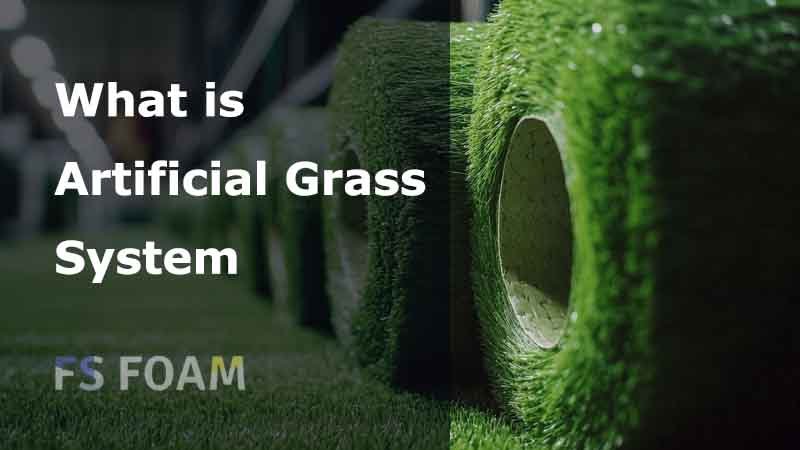
When it comes to creating the perfect artificial grass installation, many people think only about the grass itself—the vibrant, green fibers that mimic nature. But beneath those fibers lies something just as important: the shock pad. A shock pad is an essential underlayer for artificial grass, providing the support needed for safety, comfort, and durability. It acts as a cushion, absorbing impact and ensuring that the surface beneath the grass is solid yet forgiving. Without it, you might find yourself dealing with uneven surfaces or even safety issues.
Shock pads are typically made of materials like foam, rubber, or a combination of both, each serving its unique purpose. But their core function remains the same: to provide that extra layer of protection between the ground and the artificial turf. In doing so, they prevent the turf from sinking or shifting and ensure the overall integrity of the grass installation. Whether for a sports field, a playground, or a backyard lawn, shock pads enhance the overall experience by creating a comfortable, supportive, and safe environment.
Why Choosing the Right Shock Pad Matters?
When we think about artificial grass, it’s easy to focus on the turf itself, but the right shock pad can make all the difference in the world. Choosing the wrong one, however, can lead to a series of issues. For instance, the wrong thickness or density can lead to discomfort, poor performance, or even injuries in high-traffic areas like sports fields or playgrounds.
The right shock pad plays a pivotal role in performance. For sports fields, for example, the shock pad ensures that athletes have the right level of cushioning when they fall or make sudden movements. It helps reduce the risk of injuries by absorbing impact and providing a more forgiving surface. In playgrounds, the importance of a proper shock pad becomes even clearer: it can be the difference between a minor fall and a serious injury.
Not only does the shock pad protect against injury, but it also helps maintain the artificial grass over time. By distributing weight and reducing the strain on the turf, shock pads prevent wear and tear, ensuring your grass stays pristine for years to come.
Additionally, shock pads protect the investment you’ve made in artificial grass. Over time, without a proper underlayer, the turf can begin to shift, wrinkle, or become uneven, leading to costly repairs or replacements. A quality shock pad absorbs the pressure and forces from foot traffic, equipment, and weather conditions, keeping your investment in top shape.
How Many Types of Shock Pads?
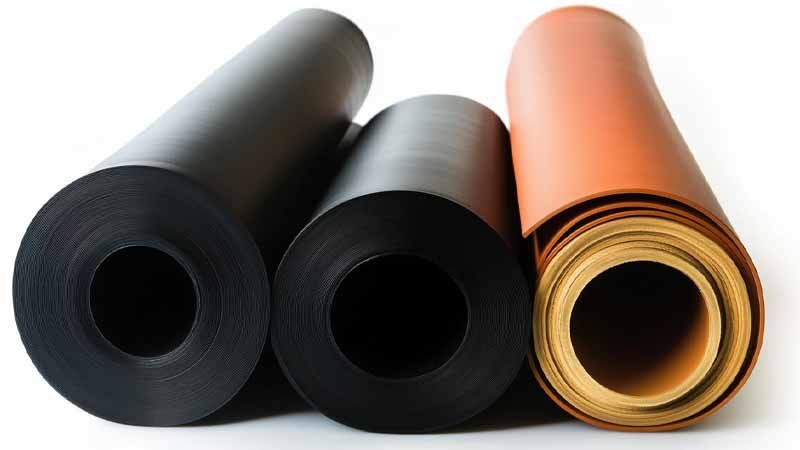
Now that we understand the importance of shock pads, let’s dive into the different types available. There are three primary categories to choose from: foam shock pads, rubber shock pads, and hybrid shock pads. Each comes with its own set of pros and cons, depending on your specific needs.
Foam Shock Pads: Lightweight and Comfortable but Less Durable
Foam shock pads are popular due to their lightweight nature and comfort. XPE foam shock pads offer a good level of cushioning and are often the go-to choice for playgrounds or residential yards where comfort is a priority. However, foam shock pads can be less durable than their rubber counterparts. Over time, they may begin to compress and lose their ability to absorb impact as effectively, especially in high-traffic areas. If you’re looking for something affordable and comfortable but aren’t concerned about longevity, foam shock pads might be the way to go.
Rubber Shock Pads: Durable and Strong but Heavier and More Expensive
Rubber shock pads are the workhorses of the shock pad world. They’re extremely durable, designed to withstand heavy traffic and constant use. Rubber pads are often the preferred choice for sports fields and commercial applications, where the performance and longevity of the pad are critical. However, their durability comes at a price—they tend to be heavier and more expensive than foam options. Additionally, while they offer superior protection against impact, they can sometimes feel firmer, which might not be ideal for play areas where comfort is a priority.
Hybrid Shock Pads: Combining the Best of Both Worlds but May Come at a Higher Price
Hybrid shock pads combine foam and rubber to create a balanced solution. These pads often provide the comfort and lightness of foam with the durability and impact absorption of rubber. While hybrid options offer a good middle ground, they can also be more expensive than either foam or rubber alone. Still, for applications requiring both comfort and performance, hybrid shock pads are often the best choice.
When deciding which type of shock pad is best for your needs, consider the intended use, traffic levels, and budget. For high-performance sports fields, rubber or hybrid pads might be necessary. For residential lawns or low-traffic areas, foam pads might suffice.
Detailed comparison of three types of shock pads
| Type of Shock Pad | Material | Cost | Durability | Ease of Installation | Best For |
|---|---|---|---|---|---|
| Foam Shock Pads | Polyethylene or EVA foam | Low to moderate | Less durable, compresses over time | Easy to handle and install, lightweight | Residential lawns, playgrounds, light-use areas |
| Rubber Shock Pads | Recycled rubber or natural rubber | Moderate to high | Very durable, long-lasting | Heavier, may require more effort to install | Sports fields, high-traffic areas, commercial installations |
| Hybrid Shock Pads | Foam and rubber combination | High | Balanced durability, long-lasting | More complex to install, but provides flexibility | Multi-use applications, sports fields, playgrounds, areas requiring both comfort and durability |
How to Choose the Right Shock Pad for Your Artificial Grass?
Choosing the right shock pad isn’t as simple as picking the first one you see. There are several factors to consider to ensure that your artificial grass installation lasts and performs as expected. Let’s take a closer look at what to keep in mind when selecting a shock pad.
Thickness: How Much Cushioning Is Ideal for Your Use Case?
One of the first factors to consider is the thickness. The right thickness depends on how your artificial grass will be used. For areas with high foot traffic or where sports activities will take place, you may need a thicker shock pad to absorb more impact. On the other hand, if it’s a decorative lawn or a backyard space with light use, a thinner shock pad might be sufficient. In general, the thicker the shock pad, the better the impact absorption, but it will also add to the cost and weight.
Density: Choosing the Right Balance Between Softness and Durability
Density is another critical factor. A higher-density shock pad will offer more durability and long-term performance, but it might sacrifice some of the comfort you’d get from a softer pad. If comfort is the priority, opt for a medium-density pad. For areas like sports fields where performance and durability are key, a high-density pad would be ideal.
Material: Rubber vs. Foam – Which One Works Best for Your Application?
As we discussed earlier, the choice between rubber and foam depends on your needs. Rubber is best for high-traffic and heavy-duty applications, while foam works well in low-traffic, residential, or comfort-focused areas. Understanding the materials and their properties will help you select the right one based on your specific requirements.
Performance Needs: How Does Your Artificial Grass Get Used?
Think about how your artificial grass will be used. For example, if it’s a soccer field, a sports court, or a playground, you’ll need a shock pad that provides the necessary impact resistance and longevity. For a backyard garden or decorative lawn, the pressure placed on the shock pad will be less, and comfort may take priority over performance.
Climate Considerations: Which Shock Pad Material Holds Up Best in Your Region?
Lastly, consider the climate in your area. Extreme weather conditions, such as heavy rain or intense heat, can affect the performance of shock pads. Rubber pads tend to hold up better in various weather conditions, especially when compared to foam, which may degrade faster in wet conditions.
How to Install the Shock Pad?

Here’s a step-by-step guide on how to install a shock pad under artificial grass:
Step 1: Prepare the Area
- Clear the Ground: Begin by removing any existing grass, weeds, or debris from the installation area. Make sure the surface is clean and free from any obstacles.
- Level the Surface: Use a rake or shovel to level the ground. It’s important to ensure a smooth, even surface to prevent bumps or dips once the shock pad and turf are installed.
Step 2: Lay the Base Layer
- Install a Weed Barrier (Optional): If necessary, lay a weed barrier fabric over the surface to prevent future weed growth. This is especially important for outdoor installations where weeds may emerge through the artificial turf.
- Add a Base Layer of Aggregate: Spread a layer of crushed stone, gravel, or sand (about 30mm to 50mm thick) to create a solid foundation. Compact this base layer using a compactor or roller to ensure stability and proper drainage.
Step 3: Roll Out the Shock Pad
- Unroll the Shock Pad: Roll out your shock pad across the area. Be sure the material is aligned properly and lies flat. If using multiple sheets, overlap the edges by about 1-2 inches to ensure seamless coverage.
- Trim to Fit: Use a utility knife or scissors to trim the shock pad to fit the shape of the area, especially around the edges or corners. Make sure the pad completely covers the base layer.
Step 4: Secure the Shock Pad
- Join Multiple Sheets (If Applicable): If you are using multiple pieces of shock pad, connect them using adhesive, double-sided tape, or staples. Make sure the seams are tightly joined to avoid gaps.
- Fix the Edges: Secure the edges of the shock pad to prevent shifting or curling. You can use turf staples, nails, or adhesive to hold the shock pad in place along the perimeter.
Step 5: Install the Artificial Grass
- Roll Out the Artificial Grass: Roll the artificial grass on top of the installed shock pad, ensuring it is laid out evenly and aligned with the edges of your installation area.
- Cut to Fit: Trim the artificial grass to fit the space, leaving a small margin along the edges for further adjustment and secure placement.
- Align Seams: If you’re using multiple rolls of artificial grass, make sure the seams are properly aligned. Use a carpet stretcher or a similar tool to smooth out wrinkles and ensure a taut fit.
Step 6: Secure the Artificial Grass
- Staple or Nail the Turf: Secure the artificial grass to the ground by stapling it along the edges and seams. Be sure to use appropriate staples or nails designed for turf installations. Press down firmly to ensure the grass stays in place.
- Apply Turf Adhesive (If Needed): For added security, especially in seams or high-traffic areas, apply turf adhesive along the edges of the turf or where the seams meet. This helps to prevent any movement over time.
Step 7: Add Infill (If Required)
- Apply Infill: Depending on the type of artificial grass you’re using, you may need to apply infill material such as sand or rubber granules to help stabilize the turf and provide extra cushioning.
- Brush the Turf: Use a power broom or stiff-bristled brush to spread the infill evenly across the artificial grass. This will help to keep the fibers upright and provide a natural look and feel.
Step 8: Final Adjustments
- Check for Evenness: Ensure the shock pad and turf are properly aligned and that there are no gaps or uneven areas. Smooth out any wrinkles and ensure the surface is uniform.
- Inspect for Stability: Walk on the surface to test the stability of the installation. If any areas feel loose or uneven, re-secure them as necessary.
Step 9: Perform Routine Maintenance
- Monitor the Installation: After installation, keep an eye on the artificial grass and shock pad. Regularly inspect for wear or shifting, especially in high-traffic areas. Performing periodic maintenance will help extend the lifespan of your installation.
Tools and Materials Needed for Installation:
- Shock pads (foam, rubber, or hybrid)
- Artificial grass rolls
- Weed barrier (optional)
- Crushed stone, gravel, or sand
- Rake and shovel
- Utility knife or scissors
- Turf staples, nails, or adhesive
- Power broom or stiff-bristled brush (for infill)
- Compactor or roller (for leveling the base layer)
- Measuring tape
Tips for Ensuring Even Coverage and Proper Alignment
Be sure that the shock pad covers the entire area evenly. Uneven coverage can lead to uneven cushioning, which might cause the turf to shift or wear down prematurely. Alignment is also crucial—misaligned shock pads can create bumps under the grass, affecting both the aesthetic and functional qualities of your installation.
What Mistakes You Should Avoid When Installing a Shock Pad?

The biggest mistake to avoid is incorrect thickness selection. A pad that’s too thin will provide insufficient impact absorption, while one that’s too thick may feel overly soft and lead to instability. Ensuring proper alignment and accounting for drainage is also essential to avoid uneven wear or water pooling.
How to Maintain the Shock Pad?
To extend the lifespan of your shock pad, perform routine inspections. Look for signs of compression or wear, especially in high-traffic areas. Cleaning your shock pad is simple—just use a brush or broom to remove debris and dirt. Over time, if the shock pad begins to lose its effectiveness, it may be time for a replacement.
Conclusion
Choosing the right shock pad for your artificial grass installation is crucial for ensuring long-term safety, comfort, and durability. By considering factors like material, thickness, and climate, and taking care during installation and maintenance, you can create an optimal artificial grass environment.
FAQs
How Long Do Shock Pads Last Under Artificial Grass?
Shock pads can last between 5 to 10 years, depending on the material, usage, and environmental factors. Rubber shock pads tend to have a longer lifespan due to their durability, while foam pads may degrade faster, especially in high-traffic or extreme weather conditions.
Can You Use a Shock Pad Without Installing Artificial Grass?
While shock pads are specifically designed to support artificial grass installations, they can be used in other applications that require cushioning or impact absorption, such as playgrounds, sports fields, or under other surfaces. However, for optimal performance, they are best when paired with artificial turf.
Are Rubber Shock Pads Better Than Foam Shock Pads?
Rubber shock pads are generally more durable and provide better long-term performance, especially for high-traffic areas or sports fields. They offer superior impact resistance but can be heavier and more expensive. Foam pads, on the other hand, are lighter and more affordable but may not last as long.
What Happens if the Shock Pad Is Installed Incorrectly?
Improper installation of a shock pad can lead to several issues, including uneven turf surfaces, premature wear, and discomfort. Misalignment or incorrect thickness can result in poor impact absorption, leading to increased injury risk or a less stable artificial grass installation.
How Do Shock Pads Affect the Performance of Artificial Grass for Sports?
Shock pads improve safety and playability by reducing the risk of injury from falls and providing consistent cushioning. They enhance performance by stabilizing the artificial turf, ensuring athletes have a comfortable, safe, and high-quality playing surface, especially in sports fields with heavy use.