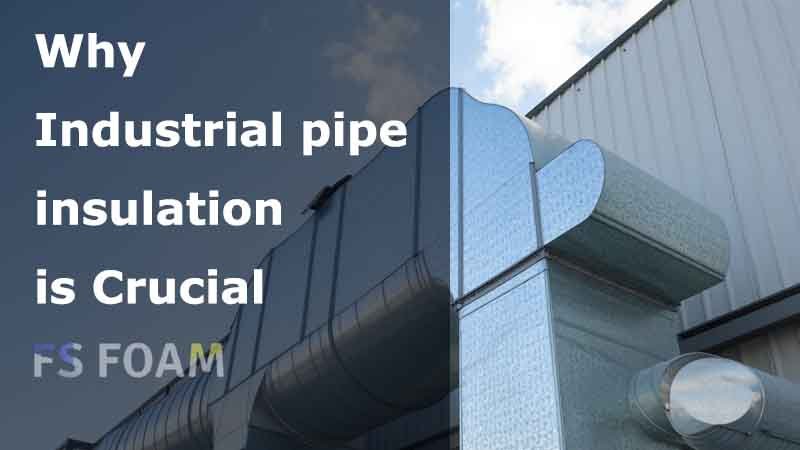
In today’s industrial landscape, where energy efficiency, safety, and sustainability are at the forefront of operational priorities, industrial pipe insulation plays an indispensable role. Whether we are in the bustling corridors of oil and gas refineries, the high-pressure environments of chemical manufacturing plants, or the precise environments in food and beverage production, industrial pipes are the backbone of many critical processes. These pipes are responsible for transporting fluids, gases, and chemicals that fuel the engine of industry. But as essential as they are, pipes can become significant sources of heat loss, noise, and safety hazards without proper insulation.
We know that industrial pipe insulation is more than just a protective layer; it’s a strategic investment that can enhance energy efficiency, improve workplace safety, and contribute to the sustainability goals of industries. In this article, we’ll dive deep into the importance of industrial pipe insulation, explore the types of materials used, and provide guidance on how to choose the right insulation solution for your operation.
What is Industrial Pipe Insulation?
Industrial pipe insulation refers to the materials used to cover the pipes that transport fluids or gases in various industrial settings. These materials help regulate temperature, control noise and protect both workers and equipment from the potentially hazardous effects of extreme temperatures. But it’s more than just a protective covering—it’s a critical element in maintaining process efficiency and safety in the workplace.
What Are the common materials used for industrial pipe insulation?
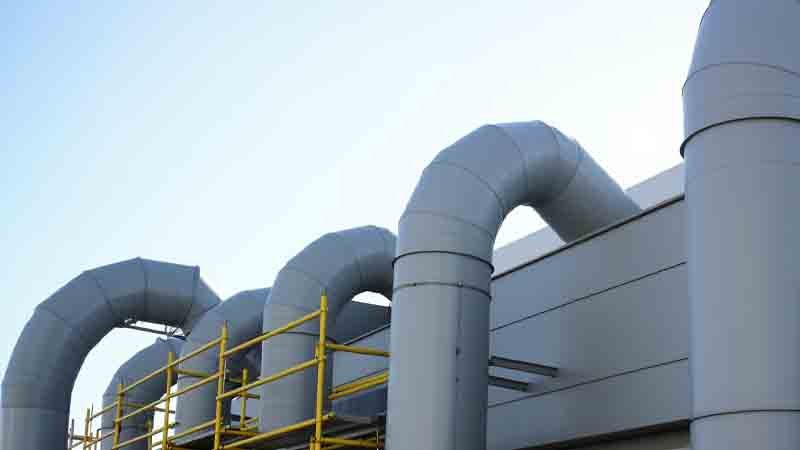
The materials used for industrial pipe insulation vary based on the application, temperature requirements, and environmental factors. Commonly used insulation materials include:
Fiberglass
Known for its high thermal resistance, fiberglass insulation is often the go-to solution for moderate temperature ranges and applications where cost-effectiveness is a priority.
Mineral Wool
With excellent heat resistance, mineral wool is ideal for high-temperature environments, such as power generation or petrochemical plants. It also provides soundproofing, making it a dual-purpose solution.
Foam Insulation (e.g. XPE foam)
These closed-cell foam materials are lightweight, moisture-resistant, and provide great thermal efficiency. They are commonly used in environments where condensation and moisture control are critical.
The primary functions of industrial pipe insulation are thermal control, soundproofing, and safety protection. These materials keep the temperature of the fluids or gases inside the pipes stable, prevent heat loss, and protect workers from exposure to hot or cold pipes.
Why Industrial Pipe Insulation is Important?
The benefits of industrial pipe insulation extend beyond just keeping things warm (or cool) within the pipes. Here are the key reasons why pipe insulation is an absolute necessity in industrial settings:
Energy Efficiency
The first and perhaps most obvious reason industrial pipe insulation is so crucial is energy efficiency. When pipes, especially those carrying hot liquids or gases, are not properly insulated, they lose heat to the surrounding environment. This heat loss requires additional energy to maintain the desired temperature of the fluids inside the pipes. By insulating these pipes, heat is retained, reducing the need for supplementary heating and cooling.
This not only leads to significant cost savings but also minimizes energy consumption, which directly contributes to a reduction in CO2 emissions. The insulation helps industries meet energy efficiency regulations, making it a win-win for both financial and environmental concerns.
Process Stability
In many industries, precise temperature control is essential for maintaining the integrity of the process. For instance, in the chemical manufacturing industry, fluctuating temperatures in pipes could cause reactions to go awry or even cause hazardous situations. Proper insulation ensures that fluid temperatures remain stable, preventing issues like condensation, freezing, or overheating, all of which could disrupt production processes.
A stable temperature also means that the quality of the end products remains consistent, helping companies meet stringent industry standards and customer expectations.
Safety
Let’s face it: industrial environments can be dangerous, and exposure to hot or cold pipes is just one of the many risks that workers face. Without insulation, pipes carrying high-temperature fluids or gases present a significant safety hazard. Workers may suffer from severe burns, or pipes may cause cold-related injuries in freezing conditions. By insulating pipes, we protect employees from these risks and ensure a safer working environment.
Moreover, insulated pipes also help prevent the formation of dangerous condensation, which could lead to slippery surfaces and accidents in high-traffic areas.
Environmental Impact
Energy efficiency isn’t just about saving money—it’s also about minimizing environmental harm. Industries are under increasing pressure to reduce their carbon footprint, and industrial pipe insulation plays a critical role in this. By lowering energy consumption and minimizing heat loss, insulated pipes help industries reduce their overall CO2 emissions. As environmental regulations tighten, industries with proper insulation systems are in a better position to comply and contribute to sustainability goals.
Noise Reduction
In many industrial settings, noise can be more than just a nuisance—it can create a safety risk. In large plants, pipes often carry fluids or gases under high pressure, which can generate loud noises and vibrations. Without insulation, these sounds can travel through the piping system and affect the entire facility.
With proper pipe insulation, soundproofing is achieved, significantly reducing noise levels and improving the overall acoustic environment. This can have profound effects on workplace safety, as lower noise levels make communication easier and help reduce the likelihood of accidents.
Cost Savings
While the initial investment in industrial pipe insulation may seem substantial, the long-term cost savings are undeniable. By improving energy efficiency, reducing heat loss, and preventing damage, pipe insulation leads to a rapid return on investment. Insulating pipes reduces the need for constant maintenance and repairs and lowers the costs associated with energy consumption. It also extends the lifespan of the pipes and equipment by preventing issues like condensation and corrosion.
How to Choose the Right Industrial Pipe Insulation Material?
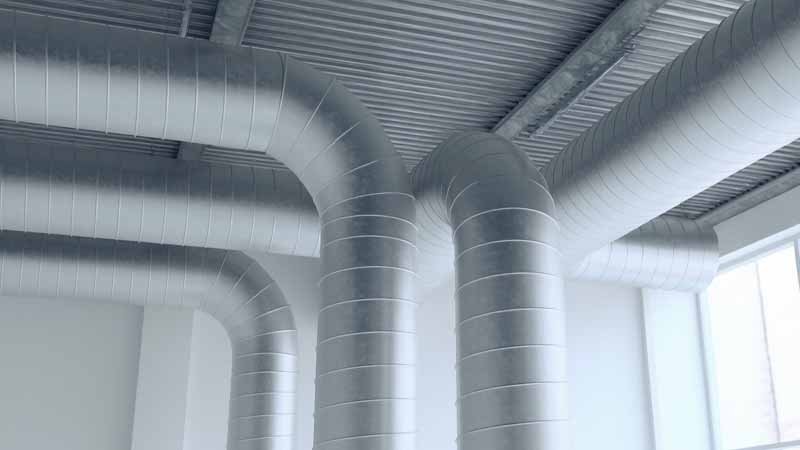
Choosing the right insulation material for industrial pipes depends on various factors, including the application, temperature range, and environmental conditions. Here’s what to consider:
Temperature Range
The temperature of the fluids or gases being transported dictates the insulation material you choose. For instance, fiberglass is great for moderate temperatures, while mineral wool excels in high-temperature environments (up to 1200°C). If you need to insulate pipes exposed to freezing conditions, foam insulation materials like XPE foam are ideal, as they offer excellent moisture resistance and thermal control.
Pipe Size and Configuration
The size of the pipe and its configuration (straight, curved, or with multiple fittings) will influence your choice of insulation material. For small-diameter pipes, pre-formed insulation sections are often the best choice, while flexible blankets or wired mats are better suited for large-diameter pipes or complex pipe layouts.
Material Compatibility and Durability
Not all insulation materials are suitable for all types of pipes. Metal pipes like steel and copper may require more durable, fire-resistant insulation, while plastic pipes may only need lightweight, cost-effective materials. Also, you should consider the longevity of the material—some materials may degrade faster when exposed to moisture, UV light, or harsh chemicals.
Moisture Resistance
In environments where pipes are exposed to high humidity or frequent contact with water, selecting a moisture-resistant material is crucial. Closed-cell foam insulations, like XPE or polyethylene, offer excellent moisture resistance, which is key to ensuring that your insulation performs well over time.
How to Install Industrial Pipe Insulation?
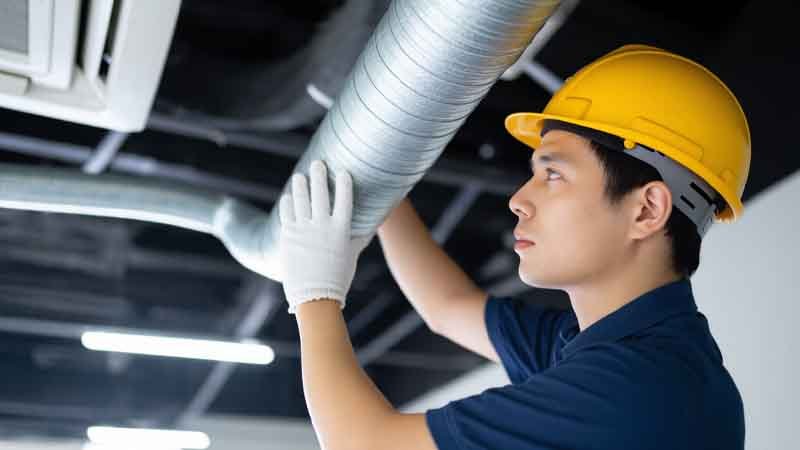
Proper installation of pipe insulation is just as important as choosing the right material. Here’s how to do it right:
1. Preparation
Before installing insulation, ensure the pipes are clean and free from any debris, grease, or moisture. Clean pipes ensure better adhesion of insulation materials and prevent future issues like mold growth or deterioration.
2. Methods
- Small-Diameter Pipes: For smaller pipes, pre-formed insulation sections can be easily wrapped around the pipe, making installation quick and efficient.
- Large-Diameter Pipes: For larger pipes, flexible insulation blankets or wired mats are recommended. These can be wrapped around the pipes, secured with tape or wire, and tailored to fit the pipe’s configuration.
3. Installation Tips
- Always ensure that the insulation is tight-fitting to prevent gaps, which can lead to heat loss.
- Be mindful of fittings, valves, and other pipe accessories, ensuring they are fully insulated.
- Use proper fastening tools (adhesive, straps, or clips) to secure the insulation.
What Mistakes Should Be Avoid When Installing Industrial Pipe Insulation?
1. Improper Sizing
The insulation must match the size of the pipe. Too thin, and the insulation won’t be effective. Too thick, and it may be cumbersome and hard to install.
2. Ignoring Moisture Control
If your insulation material isn’t moisture-resistant, it can degrade over time. Always choose materials that are appropriate for the specific environmental conditions.
3. Skipping Professional Installation
Improper installation can lead to gaps, poor performance, and safety hazards. It’s best to hire professionals who understand the complexities of pipe insulation.
4. Inadequate Maintenance
Over time, pipe insulation can degrade, especially if exposed to extreme temperatures or moisture. Regular inspections are necessary to ensure the insulation is still performing effectively.
Conclusion
Industrial pipe insulation isn’t just about keeping pipes warm or cool. It’s about ensuring energy efficiency, maintaining process stability, and creating a safe, sustainable working environment. When done correctly, insulation pays for itself in terms of energy savings, improved safety, and enhanced process reliability.
FAQs
What is the most energy-efficient pipe insulation material?
The most energy-efficient materials include fiberglass, foam rubber, and cross-linked polyethylene (XPE). These materials reduce heat loss and prevent condensation. XPE, for instance, offers excellent thermal resistance and is durable, making it a great choice for both cold and hot applications, minimizing energy costs effectively.
How long does industrial pipe insulation last?
Industrial pipe insulation can last between 10 to 40 years, depending on the material and environmental conditions. Fiberglass typically lasts 10-15 years, while more durable options like XPE foam may last up to 40 years. Factors such as moisture exposure, temperature fluctuations, and physical damage influence lifespan.
Can pipe insulation be applied to any type of pipe?
Yes, pipe insulation can be applied to a variety of pipe materials, including steel, copper, and PVC. Insulation types like fiberglass, foam, and elastomeric rubber are commonly used, but it’s important to choose an insulation material that is compatible with the pipe’s size, material, and temperature requirements.
Is industrial pipe insulation necessary in all climates?
Industrial pipe insulation is particularly necessary in extreme climates, whether hot or cold. In colder climates, it prevents freezing, while in hotter climates, it reduces heat transfer. For moderate climates, insulation might not be as critical, but it can still improve energy efficiency and protect pipes from environmental stress.
How do I know if my pipe insulation needs replacement?
Signs that pipe insulation needs replacement include visible damage, such as cracks or tears, as well as moisture buildup around the pipes. If energy efficiency drops, or pipes are frequently exposed to condensation or freezing, it’s a sign that the insulation is no longer effective and should be replaced.