Introduction
You’ve probably noticed that you need to run the water for a bit before hot water starts flowing. That’s because the hot water from the tank is warming up the pipe as it travels to you. By insulating the pipes, the water stays hotter longer, so you get hot water faster and use less of it. This means your water heater has less water to heat, which in turn saves energy.
The same applies when you shower. You typically mix hot and cold water to find the right temperature. If the hot water is hotter to begin with, you’ll need less cold water, which reduces the amount of water your heater has to heat up, saving even more energy.
While the energy savings may not be huge, they can add up over time. Whether it’s enough to offset the cost of insulation depends on factors like your household’s water usage and how long the pipes are.
Why Insulate Your Hot Water Pipes?
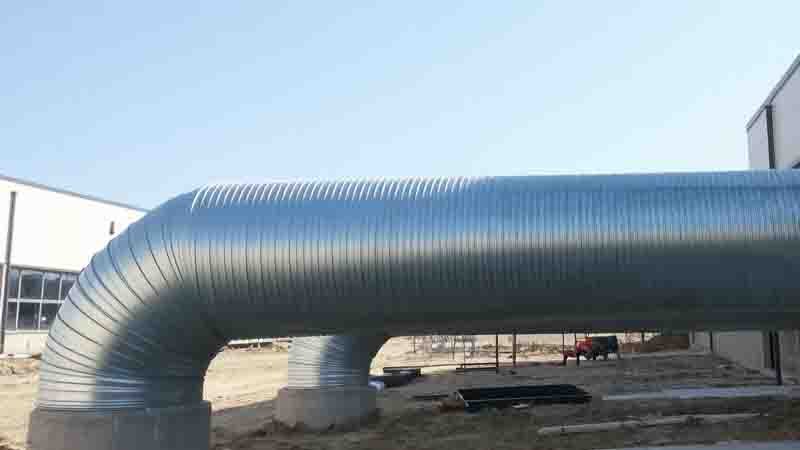
We all know how frustrating it is to turn on the hot water tap and wait for what seems like an eternity before the water gets warm. And during that wait, water is running, wasted. The reason for this delay? It’s the heat loss in the pipes as hot water travels from the tank to the faucet or showerhead. Insulating hot water pipes eliminates this waste, leading to immediate and tangible benefits.
Reduced Heat Loss
The most obvious benefit of insulating your hot water pipes is reducing heat loss. Without insulation, hot water loses heat as it travels through the pipes. By wrapping the pipes in insulating material, you create a barrier that helps the water maintain its temperature. This means that when you turn on the faucet or shower, the water is hot right away, cutting down on waiting time and water wastage.
Faster Access to Hot Water
We’ve all experienced the inconvenience of waiting for hot water, especially in larger homes where pipes run long distances. Pipe insulation helps reduce the time it takes for hot water to reach you. That means no more standing around waiting for the shower to warm up or watching the water run down the drain while the system heats up.
Energy and Water Conservation
Insulating your pipes not only saves you energy but also helps conserve water. The less you have to wait for hot water, the less water you waste running the tap. Moreover, by keeping the water hot, the need for reheating is minimized, which reduces energy consumption.
Prevention of Pipe Freezing
For those in colder climates, uninsulated pipes can freeze during extreme weather, leading to costly repairs. Pipe insulation helps prevent this issue by maintaining the water temperature, and keeping the pipes from freezing in freezing temperatures.
What’s the Best Way to Insulate Hot Water Pipes?
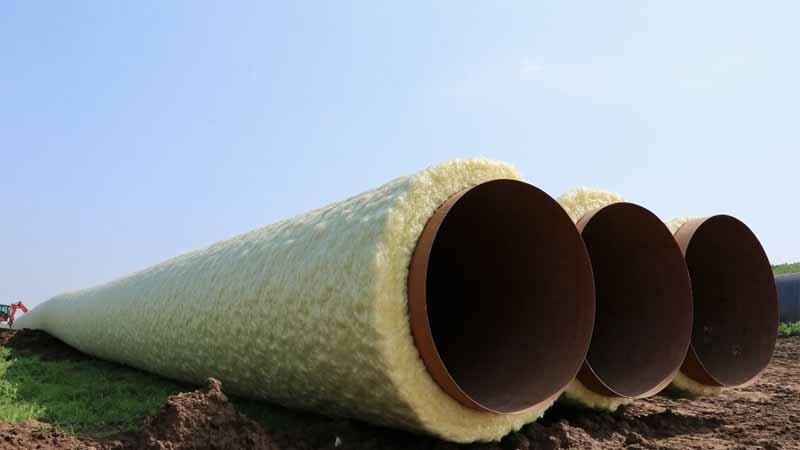
When it comes to choosing the right method to insulate hot water pipes, there isn’t a one-size-fits-all solution. There are several options available, and the best choice depends on factors such as the type of pipe, its location, and your budget.
Pipe Sleeves
Pipe sleeves are one of the easiest and most common methods. They’re typically made of foam or fiberglass and slide directly over the pipe, forming an insulating layer. Pipe sleeves are relatively simple to install and can be a great DIY project for homeowners.
Foam Wraps
Foam wraps are flexible insulation materials that you can wrap around the pipe. They’re typically made from XPE (cross-linked polyethylene) foam or similar materials and offer excellent heat retention. These wraps are particularly useful for pipes in tight spaces or those that have an irregular shape.
Fiberglass Wraps
Fiberglass wraps are a bit more labor-intensive but offer superior heat resistance. They are often used in industrial applications or areas where extreme temperatures are a concern. The downside is that they can be trickier to install and may require additional protective gear.
Foam vs. Fiberglass Pipe Insulation: Which is Better?
Now, let’s dive deeper into the two most common types of pipe insulation: foam (specifically XPE foam) and fiberglass. Both materials have distinct advantages and disadvantages, so it’s important to understand what each offers before making a decision.
Foam Insulation (XPE Foam)
Advantages:
- Easier Installation: Foam insulation is much easier to work with than fiberglass. It can be easily cut to the correct length, and pipe sleeves simply slip over the pipe.
- Flexibility: Foam insulation is more flexible than fiberglass, which makes it ideal for irregularly shaped pipes or areas that are difficult to reach.
- Effective Heat Retention: Foam does a great job of keeping heat in, ensuring hot water stays hotter longer.
Disadvantages:
- Degradation: Over time, foam insulation can degrade if exposed to UV rays or certain chemicals. However, if used indoors or in areas not exposed to direct sunlight, this is usually not a major concern.
Fiberglass Insulation
Advantages:
- High Heat Resistance: Fiberglass is particularly effective at withstanding extreme temperatures, making it ideal for use in high-heat environments.
- Durable: Fiberglass lasts longer than foam in many cases and is highly resistant to wear and tear.
Disadvantages:
- Difficult to Install: Fiberglass insulation can be tricky to work with. It often requires protective gear to avoid skin irritation, and it can be more time-consuming to install properly.
- Less Flexible: Fiberglass doesn’t have the same flexibility as foam, making it harder to apply around pipes in tight or awkward spaces.
Here’s a comparison of foam and fiberglass pipe insulation:
| Feature | Foam Insulation (XPE) | Fiberglass Insulation |
|---|---|---|
| Ease of Installation | Easy to install, flexible | Harder to install, requires protective gear |
| Heat Retention | Excellent | Very good, but less effective than foam in some cases |
| Durability | Moderate (degrades over time with UV exposure) | Very durable, lasts longer |
| Cost | More affordable | Typically more expensive |
| Best For | Residential applications | Extreme temperature conditions, industrial settings |
How to Choose the Right Foam Pipe Insulation?
When choosing foam pipe insulation, there are a few key factors to consider:
Density
The density of foam insulation plays a crucial role in its performance. For XPE foam, a density of 25-28kg/m3 is ideal for thermal insulation, offering both durability and effective heat retention. A higher density means better performance in extreme conditions.
Thickness
The thickness of the insulation determines how well it can reduce heat loss. In general, the thicker the insulation, the better the thermal performance. For XPE foam, the most common thickness ranges from 10mm to 25mm, depending on the climate. Thicker insulation is generally recommended for colder climates or longer pipe runs, where heat loss is more significant.
Aluminum Foil
Some foam insulation products come with a layer of aluminum foil, which offers additional benefits. The foil acts as a vapor barrier, which can be useful in humid environments or when insulating pipes in areas prone to condensation. It also makes the insulation easier to clean and maintain.
How to Insulate Hot Water Pipes for Maximum Energy Savings?
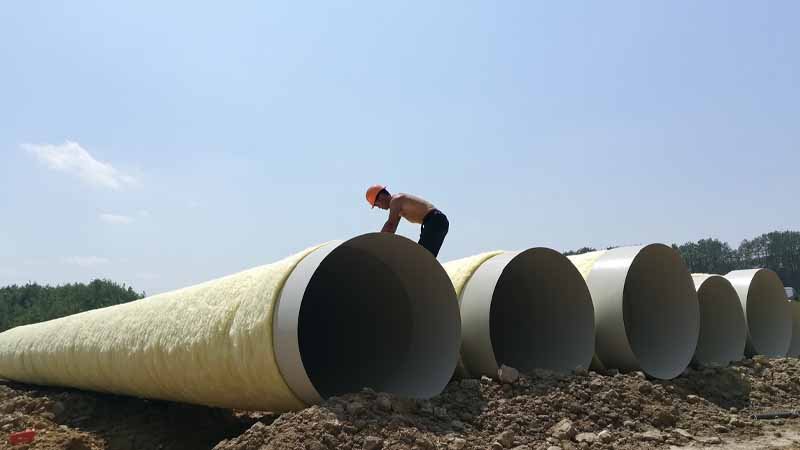
Here’s a simple, step-by-step guide to insulating your hot water pipes for maximum energy savings:
Step 1: Measure Your Pipes
Start by measuring the length of the pipes you want to insulate. Don’t forget to account for bends and angles.
Step 2: Choose the Right Insulation Material
Based on your measurements and the climate, select the appropriate insulation material. Foam is typically sufficient for most residential applications.
Step 3: Cut and Fit the Insulation
Cut the insulation to the correct length, ensuring it fits snugly over the pipes. For foam insulation, make sure the seams are aligned correctly.
Step 4: Secure the Insulation in Place
Use tape, cable ties, or wire to secure the insulation around the pipes. Make sure the insulation is firmly in place to prevent it from slipping.
Step 5: Inspect Your Work
Check your work to ensure there are no gaps in the insulation. If there are any areas where the insulation isn’t properly secured, reapply or add more.
What Mistakes Should You Avoid When Insulating Hot Water Pipes?
While insulating your pipes can be a rewarding DIY project, there are a few common mistakes to avoid:
- Overlapping Seams: This can create gaps where heat escapes.
- Over-Insulating: Applying too thick of an insulation layer can lead to overheating in certain areas.
- Not Securing the Insulation Properly: Loose insulation will reduce its effectiveness.
- Ignoring Pipe Material: Not all insulation materials are suitable for every type of pipe.
- Improper Insulation Near Heat Sources: Be cautious of pipes near the water heater’s flue, where special insulation is required.
Conclusion
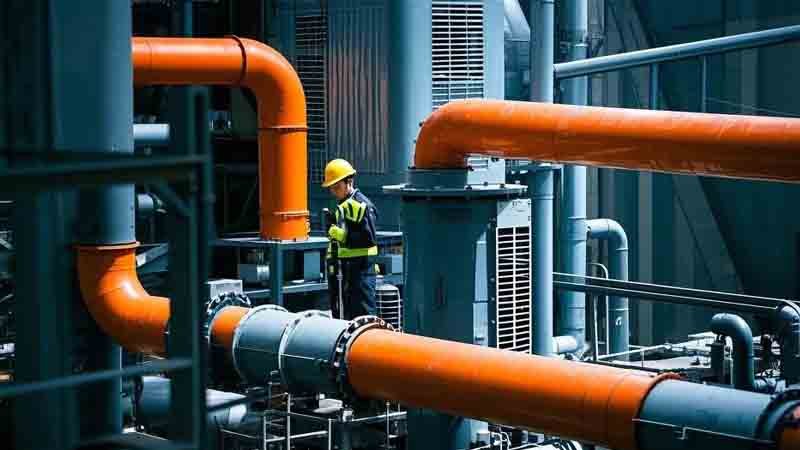
Proper pipe insulation is essential not only for maintaining the efficiency of your heating and cooling systems but also for ensuring energy savings over time. Insulating your pipes helps prevent heat loss in cold environments and protects against freezing, while also keeping hot water warm and reducing energy consumption. The right materials, whether it’s cross-linked PE foam or other suitable options, make a significant impact on the performance of your insulation.
When choosing the right material, it’s crucial to consider factors such as thermal conductivity, durability, and ease of installation. Additionally, the effectiveness of insulation depends on proper installation, so make sure to follow guidelines carefully for maximum benefit.
Ready to get started? Insulating your pipes can save you money on your energy bills, reduce maintenance costs, and contribute to a more sustainable home or business. Don’t wait—begin your insulation project today and take control of your energy efficiency!
FAQs
How much can I save by insulating my hot water pipes?
Insulating hot water pipes can reduce energy consumption by up to 10-15%. By preventing heat loss, your water heater doesn’t have to work as hard, which can result in lower energy bills. The savings also extend to faster hot water delivery, saving both time and water.
Can I insulate all types of pipes?
Yes, most pipe materials, including PVC, copper, and PEX, can be insulated. Foam, fiberglass, and rubber sleeves are ideal for various types. For copper pipes, foam or rubber insulation works best, while PVC pipes benefit from flexible foam insulation for easy application.
How long does pipe insulation last?
Foam pipe insulation typically lasts 10-15 years, depending on the material and environmental conditions. Fiberglass insulation may last even longer if properly maintained. Insulation can degrade over time due to moisture, UV exposure, or physical damage, so it’s important to periodically check for wear.
Do I need to insulate both hot and cold water pipes?
Yes, insulating both hot and cold pipes is beneficial for energy efficiency. Insulating hot water pipes reduces heat loss while insulating cold water pipes helps prevent condensation, reducing the risk of mold or mildew. It also ensures more consistent temperatures and lowers overall energy costs.
Is DIY pipe insulation difficult?
DIY pipe insulation is relatively easy, especially for flexible foam or fiberglass sleeves. Simply measure the pipes, cut the insulation to size, and apply it. For complex areas or if you’re unsure, hiring a professional can ensure a more efficient installation and avoid mistakes.