
When it comes to installing hardwood or laminate flooring, we often think about the aesthetic appeal, durability, and texture of the floor itself. Yet, there’s one crucial element that can make all the difference to the long-term performance, comfort, and stability of the flooring: the underlayment. Choosing the right underlayment isn’t just about convenience or cost—it’s a vital step that enhances the floor’s functionality, increases its lifespan, and ensures a smooth installation process.
Underlayment isn’t visible once the flooring is in place, but it plays an essential role that shouldn’t be overlooked. It serves as a protective layer between the subfloor and the finished flooring, offering moisture control, sound insulation, and support for the floor above. When it comes to hardwood and laminate floors, selecting the best underlayment becomes even more critical. After all, you want your floors to not only look beautiful but to also stand the test of time.
Among the many options available, IXPE foam stands out as one of the best underlayment materials for both hardwood and laminate floors. But what exactly makes it so ideal? Let’s dive in.
What is Hardwood Flooring?
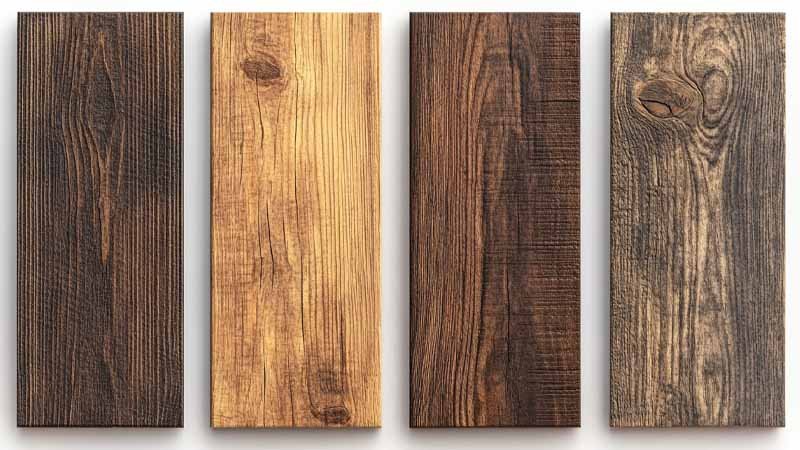
Hardwood flooring has long been a popular choice in homes and commercial spaces, prized for its natural beauty, longevity, and versatility. Made from solid wood, hardwood floors bring a timeless elegance to any room. Whether it’s oak, maple, cherry, or walnut, each species offers a unique grain and color that can complement virtually any interior design style.
In addition to its visual appeal, hardwood flooring is known for its durability. When properly cared for, it can last for decades, adding both aesthetic value and increasing the resale value of your home. It’s also easy to clean and maintain, making it a practical choice for high-traffic areas.
However, hardwood floors are sensitive to environmental factors like humidity and temperature changes. That’s where the right underlayment comes in—it acts as a buffer to help stabilize the floor, reduce moisture, and add an extra layer of comfort underfoot.
How Many Types of Hardwood Flooring?
There are two main types of hardwood flooring: solid hardwood and engineered hardwood.
- Solid Hardwood: This is the traditional, single piece of wood that’s milled from a tree. It’s 100% wood throughout, offering a solid, sturdy feel underfoot. Solid hardwood is ideal for homes with consistent temperature and humidity levels.
- Engineered Hardwood: Unlike solid hardwood, engineered hardwood is made up of multiple layers of wood veneer, topped with a hardwood layer. This construction method makes engineered hardwood more stable and less susceptible to warping due to humidity or temperature fluctuations. It’s often the preferred choice in basements or areas with varying moisture levels.
Both types benefit from a high-quality underlayment, but the needs for each can differ slightly. For example, engineered hardwood may require additional moisture protection, which can be provided by a specialized underlayment.
What is Laminate Flooring?
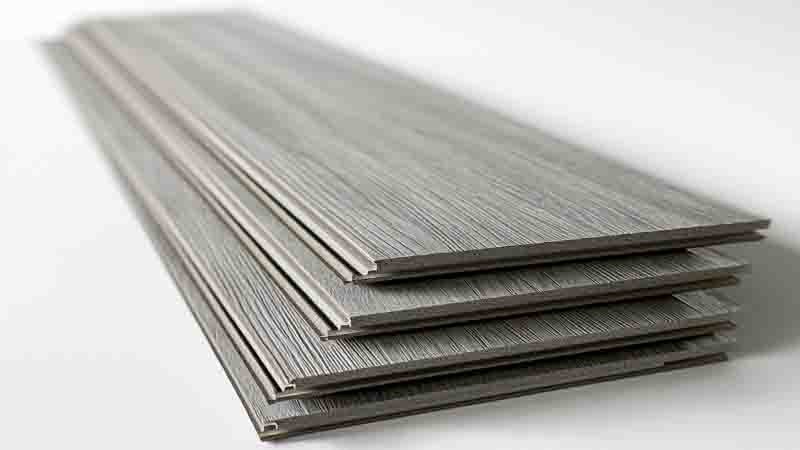
Laminate flooring is another popular option for homeowners who want the look of wood without the higher price tag. Unlike hardwood, laminate consists of a photographic layer (often mimicking wood) bonded to a composite core. This makes it more affordable, durable, and resistant to scratching and wear.
While laminate floors are known for being incredibly resilient and easy to maintain, they can sometimes feel less natural underfoot than hardwood. This is why the right underlayment is particularly crucial for laminate flooring. Without it, laminate floors may feel hollow or noisy, detracting from their comfort and acoustic performance.
How Many Types of Laminate Flooring?
Just as with hardwood, laminate flooring comes in different types, each catering to specific needs. These include:
- Standard Laminate: This is the most basic form of laminate, ideal for dry areas with moderate foot traffic. While it’s durable, it doesn’t offer the same moisture resistance as other types.
- High-Pressure Laminate (HPL): This type of laminate is made by fusing multiple layers of resin-treated paper under high pressure. It’s known for being extremely durable and scratch-resistant, making it a great choice for high-traffic areas.
- Waterproof Laminate: A relatively new offering, waterproof laminate features a sealed core that prevents moisture from seeping in. This type is perfect for bathrooms, kitchens, or basements where high humidity might otherwise affect the floor’s integrity.
Depending on the laminate you choose, the underlayment may need to offer additional moisture resistance or soundproofing. The right underlayment, especially when paired with waterproof laminate, can prevent warping and extend the lifespan of the floor.
What is Flooring Underlayment?
So, what exactly is flooring underlayment? In its simplest form, underlayment is a thin, supportive layer that lies between your subfloor and your finished flooring. It serves a variety of purposes, such as cushioning the floor, dampening noise, and providing thermal insulation. For hardwood and laminate floors, underlayment can also enhance the stability of the flooring, reduce the risk of squeaking, and offer moisture protection.
Underlayment material can vary—commonly used materials include foam, cork, rubber, felt, and felt/fiber blends. Each material offers its own set of benefits and may be better suited for specific types of flooring or environments. However, not all underlayments are created equal, and choosing the wrong one can result in premature floor damage or compromised performance.
Why is Flooring Underlayment Important for Hardwood and Laminate Flooring?
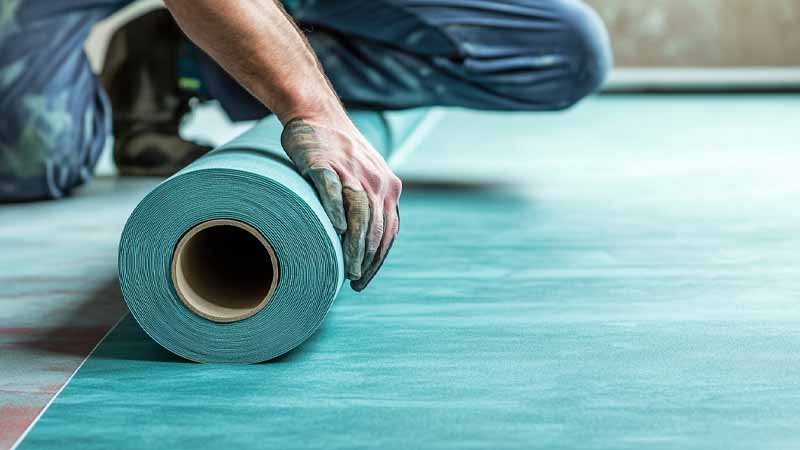
Choosing the right underlayment is essential for both hardwood and laminate floors for several reasons:
- Sound Insulation: Both hardwood and laminate floors can be noisy, especially in multi-level buildings. Underlayment reduces noise transfer, creating a quieter and more comfortable environment. It also prevents the “hollow” sound often associated with laminate floors.
- Moisture Control: Hardwood is particularly susceptible to moisture damage, which can lead to warping, swelling, or splitting. The right underlayment can act as a moisture barrier, preventing water from seeping into the wood. For laminate floors, moisture protection is just as important to prevent the core from swelling or deteriorating.
- Cushioning and Comfort: Underlayment adds a layer of cushioning, making the flooring more comfortable to walk on. This is especially important for laminate, which can feel harder and less forgiving than hardwood.
- Increased Durability: By absorbing some of the pressure placed on the floor, underlayment helps distribute weight more evenly, preventing uneven wear and tear. This increases the lifespan of your flooring and reduces the need for repairs or replacements.
- Thermal Insulation: Some underlayments offer thermal insulation, helping to maintain a comfortable temperature in your space by preventing heat loss through the floor.
How Many Types of Flooring Underlayment?
When it comes to flooring underlayment, there’s no one-size-fits-all solution. Several types of underlayment materials are available, each offering different benefits. These include:
- Foam Underlayment: Generally made of polyethylene, mainly IXPE. Foam underlayment is lightweight, cost-effective, and provides good sound insulation. It’s the most commonly used underlayment for laminate flooring.
- Cork Underlayment: Cork is a natural material that offers excellent sound insulation and moisture resistance. It’s ideal for both hardwood and laminate floors, providing a natural feel underfoot.
- Rubber Underlayment: Rubber underlayment is often used in areas where noise reduction is a top priority, such as in apartments or high-traffic areas. It’s durable, soundproof, and moisture-resistant, though it tends to be more expensive.
- Felt Underlayment: Felt underlayment is made from recycled fibers and is often used with hardwood flooring. It provides cushioning, noise reduction, and some moisture protection. It’s an eco-friendly option but may not be suitable for areas with high humidity.
- Combination Underlayment: Some underlayments combine two or more materials (e.g., foam with a moisture barrier) to address multiple needs. These are ideal for environments where both moisture control and sound insulation are important.
How to Choose the Right Underlayment for Hardwood and Laminate Floors?
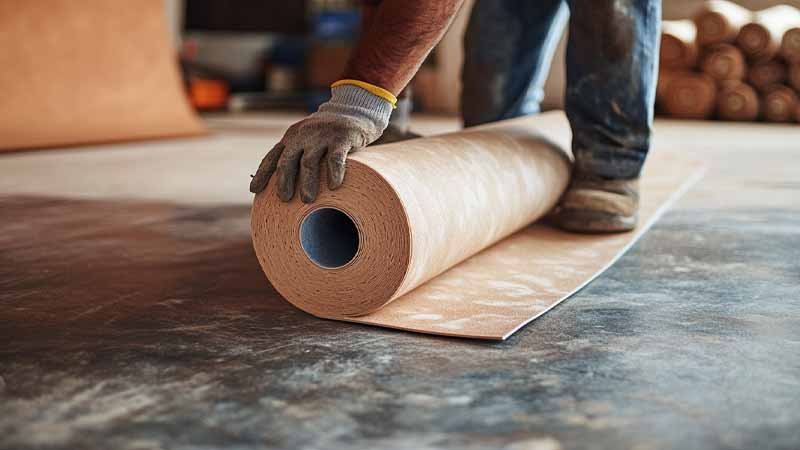
The decision between different types of underlayment can be overwhelming, but it doesn’t have to be. When choosing the right underlayment for hardwood or laminate flooring, here are a few factors to consider:
- Floor Type: Hardwood and laminate have different needs when it comes to underlayment. Hardwood requires moisture control to prevent warping, while laminate needs cushioning and sound insulation.
- Subfloor Condition: If your subfloor is uneven or damaged, you may need a thicker or more supportive underlayment to provide a stable foundation.
- Moisture Levels: For areas with high humidity or moisture exposure (like basements or bathrooms), a moisture-resistant underlayment is a must.
- Soundproofing Needs: If noise reduction is important, look for an underlayment with good soundproofing qualities, such as rubber or cork.
- Installation Ease: Some underlayments come with built-in moisture barriers or self-adhesive backing, making installation easier and faster.
- Cost: Check out the budget of your flooring underlayment. Among other underlayments, IXPE is economical but with high quality options.
Out of all the options, IXPE foam stands out as an ideal choice for both hardwood and laminate flooring. IXPE (irradiated cross-linked polyethylene) foam is highly durable, offers excellent sound insulation, and provides moisture resistance. It’s also relatively easy to install, with some versions featuring self-adhesive backing for quick application.
How to Choose the IXPE Flooring Underlayment?
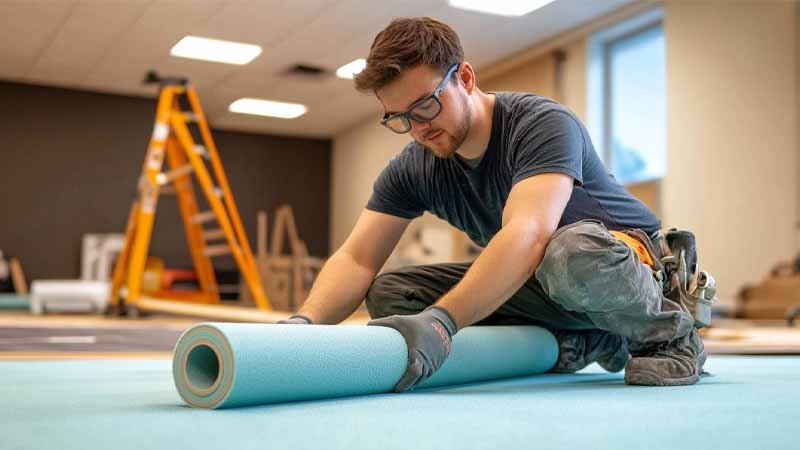
When it comes to selecting the right underlayment for your hardwood or laminate flooring, IXPE foam is often the top choice. To ensure you’re getting the best performance out of your flooring system, it’s essential to choose an IXPE underlayment that matches your specific needs.
There are three key factors to consider when selecting the ideal IXPE foam underlayment for your flooring project: density, thickness, and usage environment. Let’s take a closer look at each factor to help you make the best choice for your space.
1. Density
Density refers to how compact or dense the material is. When it comes to IXPE foam underlayment, density plays a vital role in determining its support capabilities, durability, and soundproofing properties. A higher density foam underlayment provides more resistance to wear and tear, while a lower density foam may compress more easily under weight, leading to less support over time.
- High-Density IXPE Foam: A denser IXPE foam is typically more durable and will provide better support for the flooring. This type of underlayment is excellent for high-traffic areas, such as living rooms, hallways, and offices. It also offers superior sound insulation, making it ideal for multi-level buildings or spaces where noise reduction is a priority. Desire density is 100-200kg/m3.
- Medium to Low-Density IXPE Foam: If you’re working with a budget or installing flooring in a less high-traffic area, lower density IXPE foam may be sufficient. It provides decent performance for residential spaces like bedrooms or guest rooms where foot traffic isn’t as heavy. It’s also a good choice for temporary or low-cost flooring solutions, as it is lighter and more affordable. Desire density is 50-100kg/m3.
2. Thickness
The thickness of the IXPE foam underlayment can significantly impact its performance. Thicker underlayments offer more cushioning, better sound insulation, and enhanced thermal insulation, making them particularly useful in areas where noise reduction or temperature regulation is essential. However, thicker underlayment can also increase the height of your floor system, which may require additional adjustments (like trimming door frames or adjusting transitions).
- Thin IXPE Foam (1–2mm): Ideal for areas where space is limited or for floors that don’t require a lot of cushioning or soundproofing. Thin underlayment is generally used in commercial settings or where floor height must be kept to a minimum, such as in areas with low ceilings or specific height regulations. It is still effective in providing some soundproofing and moisture protection but may not offer the same level of comfort or acoustic benefits as thicker options.
- Medium Thickness (3–5mm): This is the most commonly used thickness for residential installations. It strikes a balance between providing adequate soundproofing, comfort, and thermal insulation without significantly raising the floor height. For most hardwood or laminate floors, a thickness of 3–5mm is perfect for reducing noise and enhancing the walking experience while maintaining ease of installation.
- Thick IXPE Foam (6mm and above): Thicker IXPE underlayment is typically used in spaces where additional soundproofing, moisture resistance, or insulation is necessary. It’s ideal for apartments, homes with multiple floors, or areas with high foot traffic. The extra thickness can help reduce sound transmission between floors and provide more cushioning for a more comfortable walking experience. However, keep in mind that thicker underlayment may require adjustments to door clearance and trim.
3. Usage Environment
Finally, consider the usage environment when choosing your IXPE foam underlayment. Different environments can have varying levels of moisture, temperature fluctuations, and wear and tear, all of which can affect the performance of your flooring system. For areas prone to humidity or moisture, it’s critical to select the right IXPE foam with enhanced moisture resistance to ensure your flooring stays intact for the long run.
- Standard IXPE Foam Underlayment: This is IXPE foam only, which is perfect for dry areas with standard moisture levels, such as living rooms, bedrooms, and offices. It provides solid cushioning, soundproofing, and thermal insulation but is best used in spaces where moisture is not a significant concern.
- IXPE with Aluminum Foil or PE Film Foil for Moisture Protection: If your flooring is being installed in an area that is exposed to high levels of humidity, such as basements, kitchens, or bathrooms, it’s essential to choose IXPE foam that includes a moisture barrier. IXPE underlayment with aluminum foil or PE film foil is an excellent option for high-humidity environments. The aluminum foil acts as a vapor barrier, preventing moisture from seeping into the floor and causing damage over time. This added layer of protection is particularly important in areas where floors are more vulnerable to water or moisture exposure, such as concrete slabs or below-grade spaces.
- Basements: Moisture from the ground can easily affect laminate or hardwood flooring, making IXPE foam with an aluminum or PE film foil the perfect choice. This combination creates an impermeable barrier that prevents water from seeping into the flooring material, reducing the risk of warping or swelling.
- Kitchens and Bathrooms: These areas often see a lot of foot traffic, spills, and fluctuating moisture levels. The moisture-resistant properties of IXPE foam with a protective layer can help maintain the floor’s integrity, preventing water damage and extending the lifespan of the floor.
IXPE foam underlayment is an excellent choice for hardwood and laminate floors, combining strength, flexibility, and moisture protection. By choosing the right underlayment based on these factors, you’ll ensure that your flooring system remains in top condition, adding both beauty and functionality to your home.
How to Install IXPE Flooring Underlayment?

Installing IXPE flooring underlayment is straightforward.
First, make sure your subfloor is clean, dry, and level.
Then, roll out the IXPE foam, ensuring it covers the entire area. If it’s a self-adhesive version, peel off the backing and stick the foam down. For non-adhesive versions, simply lay the foam out, cutting it to fit the edges of the room.
Finally put the hardwood or laminate floor above the underlay. It’ quite easy to install it. right?
How to Maintain Flooring Underlayment?
Maintaining your underlayment is simple: avoid excess moisture, keep it clean, and ensure that any spills or leaks are cleaned up immediately. IXPE foam is relatively low-maintenance, but ensuring that the floor above is kept in good condition will help the underlayment perform optimally for years.
Conclusion
The right underlayment can make all the difference in how your hardwood or laminate floor performs, feels, and lasts. IXPE foam, with its combination of soundproofing, moisture resistance, and durability, is an excellent choice for both types of flooring. By selecting the right underlayment, you can enhance your floor’s comfort, longevity, and overall performance.
FS Foam has been specializing in IXPE foam manufacturing for over ten years. Feel free to contact us for any of your underlayment needs or project inquiries. We’re here to help!
FAQs
What is the best underlayment for hardwood floors?
IXPE foam is one of the best underlayment choices for hardwood floors due to its excellent moisture resistance, comfort, and soundproofing properties. It helps protect the wood from humidity-related issues while providing a cushioned, noise-reducing base for enhanced floor stability and durability.
Can I use the same underlayment for laminate and hardwood flooring?
Yes, IXPE foam is versatile and works well for both laminate and hardwood flooring. Its ability to offer moisture protection, sound insulation, and cushioning makes it an ideal choice for both types of floors, ensuring consistent performance across various flooring materials while enhancing comfort and durability.
What is the ideal thickness of underlayment for laminate flooring?
For laminate flooring, an underlayment thickness of 2-3mm is typically recommended. This thickness provides the right balance of cushioning, noise reduction, and moisture protection without raising the floor height too much. It ensures easy installation while delivering adequate support and comfort for laminate floors.
Does IXPE foam work in high-humidity areas?
Yes, IXPE foam is moisture-resistant and suitable for high-humidity environments, such as bathrooms, kitchens, and basements. With its built-in moisture protection, it prevents water damage and swelling, making it an excellent choice for flooring installations where humidity and moisture exposure are concerns.
How do I know if I need underlayment for my hardwood flooring?
Underlayment is crucial for hardwood flooring to provide moisture protection, noise reduction, and stability. If you’re installing hardwood in areas with fluctuating humidity or on concrete slabs, underlayment is necessary to ensure the longevity of the floor and prevent potential issues like warping or creaking.