When we think about the materials used in the automotive industry, we often focus on metals, plastics, and composites that form the backbone of vehicle construction. However, a lesser-known but equally important player in modern automotive design is PVC foam. This versatile material has found its place in a variety of applications, particularly in automotive interiors, due to its unique combination of properties that make it both functional and cost-effective.
Let’s take a deep dive into what PVC foam is, why it’s so important, and how it’s transforming the automotive industry, especially when it comes to vehicle interiors.
What is PVC Foam?
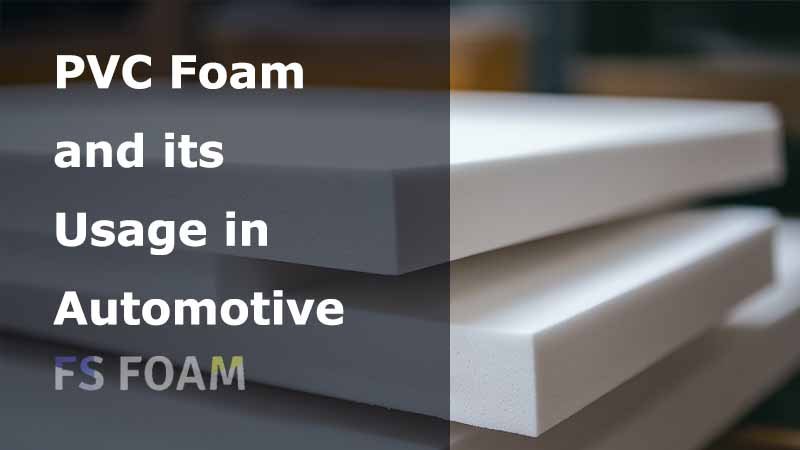
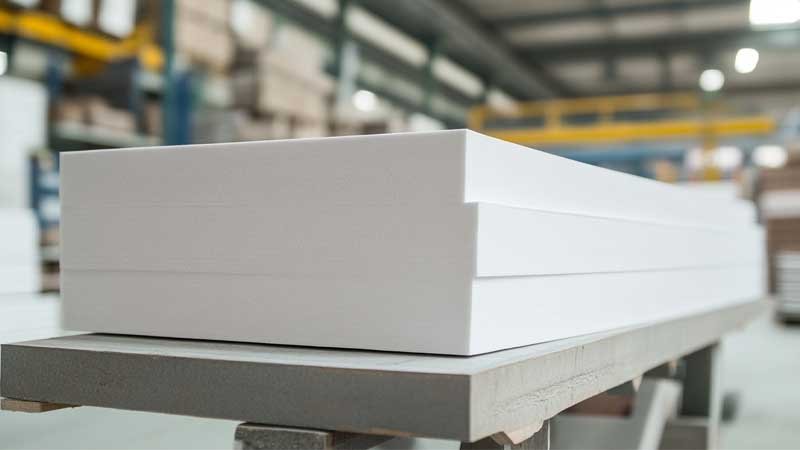
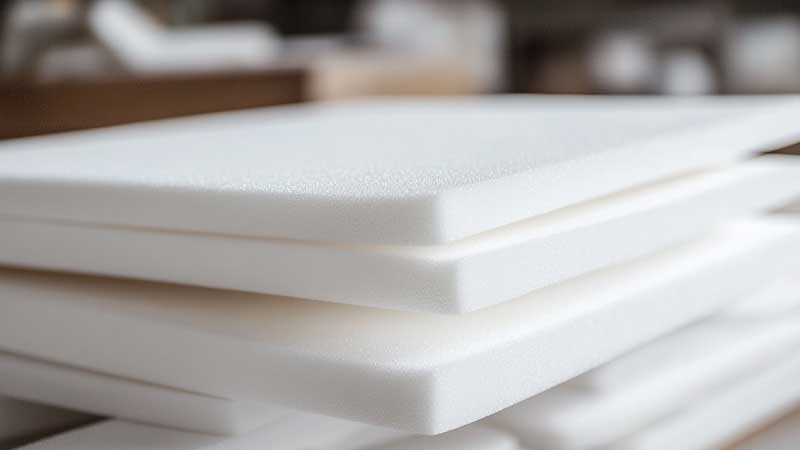
Polyvinyl Chloride (PVC) foam, often simply referred to as PVC foam, is a lightweight, closed-cell material made by combining PVC resin with foaming agents. Through a process of heating and expanding, the material forms tiny, stable bubbles within the polymer matrix, giving the foam its characteristic low density and flexibility. The result is a material that is highly durable, moisture-resistant and possesses excellent sound and thermal insulation properties.
We might find PVC foam in various forms, from rigid sheets to flexible foams, depending on the specific application. This adaptability is what makes PVC foam so valuable in the automotive sector, particularly for parts that need to be both lightweight and robust.
Why PVC Foam is Important?
In the automotive industry, weight reduction and material efficiency are crucial for improving fuel efficiency, lowering emissions, and enhancing overall vehicle performance. PVC foam plays a pivotal role here.
The importance of PVC foam extends beyond its low density. It offers excellent resistance to chemicals, UV radiation, and temperature fluctuations, making it an ideal choice for automotive environments. Moreover, its soundproofing and insulation properties help to reduce road noise, enhance comfort, and increase the overall driving experience.
But that’s not all. PVC foam is also cost-effective compared to other materials, providing a good balance between performance and affordability. Whether it’s for sound insulation, structural components, or even aesthetic finishes, PVC foam is often the material of choice due to its versatility and ability to meet the ever-increasing demands of modern automotive design.
What Are the Applications of PVC Foam?
PVC foam isn’t limited to just one or two uses in automotive applications. Its versatility has allowed it to be integrated into a variety of parts and systems, each benefiting from its unique properties. Some of the key applications of PVC foam in the automotive industry include:
- Sound Insulation: PVC foam helps reduce noise and vibration inside the cabin. Whether it’s the hum of the engine or the noise generated by the tires on rough roads, PVC foam can absorb and dampen these sounds, providing a quieter ride.
- Thermal Insulation: In both the engine compartment and the interior, temperature control is vital. PVC foam is often used as thermal insulation material to protect sensitive parts from heat or maintain a comfortable temperature inside the vehicle.
- Interior Panels: PVC foam is used in automotive interiors for decorative panels, door inserts, and headliners. Its ability to be molded into complex shapes and provide a soft-touch finish makes it an ideal choice for interior aesthetics and comfort.
- Seat Cushions and Backrests: The foam is lightweight yet firm, providing support and comfort. It’s used in seat cushions and backrests to offer long-lasting comfort and support, reducing fatigue during long drives.
- Protective Packaging: PVC foam is also used in the automotive supply chain for packaging and transporting delicate parts, ensuring they remain protected from scratches, impacts, or environmental damage.
How PVC Foam is Used in Automotive Interiors?

When we talk about PVC foam in automotive interiors, we’re referring to how it elevates the functionality, aesthetics, and comfort of the vehicle cabin. It’s not just about what you see, but what you feel—and PVC foam plays a critical role in shaping that experience.
- Dashboard Padding and Door Inserts: In many vehicles, PVC foam is used beneath the surface of dashboards and door panels to offer cushioning and protection. The foam creates a softer feel while also improving the durability of the panel, preventing cracking or damage from impact.
- Headliners and Roof Linings: The headliner is another area where PVC foam comes into play. Its ability to be molded into complex shapes allows manufacturers to design headliners that are both aesthetically pleasing and functional. By providing a layer of soundproofing and insulation, PVC foam helps reduce road noise and keeps the cabin cooler or warmer, depending on the climate.
- Seat Construction: PVC foam has found its place in the construction of car seats, particularly in the cushioning layers. It offers just the right balance of firmness and comfort, enhancing the seating experience for drivers and passengers alike.
- Soundproofing Materials: PVC foam’s sound-absorbing qualities are also leveraged for creating quiet and comfortable cabin environments. It’s commonly used in areas like floor mats, wheel wells, and the interior panels of the car’s frame to minimize noise and vibrations.
- Trim and Decorative Materials: PVC foam can be covered with various decorative finishes such as leather or fabric to provide a premium look and feel in interior trims. These soft-touch materials enhance the overall aesthetics of a vehicle while maintaining functionality.
What Are The Differences Between PVC, XPE, and IXPP Foam in Automotive Interiors?
Key Differences:
- Density & Weight: PVC foam is lightweight, making it ideal for applications that require low-density material, but XPE and IXPP foams tend to be firmer and denser, providing greater support and durability in structural components.
- Sound Insulation: XPE foam excels in absorbing sound and vibrations, making it a top choice for floor mats, roof linings, and soundproofing applications. PVC foam also offers good soundproofing, but IXPP foam is generally more focused on structural integrity than sound insulation.
- Thermal Insulation: While all three foam types provide thermal insulation, XPE and IXPP are typically better at maintaining temperature stability, making them suitable for areas exposed to extreme temperatures.
- Moisture & Environmental Resistance: Both XPE and IXPP foams provide superior moisture resistance compared to PVC foam, which is particularly beneficial for areas of the vehicle exposed to high humidity or water.
- Durability: IXPP foam outshines PVC and XPE when it comes to long-term durability, especially in high-stress areas like car doors and structural components. PVC foam, while durable, can degrade faster when exposed to UV radiation and extreme conditions.
- Cost: PVC foam is the most cost-effective choice, while IXPP foam, being the most durable and structurally sound, comes at a higher price point.
Here’s a detailed comparison of them:
| Property | PVC Foam | XPE Foam (Cross-linked Polyethylene) | IXPP Foam (Irradiated Cross-linked Polypropylene) |
|---|---|---|---|
| Density | Low to medium (lightweight) | Medium to high (firm and durable) | Very low to medium (extremely lightweight) |
| Sound Insulation | Good for noise reduction | Excellent at absorbing sound and vibration | Excellent noise reduction in structural components |
| Thermal Insulation | Moderate thermal resistance | Excellent thermal insulating properties | Excellent thermal resistance |
| Moisture Resistance | Good, resistant to water absorption | Very good, highly resistant to moisture | Excellent moisture resistance |
| Flexibility | Moderate flexibility | High flexibility and cushioning | Very rigid and firm, less flexible than XPE |
| Molding and Shaping | Easy to mold, good for complex shapes | Molds well but not as easily as PVC | Limited flexibility, but excellent for structural components |
| Durability | Good, but can degrade under UV exposure | Very durable, resists aging and wear | Highly durable, resists UV, heat, and chemical degradation |
| Cost | Cost-effective, affordable | More expensive than PVC but still budget-friendly | Higher cost, premium material |
| Typical Applications | Interior panels, trim, insulation, dashboards | Floor mats, roof linings, soundproofing, insulation | Structural parts like door panels, seat backs, and load-bearing areas |
How to Choose the Right Foam for Your Automotive Interior Projects?
Selecting the right foam for automotive interior projects can be a challenge, as each foam type has its own unique set of properties. Here are some factors to consider when making your choice:
Purpose of Use
Are you looking for insulation, structural support, or comfort? Soundproofing materials like PVC and XPE foam are ideal for minimizing cabin noise. For more structural applications, IXPP foam might be the best choice, especially in areas like door panels or seat supports.
Durability
Consider the conditions in which the foam will be used. Will it be exposed to high heat or moisture? IXPP foam is excellent for harsh environments, whereas XPE foam offers great resistance to humidity.
Flexibility and Molding
If the foam needs to be molded into intricate shapes (like interior trims or decorative panels), PVC foam is often a better option due to its ease of molding and cost-effectiveness.
Cost
Budget is always a factor. While IXPP foam offers exceptional durability and strength, it is also more expensive. PVC foam can be a great choice for budget-conscious projects without sacrificing too much in terms of performance.
Conclusion
PVC foam has undoubtedly carved out a vital role in the automotive industry, particularly in vehicle interiors. Its blend of lightweight properties, moisture resistance, insulation qualities, and cost-effectiveness make it a go-to material for manufacturers seeking to improve both function and comfort.
Whether it’s in soundproofing, thermal insulation, or enhancing the overall aesthetic of a car’s interior, PVC foam has proven to be an indispensable part of modern automotive design. When selecting the right foam for your automotive projects, it’s essential to understand the specific needs of the application, as well as the distinct advantages and limitations of various foam types like XPE and IXPP.
FAQs
What is the main benefit of PVC foam in automotive interiors?
PVC foam offers a lightweight, cost-effective solution for enhancing sound insulation, thermal performance, and overall comfort in vehicle interiors.
Can PVC foam be used in all automotive applications?
While PVC foam is versatile, it’s particularly well-suited for applications involving soundproofing, thermal insulation, and decorative interior panels.
How does PVC foam compare to other foam materials like XPE or IXPP?
PVC foam is more affordable and offers good insulation properties, but XPE foam offers better flexibility and moisture resistance, while IXPP foam provides superior strength and durability for structural applications.
Is PVC foam environmentally friendly?
PVC foam is generally considered safe, but like all plastics, it should be disposed of responsibly. Recycled versions of PVC foam are available and can help reduce environmental impact.
How do I choose the best foam for my automotive interior project?
Consider factors like the specific application, required durability, flexibility, cost, and whether the foam will be exposed to extreme conditions (like heat or moisture). Each foam type has strengths depending on the requirements of your project.