What is Flooring Underlayment?
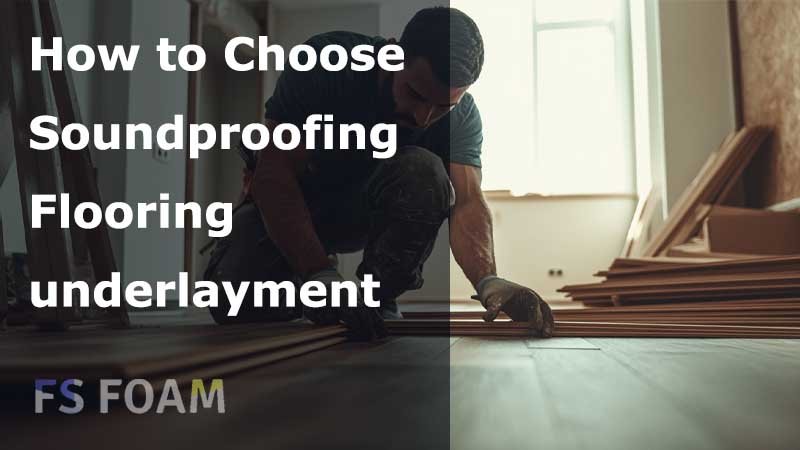
When it comes to flooring, the underlayment is often an unsung hero. Think of it as the foundation of your flooring system—a layer that not only supports your floorboards but also plays a pivotal role in their performance. Flooring underlayment is a thin layer of material placed between the subfloor and the finished flooring, offering several benefits that directly impact the comfort, longevity, and acoustics of your living space.
Underlayment is essential for ensuring your floor is level, protected from moisture, and insulated from external noise. Whether you’re installing laminate, tile, or hardwood flooring, choosing the right underlayment can make all the difference in both functionality and comfort. From soundproofing to cushioning, this material often goes unnoticed but is integral to the overall performance of your flooring system.
Why is Flooring Underlayment Important?
Underlayment is not just about adding an extra layer—it’s about enhancing your flooring’s durability, comfort, and noise control. There are several key reasons why it’s important:
Soundproofing
When it comes to soundproofing, the underlayment can significantly reduce noise levels. It helps mitigate impact (footsteps, dropped objects) and airborne sounds (conversations, music). Whether you’re in a high-rise apartment or a busy office, the right underlayment can make your floors quieter, preventing noise from traveling between rooms or even between floors. This is especially true when it comes to underlayments made of sound-absorbing materials like foam or rubber.
Moisture Protection
Moisture is one of the primary threats to the longevity of your flooring, especially in areas like bathrooms, kitchens, or basements. Flooring underlayment, especially those with moisture barriers, protects your flooring from water damage by preventing moisture from seeping into the subfloor. It also helps prevent the growth of mold and mildew, which can thrive in damp conditions.
Thermal Insulation
Underlayment provides an additional layer of thermal insulation, making your floors feel warmer in the winter and cooler in the summer. It helps to trap heat in the winter, reducing heating costs, and in the summer, it can help keep the temperature more comfortable. This is especially important in colder climates where thermal insulation is essential for energy efficiency.
Cushioning
A good underlayment provides comfort underfoot, offering a cushioned feel when walking on your flooring. This is not only beneficial for comfort but also for the overall lifespan of your floors. By absorbing some of the stresses placed on the floor, underlayment can reduce wear and tear, extending the life of your flooring.
Types of Flooring Underlayment Materials
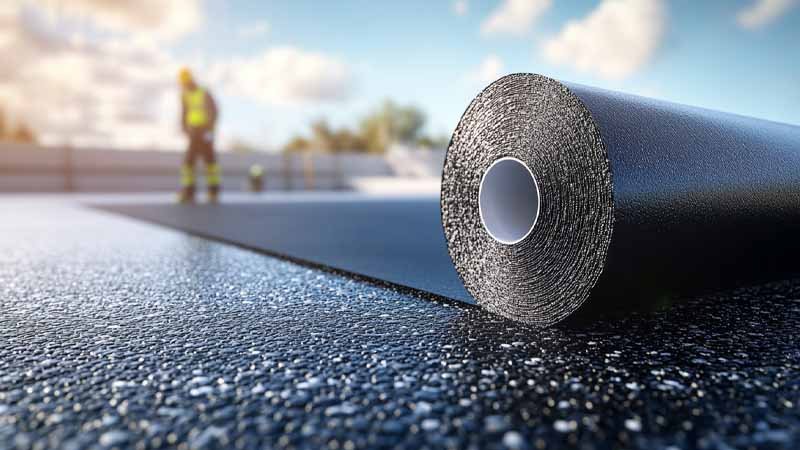
Now that we know why underlayment is crucial, let’s dive into the different types of materials commonly used in flooring underlayment. Each material offers unique advantages, making it essential to choose the right one based on your flooring type and needs.
1. Foam Underlayment
Materials: Foam underlayment is typically made from polyethylene or polypropylene foam, with IXPE (irradiated cross-linked polyethylene) and IXPP (cross-linked polypropylene) being two common types.
Properties: These materials are lightweight, easy to install, and offer excellent sound absorption properties. They also provide thermal insulation, making them a good choice for both noise reduction and comfort. IXPE foam is particularly popular because it has a closed-cell structure, making it more durable and moisture-resistant compared to other foam materials.
Applications: Foam underlayment is commonly used with laminate, engineered wood, and vinyl flooring. Its affordability and versatility make it a popular choice in residential settings, especially in apartments where noise reduction is a priority. For example, IXPE foam underlayment is commonly installed beneath laminate floors in high-rise apartments to reduce sound transmission.
2. Rubber Underlayment
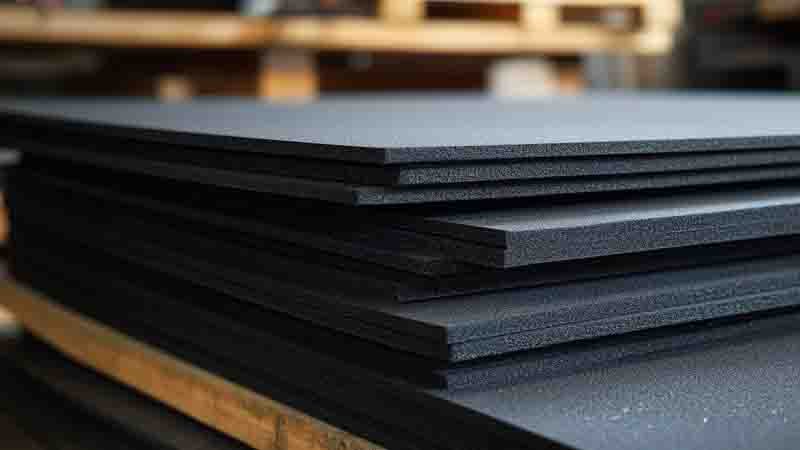
Materials: Rubber underlayment is made from natural rubber, synthetic elastomers, or recycled rubber.
Properties: This material is incredibly durable, moisture-resistant, and has superior soundproofing capabilities. Rubber underlayment works wonders in high-traffic areas due to its ability to absorb shock and reduce both impact and airborne sound.
Applications: Rubber is ideal for use in spaces with heavy foot traffic, such as commercial environments or high-traffic residential areas. It’s particularly suitable for tile and stone flooring, where the hard surface may create more noise. For example, rubber underlayment is often used in commercial spaces to maintain quiet and durability, especially in office buildings or hotels.
3. Cork Underlayment
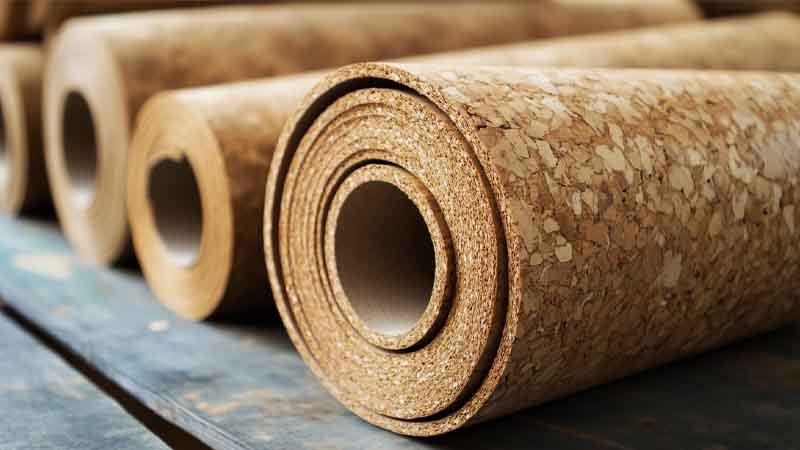
Materials: Made from natural cork, this material is eco-friendly and provides excellent sound absorption.
Properties: Cork is known for its soundproofing qualities, being both moisture-resistant and sustainable. It’s also a natural insulator, helping to maintain the temperature in your space. One of the key benefits of cork is its ability to absorb airborne sound, making it a good choice for creating a quieter living environment.
Applications: Cork underlayment is frequently used beneath hardwood and laminate flooring. It’s also a great choice for spaces like home theaters or media rooms, where sound absorption is crucial. For example, cork underlayment is commonly installed beneath hardwood flooring in a home theater to enhance acoustics and reduce sound transmission.
4. Felt Underlayment
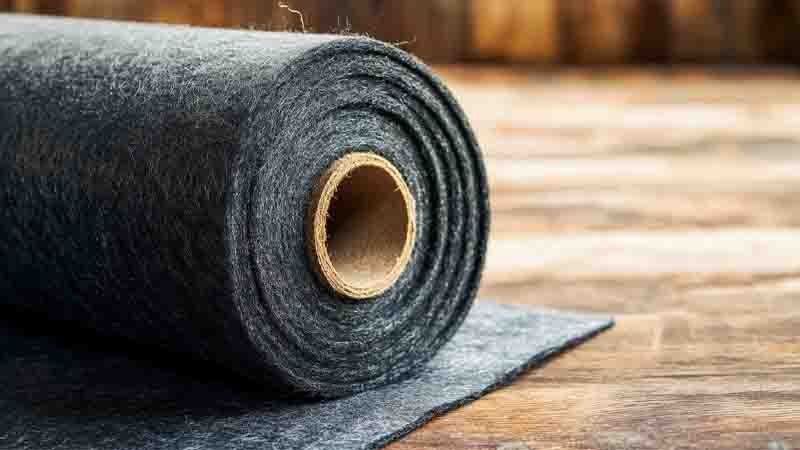
Materials: Felt underlayment is typically made from recycled fibers, wool, or synthetic materials.
Properties: Felt provides excellent sound absorption and cushioning. It also helps protect against moisture by acting as a barrier between the flooring and the subfloor.
Applications: Felt underlayment is often used with hardwood floors to reduce noise transmission and provide added comfort. It’s also a common choice for bedrooms, as it creates a quieter environment. For instance, felt underlayment is installed under hardwood floors in bedrooms to absorb sound and add comfort underfoot.
5. Plywood Underlayment
Materials: Made from thin sheets of plywood, this underlayment is used primarily for leveling and smoothening the surface.
Properties: Plywood underlayment provides a stable surface for flooring installation, helping to level out minor imperfections in the subfloor. It doesn’t offer the soundproofing capabilities of foam or rubber, but it provides a strong base for other flooring materials.
Applications: Plywood underlayment is commonly used under vinyl and tile flooring to ensure proper adhesion. It is particularly useful in areas where the subfloor needs leveling. For example, plywood underlayment is used beneath vinyl tiles in kitchens and bathrooms to ensure smooth installation.
6. Combination Underlayment
Materials: Combination underlayment layers of different materials like foam, felt, cork, or rubber, often with moisture-resistant barriers.
Properties: These underlayments offer a combination of sound insulation, moisture protection, and cushioning, making them a versatile choice.
Applications: Suitable for various flooring types, combination underlayment is especially useful in commercial settings where multiple benefits are required. For instance, combination underlayment is often used in office buildings to provide both comfort and soundproofing.
What is the Impact Sound Transmission Loss?
Impact sound refers to noise created when something hits a surface—think footsteps, dropped objects, or the sound of moving furniture. Impact sound transmission loss (ISTL) is the measure of how well a floor system absorbs and reduces the noise caused by these impacts. Floors with high ISTL prevent noise from transferring through to the floor below, making them ideal for multi-story buildings or shared spaces.
A higher impact sound transmission loss means less disturbance to neighbors or those below. Underlayments like foam, rubber, and cork can improve ISTL by absorbing the shock and preventing the noise from traveling.
What is Airborne Sound Transmission Loss?
Airborne sound transmission refers to noises like conversations, music, and television sounds that travel through the air. Airborne sound transmission loss (ASTL) measures how well a floor system blocks these sounds from traveling to other rooms or apartments. Unlike impact sounds, airborne sounds are more about the material’s ability to dampen vibrations in the air.
Airborne sound transmission loss is essential in reducing noise pollution, especially in open-plan offices or multi-unit buildings. Materials like IXPE foam, cork, and rubber are effective at reducing ASTL because of their ability to absorb sound waves.
How to Choose the Right Soundproofing Underlayment for Your Floor?
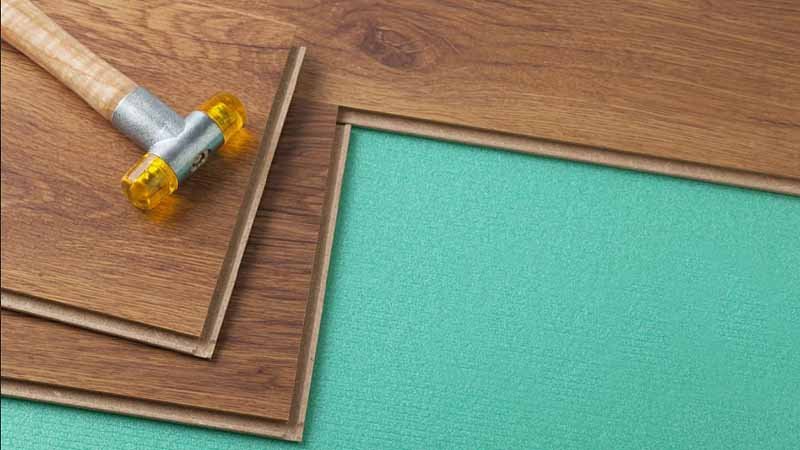
Choosing the right soundproofing underlayment is critical for achieving the desired noise reduction. Consider the following factors:
- Type of Flooring: Different flooring materials require different types of underlayment. For example, rubber underlayment is ideal for tile and stone, while foam or cork works best with hardwood or laminate floors.
- Level of Noise: If you’re dealing with heavy impact sounds (e.g., in an office or apartment), go for materials like rubber or IXPE foam for maximum soundproofing. For airborne sounds, cork or IXPE foam may provide better results.
- Moisture Concerns: If you live in a humid environment, choose a material with built-in moisture protection, such as rubber or foam underlayment with a moisture barrier.
- Budget: Rubber tends to be more expensive but provides superior soundproofing. If you’re looking for an affordable option, IXPE foam or cork may be more budget-friendly.
What is the Best Soundproofing Floor Underlayment?
Not all underlayments are made equal when it comes to soundproofing. Some materials perform better for impact noise, while others are better for airborne sound.
| Material | Impact Sound Reduction | Airborne Sound Reduction | Best For |
|---|---|---|---|
| IXPE Foam | High | Moderate to High | Laminate, engineered wood, vinyl |
| Rubber | Very High | High | High-traffic areas, tile, stone |
| Cork | Moderate | Very High | Hardwood, laminate, home theaters |
IXPE foam excels in both impact and airborne sound reduction, making it a top choice for multi-family housing. Rubber, while more expensive, offers superior performance in high-traffic areas, while cork is perfect for reducing airborne noise, especially in spaces requiring sound absorption.
How Does IXPE Flooring Underlayment Dampen Noise?
IXPE (irradiated cross-linked polyethylene) is a specialized material that excels in soundproofing. Its closed-cell structure traps sound waves, reducing their ability to travel through the flooring system. When installed beneath laminate or vinyl flooring, IXPE can significantly reduce impact and airborne noise, creating quieter spaces. The foam also provides additional thermal insulation and moisture resistance, making it an ideal choice for both residential and commercial spaces.
How to Install the IXPE Foam Flooring Underlayment?

Installing IXPE foam flooring underlayment is relatively straightforward, but doing it correctly ensures you get the best soundproofing, comfort, and durability from your floors.
Here’s a step-by-step guide to ensure proper installation:
Step#1: Prepare the Subfloor
Before you begin, ensure the subfloor is clean, dry, and level. Remove any dust, dirt, or debris that may interfere with the adhesive or cause bumps under the underlayment. If there are any gaps, cracks, or holes, fill them in to create a smooth surface.
Step#2: Unroll the IXPE Foam Underlayment
Unroll the IXPE foam across the subfloor, aligning it with the edges of the room. You may need to cut the foam to fit the room’s dimensions. Make sure the foam lies flat against the surface and that there are no wrinkles or folds.
Step#3: Cut to Fit
Using a sharp utility knife, trim the IXPE foam to fit the edges of the room. Leave a small gap between the edges of the underlayment and the walls (about 1/4 inch) to allow for expansion. This is especially important in spaces with high humidity or temperature fluctuations.
Step#4: Seal the Seams
If the underlayment comes in separate rolls or sheets, you’ll need to seal the seams where they meet. This is usually done with a tape designed for flooring underlayment, such as polyethylene or aluminum-backed tape. Ensure the seams are fully sealed to prevent moisture and dust from getting under the foam.
Step#5: Install the Flooring
Once the IXPE foam underlayment is laid down and the seams are sealed, you can begin installing your laminate flooring directly on top. The underlayment should remain in place as you work, with no need to glue or nail it down. Simply install the flooring according to its manufacturer’s instructions.
Tools Needed:
- Utility knife or scissors
- Measuring tape
- Floor roller (optional for smoothing)
- Polyethylene or aluminum-backed tape (for sealing seams)
Common Mistakes to Avoid:
- Skipping the Subfloor Preparation: Failing to clean or level the subfloor can result in uneven underlayment and flooring, which may lead to uneven wear.
- Overlapping the Underlayment: Always avoid overlapping pieces of underlayment, as this can cause uneven surfaces that affect the performance of your flooring.
- Forgetting the Expansion Gap: Leaving a gap around the perimeter of the room allows for the natural expansion and contraction of materials, especially in environments with fluctuating temperatures or humidity.
- Improper Sealing: If you don’t properly seal the seams, moisture, dirt, and dust can get under the underlayment, potentially damaging both the foam and the flooring above it.
How to Maintain Flooring Underlayment?
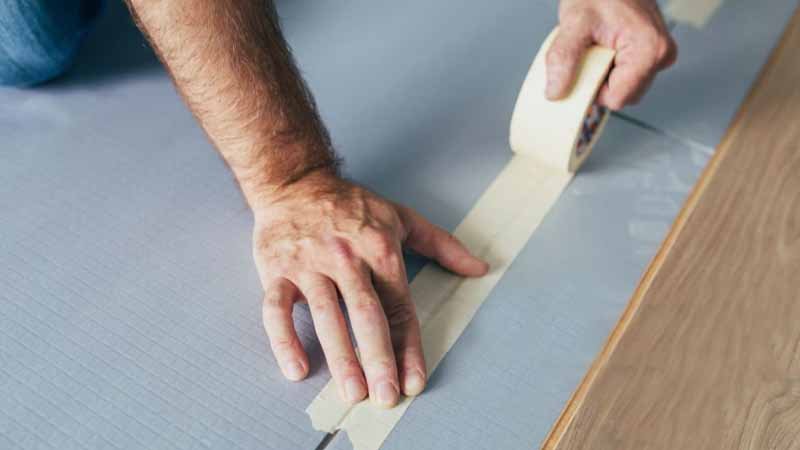
Proper maintenance of your flooring underlayment ensures that it continues to perform effectively and lasts longer, giving you the best value for your investment. Here are some tips and guidelines for maintaining your underlayment:
Tips for Maintaining Flooring Underlayment:
- Regular Inspections It’s a good idea to periodically inspect your underlayment, especially in high-traffic or high-moisture areas, to ensure that it hasn’t been damaged by moisture or wear. Check for signs of mold, mildew, or physical damage such as holes or tears.
- Clean the Floor Surface Regularly Although most underlayment materials are designed to be low-maintenance, keeping the floor surface clean can help prolong the life of the underlayment. Avoid using harsh chemicals that could damage the foam or other underlayment materials.
- Address Spills and Leaks Immediately In areas prone to spills or moisture (such as kitchens or bathrooms), clean up any liquid that comes into contact with the flooring and underlayment as quickly as possible. IXPE foam and other underlayments can be damaged by prolonged exposure to moisture.
- Control Humidity High humidity can lead to mold and mildew growth, especially in areas like basements or bathrooms. To help control moisture levels, use a dehumidifier or proper ventilation. This is especially crucial in areas with IXPE foam underlayment, as it can absorb moisture over time if not maintained.
- Use Furniture Protectors Heavy furniture can create permanent indentations in the underlayment or the flooring above it. Use furniture pads or protectors to distribute the weight more evenly and prevent unnecessary compression.
Common Issues and How to Address Them:
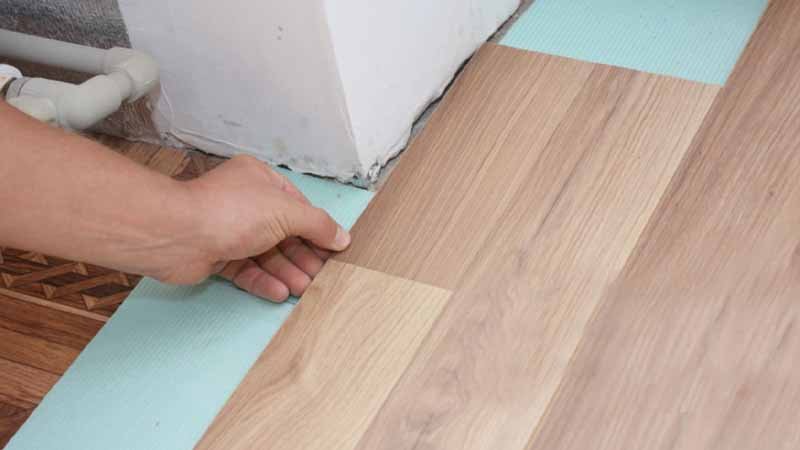
- Moisture Damage: If your underlayment has been exposed to excessive moisture, it can break down and lose its effectiveness. If you notice that the underlayment feels damp or spongy, or if the flooring begins to feel uneven, it may be time to replace it. In areas prone to moisture, always make sure to choose underlayment materials that are moisture-resistant.
- Wear and Tear: Over time, flooring underlayment can experience wear and tear, especially in high-traffic areas. Look for any signs of thinning or compression in the foam or other materials. If the underlayment is visibly worn, it may be time to replace it to ensure the longevity of your flooring.
- Mold Growth: Mold and mildew can develop on underlayment when it’s exposed to moisture. To prevent this, maintain proper ventilation and address any water leaks immediately. If mold or mildew does develop, you may need to remove and replace the affected area of underlayment to prevent further damage.
- Shifting or Moving Underlayment: If your underlayment begins to shift or move during installation, it may not have been properly sealed or laid down. To prevent this, make sure to secure the seams properly with the right adhesive or tape.
Regular Inspection in High-Humidity Areas:
In areas with high humidity or direct moisture exposure, like bathrooms or basements, it’s especially important to perform regular inspections. Ensure that your underlayment hasn’t absorbed moisture, which could lead to mold growth. Consider installing a vapor barrier or using moisture-resistant underlayment in these areas for added protection.
These two sections add detailed instructions on both the installation and maintenance of IXPE foam underlayment, giving readers a clear roadmap for ensuring their underlayment remains effective over time.
Let me know if you need further revisions!
Conclusion
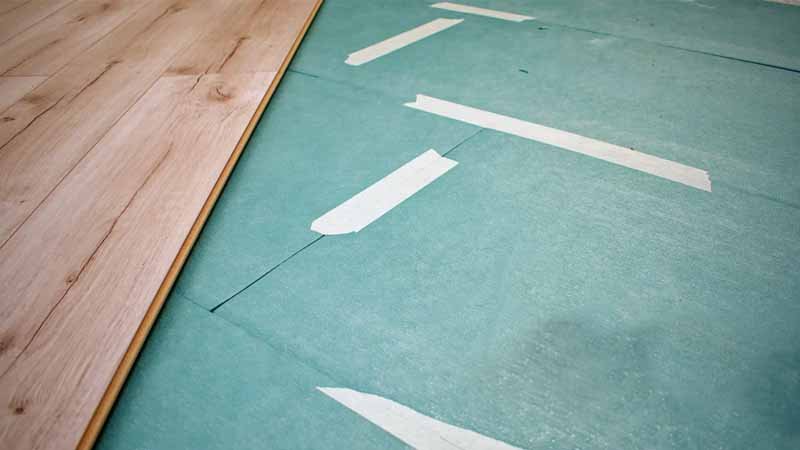
Choosing the right flooring underlayment is key to achieving the best soundproofing results for your space. IXPE foam offers exceptional noise reduction for both impact and airborne sounds while providing thermal insulation and durability. By selecting the right underlayment based on your specific needs, you can enhance comfort and create a quieter, more peaceful environment.
Ready to upgrade your flooring underlayment? Contact us today to explore IXPE foam and other soundproofing solutions tailored to your needs.
FAQs
1. What is the main purpose of flooring underlayment?
Flooring underlayment serves as a foundation between the subfloor and the finished flooring. Its main purposes are to provide soundproofing, moisture protection, thermal insulation, and comfort. It helps in reducing noise, protecting your flooring from moisture damage, and providing a cushioned feel underfoot.
2. Can I use the same underlayment for all types of flooring?
Not all underlayments are suitable for every type of flooring. For example, rubber underlayment is great for tile and stone floors, while foam or cork underlayments are better suited for laminate and hardwood floors. Be sure to choose the underlayment that matches the specific requirements of your flooring type.
3. What is the best underlayment for soundproofing?
For effective soundproofing, IXPE foam and rubber are among the best choices. These materials excel at reducing both impact and airborne sounds, making them ideal for high-traffic areas or multi-story buildings. Cork also provides good sound absorption for airborne noise.
4. Does underlayment improve the comfort of my floor?
Yes! Underlayment provides cushioning that can make your floors more comfortable to walk on. Materials like foam and cork offer added softness, which is especially beneficial in areas where you spend a lot of time standing or walking, such as kitchens or living rooms.
5. Can underlayment be used in high-moisture areas like bathrooms?
Yes, underlayment materials with moisture barriers, such as rubber or specific foam types with added moisture protection, are ideal for high-moisture areas like bathrooms and basements. These materials help protect your flooring from water damage and prevent mold growth.
6. How thick should my flooring underlayment be?
The thickness of your underlayment depends on the type of flooring you’re installing and your soundproofing needs. Typically, underlayment thickness ranges from 1mm to 5mm. For example, for soundproofing, thicker underlayments are generally more effective. However, always check the manufacturer’s recommendations for the best thickness based on your flooring type.
7. How do I install flooring underlayment?
Installation varies depending on the type of underlayment and the flooring you’re installing. Most underlayments are easy to roll or lay down, and some are peel-and-stick for easier application. Ensure the underlayment is properly aligned and that seams are joined correctly to avoid gaps. Always follow the manufacturer’s instructions for installation.
8. Can I use underlayment for vinyl floors?
Yes, foam or IXPE foam underlayment is an excellent choice for vinyl floors. It provides soundproofing, moisture protection, and cushioning, ensuring that your vinyl floors remain in good condition for years.
9. How long does flooring underlayment last?
The lifespan of flooring underlayment depends on the material and the amount of wear it experiences. Typically, underlayment lasts anywhere from 5 to 20 years. High-quality materials like rubber or IXPE foam tend to last longer, especially in high-traffic areas.
10. Can underlayment help with energy efficiency?
Yes, certain underlayments, particularly those with thermal insulating properties, can help improve energy efficiency. Materials like foam and cork can provide additional insulation, helping to regulate temperature and reduce heating and cooling costs.