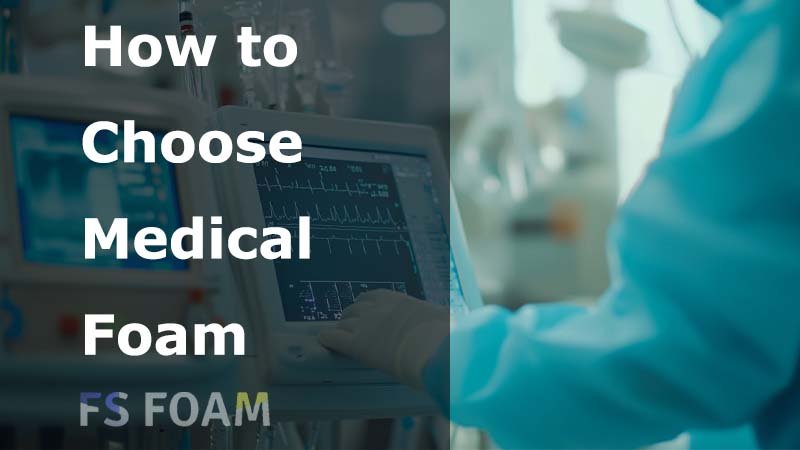
In the healthcare industry, medical foam plays a critical role in enhancing patient comfort, improving device performance, and ensuring safety. From wound care dressings to custom orthotics and prosthetics, medical foam is a versatile and vital material.
At FS Foam, we understand the unique requirements of medical foam and have spent over a decade delivering customized solutions for healthcare applications.
In this article, we’ll explore how to choose the right medical foam, dive into its various types, applications, and key benefits, and help you make informed decisions for your medical projects.
What is Medical Foam?
Medical foam is a specially designed material that has been engineered to meet the unique needs of healthcare applications.
It’s soft, flexible, and durable, offering a range of properties that make it ideal for patient care and medical devices.
Typically made from polymers such as polyurethane, silicone, and polyethylene, medical foam can be either open-cell or closed-cell, depending on the application.
Characteristics of Medical Foam:
- Softness: Medical foams are often designed to provide comfort and relieve pressure, which is critical for patients who may spend long periods in one position, like those in hospitals or nursing homes.
- Breathability: For wound care and long-term wear applications, medical foams are breathable, preventing moisture build-up that could lead to infections.
- Durability: Medical foam is designed to last through rigorous usage and cleaning. It can withstand sterilization processes like gamma radiation or ethylene oxide (EtO) to ensure hygiene.
- Water Resistance: Some medical foams, particularly closed-cell versions, are water-resistant, making them ideal for environments where moisture protection is essential.
What Foam is Used in Medical Devices?
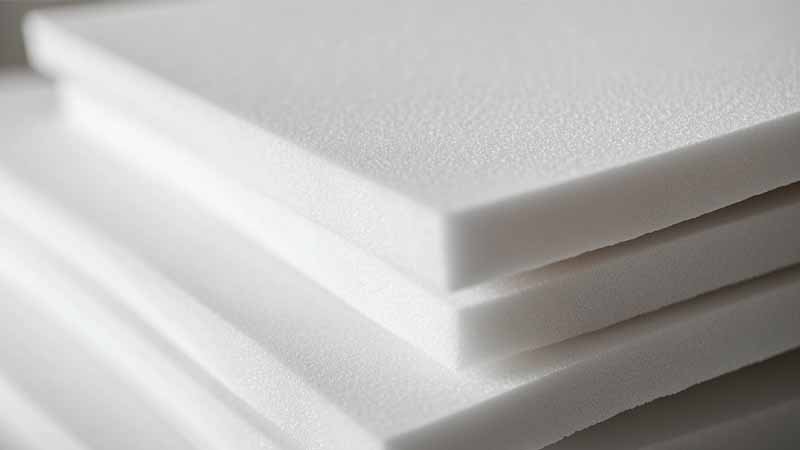
The choice of foam in medical devices is driven by specific needs such as comfort, protection, and biocompatibility. Below are some common foams used in medical devices, each with its distinct properties:
- Polyurethane Foam: This is one of the most commonly used foams in medical devices. It’s known for its flexibility, durability, and comfort. It’s often used in products like patient cushions, medical mattresses, and wound care dressings.
- Memory Foam: This type of foam excels in providing pressure relief. Memory foam is often used in medical cushions, seating pads, and in mattresses designed to prevent pressure ulcers.
- Silicone Foam: Silicone foams are biocompatible, flexible, and able to withstand high temperatures, making them ideal for prosthetics, wound care dressings, and sealing medical devices like electrodes.
- Closed-Cell Polyethylene Foam: Mainly IXPE foam, Known for its strength and water resistance, closed-cell polyethylene foam is often used in packaging sensitive medical devices, orthotics, and padding for orthopedic products.
- Latex Foam: This foam is often used in medical gloves and some padding applications. It’s elastic and provides a high level of tactile sensitivity, making it useful in a variety of medical environments.
Key Properties for Medical Foams:
- Biocompatibility: Foams used in medical devices must be safe for contact with the skin and other sensitive body parts. This is particularly critical for wound care and prosthetic devices.
- Hypoallergenic: Many foams, especially those used in dressings and pads, are hypoallergenic to reduce the risk of allergic reactions.
- Sterilization Compatibility: Medical foams must be able to withstand sterilization processes such as gamma radiation or EtO (ethylene oxide), which are commonly used to ensure the cleanliness and safety of medical products.
What Are the Applications of Medical Foam?

Medical foam has a wide range of applications across the healthcare industry. Some of the most common applications include:
Wound Care:
Medical foams are often used in dressings and padding for wound healing. The foam helps absorb excess fluid, maintain a moist healing environment, and protect the wound from external contaminants. Foam dressings are especially beneficial for chronic wounds, as they provide cushioning and reduce friction.
Medical Device Cushioning:
Foam is used to protect and cushion delicate medical equipment. Devices such as ECG machines, oxygen pumps, and other monitoring devices are often padded with foam to prevent damage during handling and transport. The foam also helps in reducing vibrations and ensuring accurate readings.
Pressure Relief:
Foam plays an essential role in preventing pressure ulcers (bed sores) by redistributing body weight and reducing the pressure on vulnerable areas of the skin. Foam is commonly used in mattresses, cushions, wheelchair pads, and seating pads to provide comfort and alleviate pressure.
Orthotics & Prosthetics:
Medical foams are used in the fabrication of custom orthotics and prosthetics. They provide a comfortable fit for patients by molding to their body shape, ensuring both support and relief from pressure. Foam materials are particularly useful for padding and cushioning sensitive areas in prosthetic devices.
Sealing and Gasketing:
Medical foams also have sealing properties, which are used in devices like LCD screens, electrodes, and stoma bags. They help maintain a barrier to moisture, gases, and other contaminants, ensuring the device’s performance and safety.
How to Choose Medical Foam for Your Project?
Choosing the right medical foam for your project can be a complex decision, as it involves several factors that depend on the application. Here’s what you should consider when selecting medical foam:
Consider the Application:
Different applications require different foam properties. For example, if your goal is pressure relief, you’ll want a foam that offers excellent cushioning and weight distribution, like memory foam. For wound care, you may need a foam that is absorbent and can be sterilized.
Evaluate Foam Properties:
Key properties to consider include:
- Absorbency: For wound care, absorbent foams are essential to manage exudate.
- Breathability: Look for foams that allow airflow to avoid moisture accumulation.
- Hypoallergenic Properties: For sensitive skin, hypoallergenic foams are a must.
- Shock Absorption: If cushioning and protection are needed, choose foams with strong shock-absorbing qualities.
Sterilization Needs:
Depending on the nature of your project, you may need a foam that can withstand sterilization. Some foams, like silicone, can endure high-temperature sterilization, while others are compatible with gamma or EtO sterilization.
Durability and Comfort:
Consider the foam’s longevity, especially for long-term care products. Foam used in pressure-relief mattresses or wheelchair cushions should be durable enough to last without losing its cushioning properties. Comfort is equally important, as the foam will be in contact with the patient’s skin for extended periods.
Cost-Effectiveness:
Finally, cost is an important factor. While it’s essential to prioritize quality, balance it with the project’s budget constraints. FS Foam offers high-quality medical foam at competitive prices, ensuring you get both value and performance.
What Are the Benefits of IXPE Foam Used in the Medical Industry?

IXPE (irradiated cross-linked polyethylene) foam offers several advantages in medical applications. Here are the primary benefits:
- Biocompatibility: IXPE foam is safe for skin contact, making it ideal for applications such as wound care and prosthetics.
- Shock Absorption: It provides superior cushioning, reducing impact and improving patient comfort.
- Water Resistance: IXPE is water-resistant, which is critical for medical applications where moisture management is key.
- Durability: IXPE foam is known for its long-lasting performance, even under challenging conditions.
- Customizability: It can be molded or cut to fit various medical devices, such as dressings, electrode pads, and orthotic devices.
- Sterilization Compatibility: IXPE foam can withstand sterilization processes like gamma radiation and EtO, ensuring its use in sterile environments.
Conclusion
Choosing the right medical foam is essential for ensuring the safety, comfort, and functionality of medical devices and patient care products. With a range of foam types, each offering distinct benefits, it’s crucial to consider factors like application, foam properties, sterilization needs, durability, and cost-effectiveness.
At FS Foam, we bring over 10 years of experience in the foam industry, providing tailored solutions for medical projects. Whether you need foam for wound care, orthotics, prosthetics, or medical device cushioning, we have the expertise to deliver high-quality, reliable products.
Ready to start your medical foam project? Contact FS Foam today for expert advice and top-tier foam materials to meet your specific needs.
FAQs
What is the difference between IXPE foam and other medical foams?
IXPE foam stands out due to its biocompatibility, superior shock absorption, water resistance, and customization capabilities. These features make it ideal for sensitive applications like wound care and prosthetics.
Can medical foam be sterilized?
Yes, many types of medical foam can withstand sterilization methods such as gamma radiation and EtO. It’s important to check the foam’s specifications to ensure it’s compatible with the intended sterilization process.
Is medical foam safe for long-term use?
Yes, medical foam is specifically designed to be safe for long-term use, providing comfort and protection without causing irritation or allergic reactions.
How do I know which type of medical foam is right for my application?
Choosing the right foam depends on factors like the required properties (e.g., absorbency, cushioning, breathability), the application, and sterilization requirements. Our team at FS Foam can help guide you in selecting the best foam for your project.
Can I get customized medical foam solutions?
Yes, FS Foam offers customized foam solutions to meet the unique needs of your medical applications. Whether it’s specific dimensions, shapes, or material properties, we can tailor our foam to suit your project perfectly.