Introduction
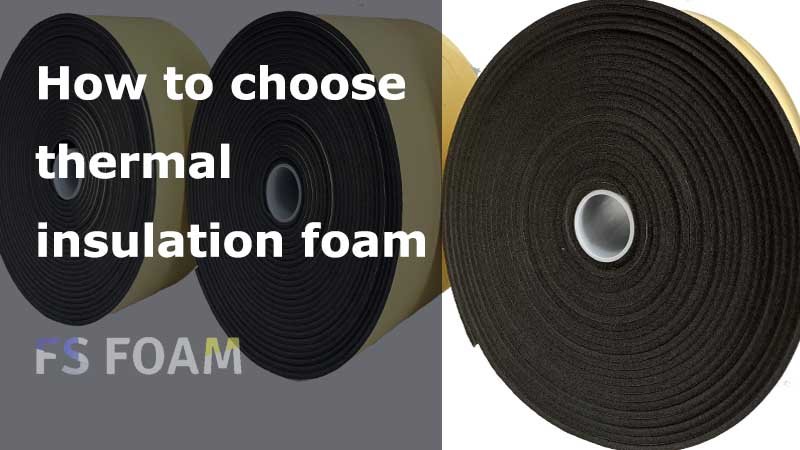
Thermal insulation foam isn’t just another material—it’s a game-changer in the world of energy efficiency, temperature regulation, and overall system performance.
Whether you’re looking to keep your home warm during the winter or cool during the summer, or if you need to protect sensitive equipment from temperature fluctuations.
Thermal insulation foam is the secret weapon that helps you achieve the perfect balance. It’s an unsung hero, often invisible but always working hard to make sure things run smoothly, efficiently, and cost-effectively.
But here’s the catch: the world of thermal insulation foam is vast, and choosing the right type for your needs can be overwhelming. With so many different foams available—each designed with specific properties for particular applications—how do you make the right choice?
In this comprehensive guide, we’ll break down the different types of thermal insulation foam, explore their benefits, and give you expert advice on how to pick the one that best suits your needs.
Whether you’re working in construction, automotive, or packaging, we’ll help you make an informed decision that maximizes energy savings and minimizes long-term costs.
So, buckle up—we’re about to dive deep into the world of thermal insulation foam!
What is Thermal Insulation Foam?
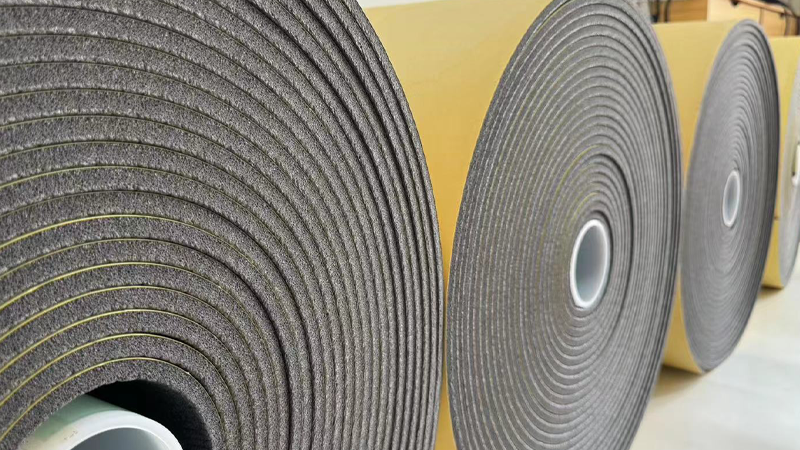
At its core, thermal insulation foam is designed to reduce the transfer of heat between two environments. It’s essentially a material that helps keep heat in or out, depending on your needs. Thermal foam works by trapping air within its structure, either in closed or open cells, which in turn reduces heat flow. The more stable the air pockets, the better the foam performs at slowing down heat transfer.
Closed-cell foams are dense and have sealed cells, making them excellent for preventing heat loss and moisture infiltration.
Open-cell foams, on the other hand, are more porous and allow air to pass through, which makes them better suited for applications where soundproofing is the priority over thermal insulation.
The primary role of thermal insulation foam is to maintain a stable temperature in a space, which can be critical in various settings—from homes and commercial buildings to vehicles and industrial processes. It’s used in everything from wall and roof insulation to packaging sensitive goods, automotive parts, and even refrigerators.
Some of the most common uses include:
- Construction: Thermal insulation foam is used to insulate walls, roofs, and floors to prevent heat loss, reduce energy consumption, and maintain comfortable indoor temperatures.
- Automotive: In cars, thermal foam helps to regulate cabin temperatures, improve fuel efficiency, and reduce road noise.
- Packaging: For transporting temperature-sensitive items like electronics, pharmaceuticals, and food, thermal foam provides an extra layer of protection against extreme temperatures.
- HVAC Systems: It helps to maintain the temperature within air ducts and piping, ensuring energy efficiency and reducing thermal losses.
Understanding how thermal insulation foam functions—and the variety of applications it serves—is the first step in making an informed decision when choosing the right foam for your needs.
Benefits of Using Thermal Insulation Foam
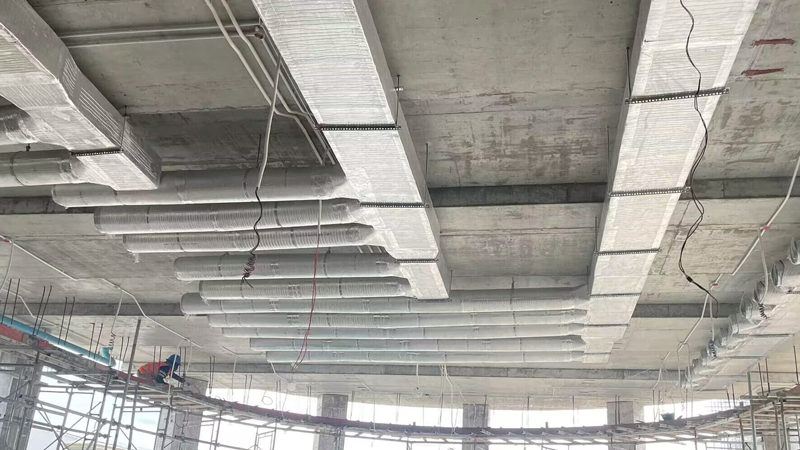
Now, let’s look at some of the key benefits of thermal insulation foam. It’s not just about keeping things warm or cool; the advantages go far beyond that.
1. Energy Efficiency and Cost Savings
The most obvious benefit of thermal insulation foam is its ability to improve energy efficiency. By reducing the amount of heat lost or gained through walls, roofs, and floors, thermal foam helps maintain a comfortable indoor environment without the need for constant heating or cooling. This means lower utility bills and reduced energy consumption over time. In buildings, this can lead to significant savings, while in automotive applications, it can enhance fuel efficiency by keeping the interior temperature stable.
2. Noise Reduction and Acoustic Properties
Another significant benefit of thermal insulation foam is its ability to reduce noise. The same properties that make it effective at insulating heat also help in soundproofing. Open-cell foams, in particular, are excellent at absorbing sound, making them ideal for use in walls, ceilings, and floors where noise reduction is a priority. In automotive applications, closed-cell foams can reduce engine noise and vibrations, improving comfort during travel.
3. Moisture Resistance and Protection Against Mold
Certain types of foam, especially closed-cell foams like polyethylene and XPS, are highly resistant to moisture. This is particularly important in areas like basements, bathrooms, or any space that’s prone to dampness. By preventing moisture buildup, thermal insulation foam helps avoid the growth of mold and mildew, protecting both the foam’s performance and the structural integrity of the building.
4. Durability and Long-lasting Performance
When properly installed, thermal insulation foam can last for decades. High-quality foams, particularly those made from closed-cell materials, are resistant to compression and wear. This makes them ideal for long-term use in both residential and industrial applications. Closed-cell foam, for instance, doesn’t break down easily and can withstand environmental changes, maintaining its effectiveness for years.
5. Environmental Benefits
Many types of thermal insulation foam are made from environmentally friendly materials. Closed-cell polyethylene foam, for example, is made from non-toxic, recyclable materials. As more industries move toward sustainable practices, choosing eco-friendly insulation options can help reduce your carbon footprint and support a greener future. Additionally, the energy savings resulting from the use of high-quality insulation foam contribute to a more energy-efficient, sustainable world.
Types of Thermal Insulation Foam
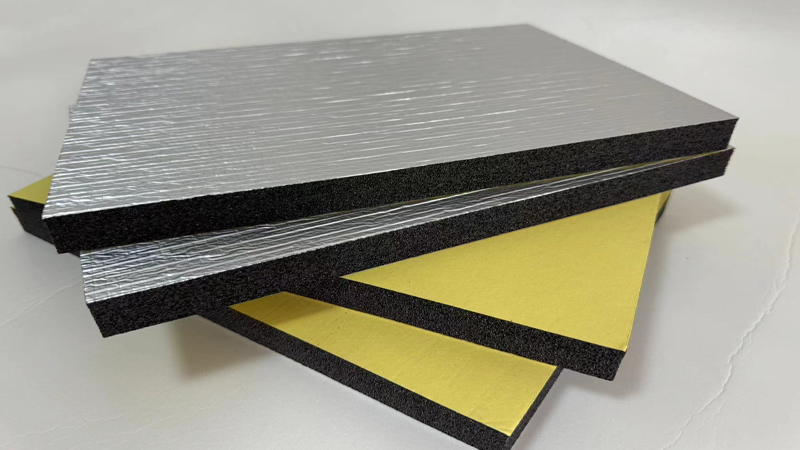
There are several types of thermal insulation foam on the market, each with its own set of characteristics. Let’s take a closer look at the most popular types and their specific uses.
1. Closed-Cell Polyethylene Foam
Closed-cell polyethylene foam, often referred to as XPE or IXPE, is one of the most versatile and durable options available. Its closed-cell structure makes it an excellent choice for thermal insulation, as well as soundproofing and moisture resistance. This foam is used in a wide range of applications, from insulation for buildings and vehicles to protective packaging and sports equipment.
Benefits:
- Excellent thermal resistance (R-value)
- High moisture resistance
- Superior durability and impact resistance
- Lightweight and easy to install
- Eco-friendly and recyclable options
Applications:
- Construction (walls, roofs, floors)
- Automotive (under-hood insulation, soundproofing)
- Packaging (electronics, fragile goods)
- Sports (exercise mats, gym flooring, floating mats)
2. Open-Cell Foam
Open-cell foam is known for its high porosity, making it a great option for soundproofing. Although it’s not as effective at insulating heat as closed-cell foam, it excels in acoustic applications. Open-cell foam is often used in walls and ceilings to reduce noise in buildings, as well as in automotive applications for interior noise control.
3. Polyurethane Foam
Polyurethane foam is one of the most widely used insulation materials, offering a great balance between cost and performance. It’s available in both closed-cell and open-cell varieties and can be used in various applications, including construction and refrigeration. Polyurethane foam is particularly effective at filling gaps and seams, ensuring a tight, continuous insulation barrier.
4. Polystyrene Foam (EPS and XPS)
Polystyrene foam comes in two main forms: expanded polystyrene (EPS) and extruded polystyrene (XPS). EPS is more affordable and is commonly used in construction and packaging. XPS, on the other hand, offers better moisture resistance and thermal performance, making it ideal for outdoor applications like insulating roofs and foundations.
5. Phenolic Foam
Phenolic foam is a rigid foam that offers excellent thermal insulation properties and is highly fire-resistant. It’s commonly used in industrial and high-risk applications, such as in aerospace, automotive, and construction, where safety standards and fire resistance are a priority.
Comparison Table: Types of Thermal Insulation Foam
| Foam Type | Structure | Thermal Resistance (R-value) | Moisture Resistance | Fire Resistance | Applications | Cost |
|---|---|---|---|---|---|---|
| Closed-Cell Polyethylene Foam (XPE) | Closed, rigid cells | High (R-value 3.6–4.0 per inch) | Excellent (waterproof) | UL94HF-1, ASTM compliant | Construction, automotive, HVAC, packaging | Moderate |
| Open-Cell Foam | Open, flexible cells | Moderate (R-value 2.0–3.0 per inch) | Poor to Moderate | Moderate (depending on type) | Soundproofing, insulation for dry environments | Low |
| Polyurethane Foam | Closed or open cells | High (R-value 3.5–6.5 per inch) | Moderate (closed-cell only) | Varies by type (some fire-resistant versions) | Construction, industrial, refrigerators | Moderate |
| Polystyrene Foam (EPS/XPS) | Closed cells (XPS) or open cells (EPS) | Moderate to High (R-value 3.6–5.0 per inch for XPS, 3.6 for EPS) | Moderate to Good (XPS better than EPS) | EPS: Poor, XPS: Moderate | Insulation for walls, roofs, and foundations | Low to Moderate |
| Phenolic Foam | Closed, rigid cells | High (R-value 4.5–5.5 per inch) | Good | Excellent (self-extinguishing) | High-performance applications, fireproof insulation | High |
How to Choose the Right Thermal Insulation Foam?
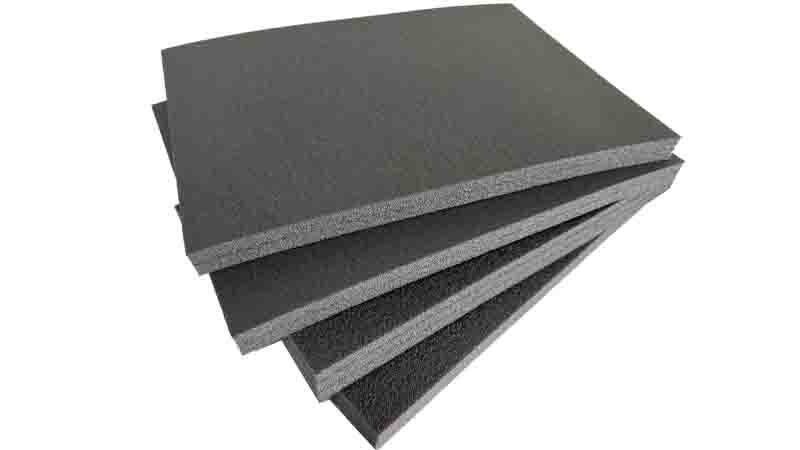
Choosing the right thermal insulation foam isn’t a one-size-fits-all process. Several factors need to be considered based on the specific needs of your project. Here are the main factors to consider:
1. Thermal Conductivity (R-Value)
The R-value measures the foam’s ability to resist heat flow. The higher the R-value, the better the insulation. If you’re looking for maximum energy efficiency, choose foam with a high R-value. Closed-cell polyethylene foam and XPS foam typically offer high R-values, making them ideal for thermal insulation applications.
2. Moisture Resistance
Consider whether your foam will be exposed to moisture. For areas prone to dampness, such as basements or bathrooms, choose foam with high moisture resistance. Closed-cell foams, like polyethylene and XPS, are ideal for these environments, as they won’t absorb water.
3. Fire Resistance and Safety Standards
Safety should always be a priority, especially in applications like construction, automotive, or packaging. Look for foams that meet specific safety standards, such as UL94 or ASTM fire ratings. Phenolic foam is one of the top choices for applications where fire resistance is a critical factor.
4. Cost and Budget
Your budget will influence the type of foam you choose. Closed-cell foams tend to be more expensive, but they offer superior insulation properties and durability. If cost is a concern, consider alternatives like open-cell foam or EPS, which may be more affordable but still provide decent insulation.
5. Ease of Installation
Some foams are easier to handle and install than others. If you’re working on a DIY project, lightweight foams like polyurethane or open-cell foam might be easier to work with. For large-scale industrial projects, you may need more rigid options that require professional installation
Conclusion
Choosing the right thermal insulation foam is a crucial step in ensuring the success of any energy-efficient project. Whether you’re insulating your home, improving the performance of your car, or protecting sensitive goods during transport, the right foam will make all the difference.
From the high R-value of closed-cell polyethylene foam to the cost-effective benefits of open-cell foam, there’s an insulation material out there for every need. When making your decision, keep in mind the factors that matter most—thermal conductivity, moisture resistance, fire safety, and cost—and you’ll be well on your way to making the best choice for your application.
By taking these factors into account, you can ensure that your investment in thermal insulation foam pays off in both the short and long term, delivering energy savings, comfort, and durability for years to come.
FAQs
What is the best thermal insulation foam for energy efficiency?
Closed-cell polyethylene foam and extruded polystyrene foam (XPS) are excellent choices for energy efficiency due to their high thermal resistance.
Can I use thermal insulation foam for soundproofing?
Yes! Open-cell foams and closed-cell polyethylene foams are great for reducing noise levels.
How long does thermal insulation foam last?
High-quality thermal insulation foams can last for decades, especially closed-cell foams, which are known for their durability.
Is thermal insulation foam eco-friendly?
Many types of thermal insulation foam, especially polyethylene foam, come in eco-friendly, non-toxic options that are recyclable. Always check the product details for sustainability certifications.
What is the lifespan of thermal insulation foam?
High-quality thermal insulation foam, especially closed-cell foams, can last for decades without significant degradation. Their durability makes them a long-term solution for energy efficiency and cost savings.