Why has Foam Roller become more and more popular?
Foam rollers have become an essential tool in both fitness and rehabilitation.
Whether you’re an athlete, a fitness enthusiast, or someone just looking for a way to enhance your muscle recovery, foam rolling is likely already on your radar.
The benefits of foam rolling are not just limited to easing post-workout soreness; these cylindrical tools are also essential for improving flexibility, preventing injuries, and enhancing overall mobility.
In this guide, we’re going to dive deep into everything you need to know about foam rollers.
From choosing the right one for your needs to understanding the materials and how to use them effectively, we’ll cover it all.
By the end, you’ll be equipped to make an informed decision on which foam roller will best support your goals, whether you’re rolling for recovery, performance, or injury prevention. let’s dig in.
What is a Foam Roller?
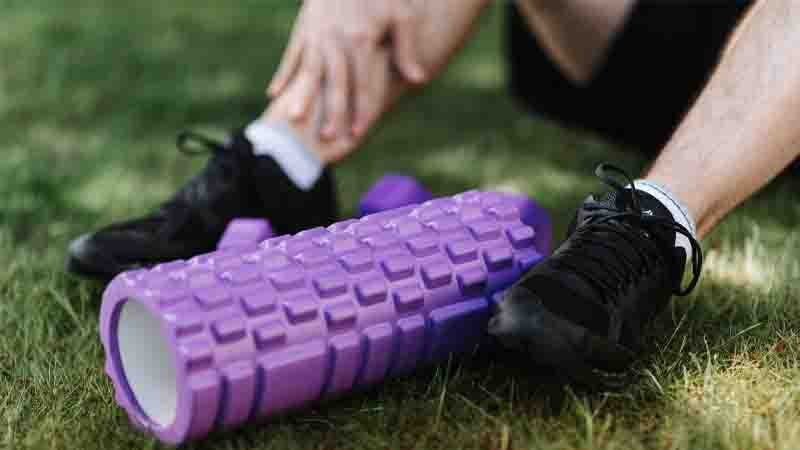
At its core, a foam roller is a simple yet incredibly effective tool used for self-myofascial release (SMR).
What does that mean? It’s a fancy term for relieving muscle tightness and improving blood flow to the muscles through the use of pressure.
Think of it as a self-massage technique, but one that you can do at home, at the gym, or even on the go.
Foam rollers come in a variety of shapes, sizes, and materials, but they all work by applying pressure to different parts of your body.
By rolling over a muscle group, the foam roller helps to break up adhesions and release tension, allowing for greater flexibility and reducing soreness.
Whether you’re using it after a tough workout or as a daily routine, foam rolling can also help prevent injuries by improving muscle elasticity and blood flow.
The history of foam rollers goes back to physical therapy, where they were originally designed to release muscle tension and aid in the rehabilitation process.
Over time, their popularity exploded in the fitness world.
Today, foam rolling has become a vital part of many fitness routines, aiding not only in muscle recovery but also in enhancing overall performance.
Why Using a Foam Roller is Important?
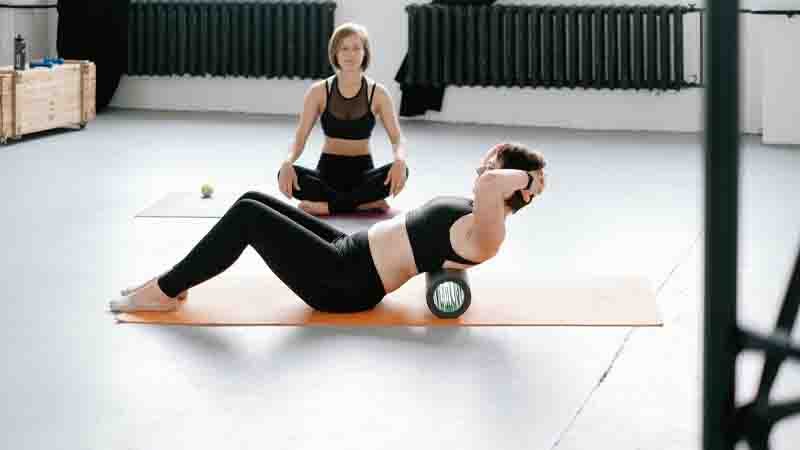
Let’s talk about why foam rolling should be part of your fitness or rehabilitation routine. The benefits are numerous, both physically and mentally.
Muscle Recovery
One of the most well-known benefits of foam rolling is its ability to reduce muscle soreness.
After a tough workout, your muscles experience tiny tears and inflammation. Foam rolling helps alleviate this by promoting blood flow, which accelerates the delivery of nutrients that speed up recovery.
This is why it’s so effective at reducing DOMS (Delayed Onset Muscle Soreness) and preventing it from slowing you down.
Flexibility and Range of Motion
Foam rolling can be a game-changer in improving flexibility.
When you apply pressure to tight muscles, it helps to elongate the tissue, breaking up scar tissue and improving the range of motion.
This is particularly beneficial for athletes and anyone looking to enhance their flexibility for better performance.
Pain Relief
Regular foam rolling can help reduce muscle tension and ease chronic pain.
If you’re dealing with conditions like plantar fasciitis, IT band syndrome, or general muscle tightness, foam rolling can alleviate discomfort and promote muscle healing.
Injury Prevention and Improved Circulation
Foam rolling increases blood flow to your muscles, which is crucial for preventing muscle strains.
By improving circulation, it ensures that your muscles receive the nutrients they need to stay healthy and recover properly.
Regular use helps to prevent injuries, especially in high-intensity sports or training.
Mental and Physical Benefits
Foam rolling doesn’t just benefit your body—it benefits your mind, too.
The rhythmic motion of rolling over your muscles can provide a form of stress relief, helping to release built-up tension.
After a long day, it’s an excellent way to unwind, reduce stress, and promote mental clarity.
What Types of Foam Material Are Usually Used in Foam Rollers?
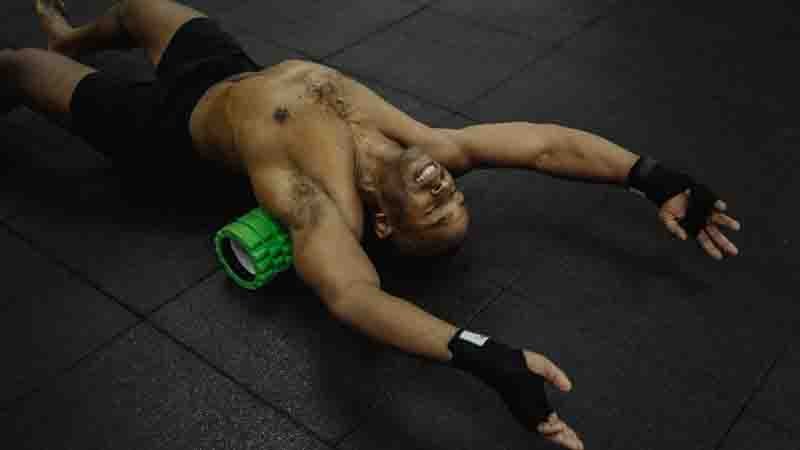
Not all foam rollers are created equal.
The material of the roller plays a significant role in determining its firmness, comfort, and durability.
Let’s take a look at the most common types of foam used and their respective characteristics.
EVA Foam (Ethylene Vinyl Acetate)
EVA foam is the most commonly used material in general-purpose foam rollers.
It strikes a balance between firmness and comfort, making it an excellent option for beginners or those looking for a more moderate pressure.
It’s versatile, lightweight, and provides enough support for a solid foam rolling session without being too harsh on the body.
EPE Foam (Expanded Polyethylene)
If you’re new to foam rolling or have sensitive muscles, EPE foam might be your best option.
This material is softer and gentler, providing less intense pressure.
It’s lightweight and ideal for beginners or those seeking a more relaxed rolling experience.
Polyurethane (PU) Foam
For those who need something more durable and firm, PU foam is a great choice.
Known for its resilience, PU foam retains its shape even after long-term use, making it ideal for deep tissue work or high-intensity foam rolling.
It’s commonly used by athletes and individuals who need a more intense massage.
XPE Foam (Cross-Linked Polyethylene)
XPE foam is often used for specialized, firmer rollers.
It’s more advanced than standard EVA foam, offering a deeper, more intense massage experience.
If you’re looking for a roller that can really target deep muscle tissue, XPE foam will give you that powerful, penetrating pressure.
Memory Foam
Memory foam is a softer, more cushioned option.
It’s perfect for beginners or individuals with sensitivity to intense pressure.
Memory foam provides a plush, comfortable feel, and is ideal for those who prioritize comfort over deep tissue work.
Thermoplastic Rubber (TPR)
TPR foam combines durability and firmness, providing a resilient surface that retains its shape over time.
It’s typically used in higher-end rollers and is great for people who want a foam roller that will withstand frequent use without losing its effectiveness.
Expanded Polypropylene (EPP)
EPP foam is another lightweight and durable option.
It resists compression, meaning it doesn’t lose its shape easily even with frequent use.
It’s a mid-range option, offering good durability and comfort, making it suitable for most fitness enthusiasts.
How to Choose the Foam Roller?
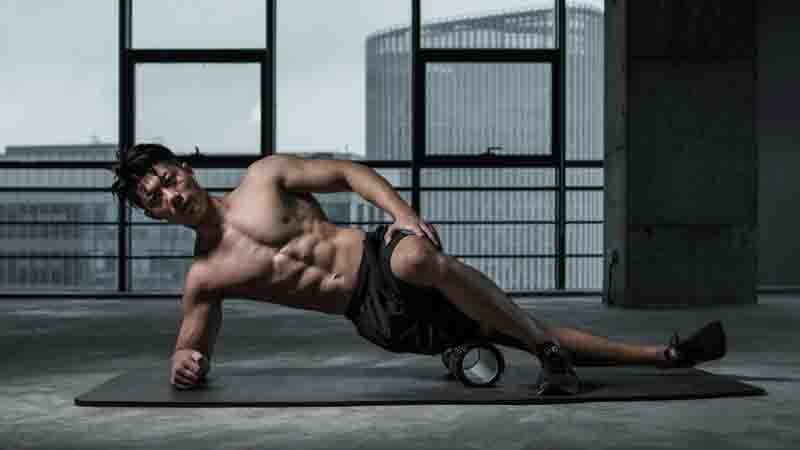
Choosing the right foam roller depends on a few key factors: firmness, size, material, and the purpose of your rolling routine.
Firmness and Density
First things first, how much pressure do you need?
If you’re new to foam rolling, you’ll want a softer roller that provides a more gentle experience.
As you build tolerance and experience, you can transition to firmer rollers that offer more intense pressure.
- Light Rollers: Perfect for beginners or people seeking a softer touch. These are less dense and provide a gentle, soothing experience for those with sensitive muscles.
- Medium Rollers: These provide a balanced experience, offering moderate pressure that’s suitable for most individuals.
- Firm Rollers: For seasoned roller users or those who need a deeper massage. These offer high pressure, which helps to break down tough muscle knots and adhesions.
Size and Shape
Foam rollers come in different sizes and shapes, and the one you choose will depend on the muscle groups you’re targeting.
- Standard 36-inch Rollers: These are great for full-body rolling and can be used to target large muscle groups like your back, thighs, and calves.
- Smaller Rollers: If you need to target specific muscle groups like your forearms, calves, or shoulders, a smaller handheld roller might be the right fit. These are also more portable, so you can take them on the go.
Purpose
Are you using the roller for recovery, pain relief, or mobility? Your goal will influence your choice.
- Recovery: If recovery is your main goal, a softer roller made from EVA or memory foam will provide the comfort you need to relieve muscle tension.
- Mobility: For improving flexibility and joint mobility, a firmer roller, like one made from XPE foam, will give you the pressure needed to increase your range of motion.
- Pain Relief: If you’re targeting deep muscle tension, a firmer material like PU foam or XPE foam is your best bet.
- Performance: To activate muscles pre-workout or aid in post-workout recovery, a medium to firm-density roller is ideal. This will increase circulation and reduce muscle tightness.
Texture and Design
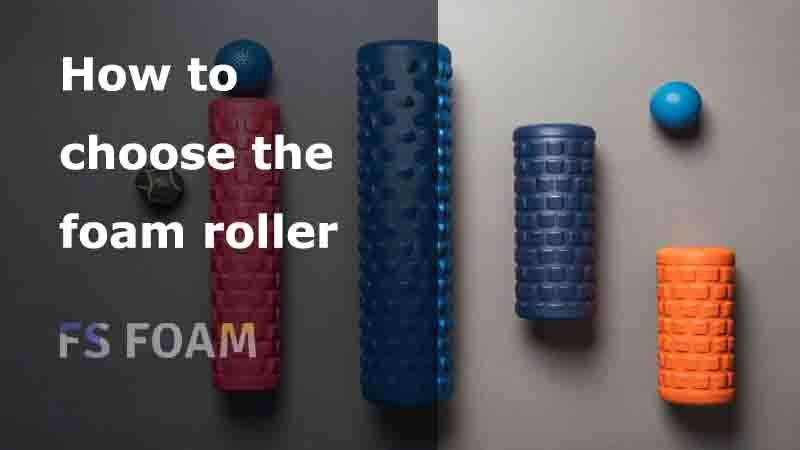
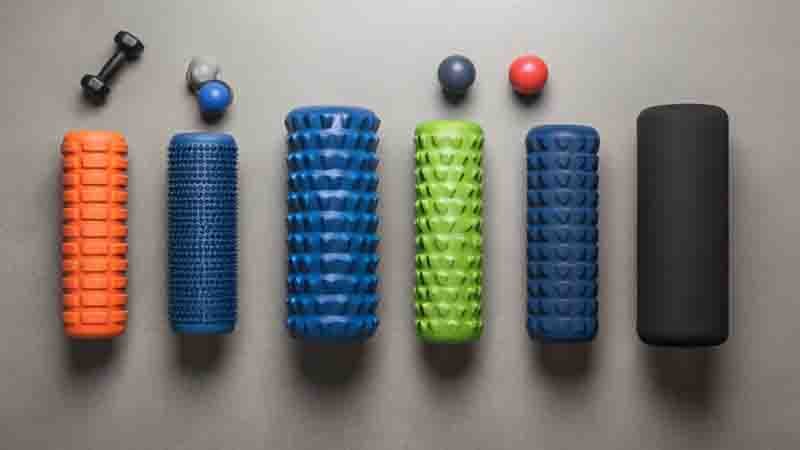
Foam rollers come in two main types: smooth and textured.
- Smooth Rollers: These are simple and great for beginners. They provide a consistent, gentle pressure across your muscles.
- Textured Rollers: Textured rollers have ridges, knobs, or grids that are designed to target specific areas of muscle tension. These are ideal for deep tissue massage and for releasing trigger points.
Durability and Price
Higher-end materials like PU foam or XPE foam are more durable, which makes them worth the investment if you plan to use the roller regularly.
Budget options may work well for beginners, but they may not last as long with frequent use.
Common Mistakes to Avoid When Choosing a Foam Roller
It’s easy to make mistakes when picking a foam roller, especially if you’re new to the process.
Here are a few common mistakes to avoid:
Choosing the Wrong Firmness
One of the biggest mistakes people make is choosing a foam roller that’s too firm or too soft for their needs.
If you’re just starting with foam rolling, begin with a softer roller.
As your body adjusts, you can gradually move to a firmer one.
Not Considering Material Durability
Some foam rollers lose their shape and effectiveness after just a few uses.
Opt for a roller made from durable materials like PU or XPE foam if you plan to use it regularly.
Overlooking Size and Design
If you have specific muscle groups you want to target, don’t just grab any roller off the shelf. Consider the size and shape of the roller to ensure it fits your needs.
Ignoring Texture
Smooth rollers are fine for beginners, but if you need deeper relief, don’t shy away from textured rollers. They’re designed to hit those tough spots and provide a more effective massage.
How to Store and Take Care of the Foam Roller?
To ensure your foam roller lasts, it’s important to take care of it.
Proper Storage
Keep your foam roller in a cool, dry place away from direct sunlight to prevent it from deteriorating.
Avoid leaving it in places where it can be exposed to extreme temperatures, as this can affect the material’s integrity.
Cleaning and Maintenance
Clean your roller regularly with mild detergent and water.
This will help remove dirt, sweat, and oils that accumulate during use. Avoid harsh chemicals, as they can break down the foam material.
Handling Wear and Tear
Over time, foam rollers can show signs of wear, such as flattening or deformation. If this happens, it may be time to invest in a new one.
Conclusion
In summary, choosing the right foam roller is crucial for achieving your fitness and recovery goals.
Consider your experience level, the firmness, material, and size that best suits your needs, and be mindful of the specific purpose you’re using it for.
By choosing wisely, you can enhance your muscle recovery, prevent injuries, and improve your overall performance.
FAQs
How often should I use a foam roller?
It depends on your goals, but a few times a week is generally sufficient for most people.
What’s the difference between foam rolling and stretching?
Foam rolling targets muscle tissue for deep relaxation, while stretching focuses on elongating muscles.
Can foam rolling help with chronic pain?
Yes, foam rolling can help relieve muscle tension and alleviate chronic pain conditions over time.
How do I know if I’m using the foam roller correctly?
Make sure to roll slowly, stopping at tight spots. Apply gentle pressure and avoid rolling too fast.
What’s the best time of day to use a foam roller?
Foam rolling can be effective at any time, but many people find it most beneficial post-workout or before bed to release tension.