Introduction
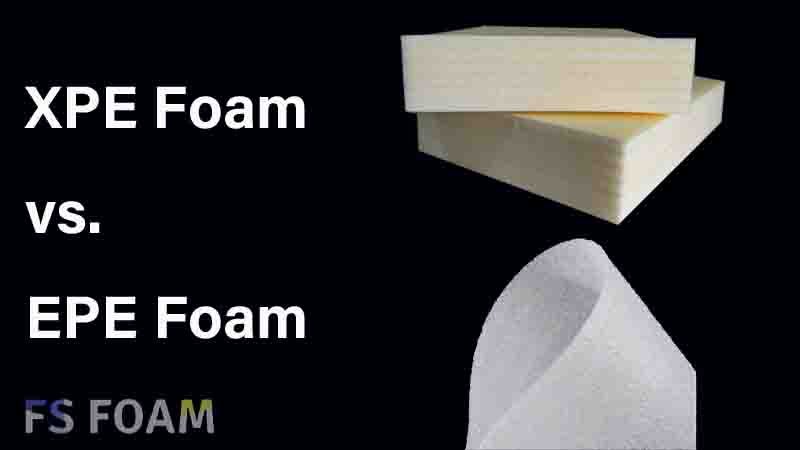
Foams come in many forms, each suited for different applications, but two of the most widely used are XPE and EPE foams. If you’ve been wondering about the difference between them, you’re not alone. Knowing the differences can help you make the right choice for your needs, whether it’s for packaging, insulation, or sports gear.
What is XPE Foam?
XPE, or Cross-Linked Polyethylene foam, is made by chemically cross-linking polyethylene molecules. This process creates a closed-cell foam, meaning its cells are packed tightly together, which improves its durability, density, and resilience. XPE is popular in applications where strength and insulation are critical. It’s used in automotive interiors, sports mats, and building insulation due to its waterproof and durable nature.
What is EPE Foam?
EPE, or Expanded Polyethylene foam, differs in its structure and properties. It’s made by expanding polyethylene, creating a foam with a semi-open cell structure. This makes it lightweight and cushioning but less dense than XPE. EPE is commonly used in affordable packaging, protective padding, and cushioning applications. Its low cost and lightweight make it popular, especially for packaging fragile items.
What is the Difference Between XPE and EPE Foam?
Here’s a quick rundown of how these two types of foam differ:
- Material Structure: XPE is cross-linked, making it denser, while EPE is expanded and lightweight.
- Water Resistance: XPE is highly water-resistant due to its closed cells, while EPE is less so.
- Thermal Insulation: XPE is better suited for insulation because it can withstand higher temperatures.
- Cost: EPE is more affordable, making it ideal for cost-effective packaging.
- Durability: XPE has greater resilience, so it holds up well under stress.
Density and Structure
XPE foam is denser than EPE, which directly impacts its durability and application range. The cross-linking process in XPE makes it more compact, allowing it to absorb greater impact and endure repeated pressure. EPE, on the other hand, is less dense. This makes EPE lightweight and flexible but not as durable as XPE.
Water Resistance
One of the defining characteristics of XPE is its water resistance. The closed-cell structure means that water cannot easily penetrate, making it ideal for moisture-prone environments, such as automotive interiors and construction projects. EPE is somewhat water-resistant but is less effective in environments where waterproofing is essential.
Thermal Insulation and Sound Dampening
XPE foam provides excellent thermal insulation due to its dense, closed-cell structure. This is why it’s commonly used in construction as an insulating layer. It also helps dampen sound, making it useful for soundproofing. EPE, while offering some insulation, doesn’t perform as well in this area and is generally reserved for applications where insulation isn’t a primary requirement.
Cost Considerations
One of the main reasons EPE is widely used is its affordability. Since it’s easier and cheaper to produce, it’s the go-to for budget-conscious applications like packaging. XPE, while more costly, offers higher quality and durability, making it worth the investment for applications where strength and longevity are priorities.
Flexibility and Resilience
XPE foam is known for its resilience—it bounces back after compression and can endure multiple impacts. This makes it suitable for sports mats and protective gear. EPE is more flexible and offers good cushioning, but it doesn’t have the same ability to withstand repeated impact, so it’s more suited to one-time use in packaging.
Here’s a table listing the key differences between XPE and EPE foams:
| Feature | XPE Foam | EPE Foam |
| Material Structure | Cross-linked, closed-cell structure | Expanded, semi-open cell structure |
| Density | Higher density, more durable | Lower density, lightweight |
| Water Resistance | Highly water-resistant | Moderately water-resistant |
| Thermal Insulation | Excellent thermal insulation | Limited insulation capabilities |
| Sound Dampening | Provides effective soundproofing | Minimal sound dampening |
| Cost | More expensive due to higher quality | Generally more affordable |
| Flexibility | Rigid but resilient, suitable for impact resistance | Flexible, suitable for cushioning |
| Durability | Highly durable, withstands multiple impacts | Less durable, better for single-use applications |
| Applications | Automotive, insulation, sports equipment | Packaging, padding, lightweight applications |
| Recyclability | Recyclable but may require special processing | Recyclable, often accepted at general recycling facilities |
Applications: Choosing the Right Foam
Understanding the applications of XPE and EPE foam helps you decide which is best for your needs.
- Packaging: For general packaging, EPE is an affordable, lightweight option. However, if you’re looking to protect high-value items, XPE offers more robust protection.
- Construction: In building and construction, XPE is ideal due to its insulation properties and durability. It can serve as a moisture barrier and thermal insulator.
- Sports and Fitness Equipment: XPE is widely used in sports mats and fitness gear because it’s durable, resistant to impact, and doesn’t absorb moisture.
- Automotive: XPE is a preferred choice for automotive interiors, including door panels and soundproofing, thanks to its durability, water resistance, and insulation properties.
Environmental Considerations
With increasing awareness about sustainability, it’s worth noting the environmental impact of both foams. EPE is recyclable, although it’s not always accepted at local recycling facilities. XPE is also recyclable, but because of its cross-linked structure, it may require specialized recycling processes. When considering sustainability, factor in whether these materials can be repurposed or recycled in your region.
Conclusion
In summary, the choice between XPE and EPE foam depends largely on the application, budget, and performance requirements. XPE offers superior durability, water resistance, and insulation, making it suitable for demanding applications. EPE is a more economical choice for lightweight packaging and cushioning. If you want your project to be more effective and save money in the long run, XPE foam is a better choice.
FAQs
1. What are the main differences between XPE and EPE?
XPE is cross-linked, denser, and more durable, while EPE is expanded, lightweight, and affordable.
2. Is XPE foam waterproof?
Yes, XPE is highly water-resistant due to its closed-cell structure, making it ideal for moisture-prone environments.
3. Which foam is best for insulation?
XPE is better suited for thermal insulation and soundproofing applications, especially in construction and automotive industries.
4. Why is EPE foam cheaper?
EPE is easier to produce and less dense, making it a more affordable option for applications like packaging and general cushioning.
5. Can both foams be recycled?
Both XPE and EPE are recyclable, but recycling availability depends on local facilities. XPE may require specialized recycling processes due to its cross-linked structure.