What is Packaging Foam?
Packaging foam isn’t just a protective layer; it’s the silent guardian of your goods, a cushion that shields fragile items from the chaos of transportation. This lightweight yet durable material comes in various forms, tailored to meet the unique needs of industries worldwide. From absorbing shocks to insulating temperature-sensitive items, packaging foam is a marvel of modern engineering.
It’s more than just foam; it’s a safeguard for businesses and consumers alike.
Why is Packaging Foam Important?
Imagine shipping a priceless artifact or a sensitive electronic device without proper cushioning. The risks are astronomical. Packaging foam is the unsung hero that ensures products reach their destination unscathed. Here’s why it’s indispensable:
- Impact Protection: Packaging foam absorbs shocks and vibrations, acting as a buffer against physical damage. Think of it as a safety net for your valuables.
- Product Stability: No one wants their items shifting around during transit. The foam keeps everything firmly in place, preventing internal damage.
- Surface Protection: Scratches, dents, and blemishes? Not on Foam’s watch. It creates a barrier between delicate surfaces and external hazards.
- Customizability: Packaging foam can be molded and cut into any shape, fitting snugly around even the oddest of objects.
- Specialized Features: Need thermal insulation? Anti-static properties? Fire resistance? Packaging foam has you covered.
20 Types of Packaging Foam
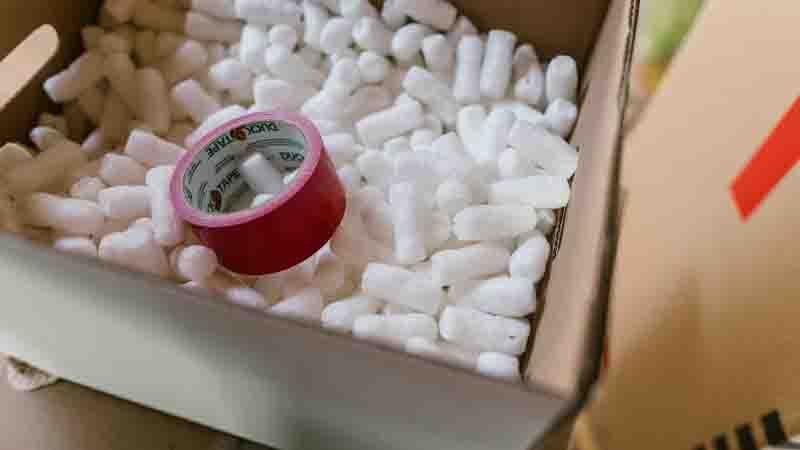
1. Expanded Polystyrene (EPS)
EPS is the jack-of-all-trades in the packaging world. Lightweight yet rigid, this foam is perfect for blocking and bracing fragile items. Its insulating properties make it a favorite in the food and pharmaceutical industries.
2. Polyethylene (PE) Foam
Versatility defines PE foam. It’s a closed-cell foam known for excellent cushioning and vibration dampening. Whether it’s electronics or industrial equipment, PE foam ensures safe delivery.
3. Polyurethane (PU) Foam
Soft and flexible, PU foam adapts to the most fragile of items. Its customizability is unmatched, making it ideal for intricate packaging designs. Fragile artifacts and medical devices find solace in PU foam.
4. Cross-Linked Polyethylene (XPE) foam
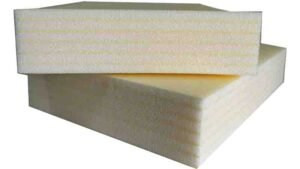
Think durability. Think moisture resistance. XPE foam is the go-to material for Class A surface protection, offering superior cushioning without sacrificing style.
5. Expanded Polypropylene (EPP)
This lightweight foam is a powerhouse of shock absorption. EPP’s resilience makes it a staple in automotive and consumer product packaging.
6. Expanded Polyethylene (EPE)
EPE foam offers an impressive weight-to-strength ratio. Be it high-performance thermal resistance or superior cushioning, EPE ticks all the boxes for demanding applications.
7. Anti-Static Foam
Static electricity is the nemesis of electronics. Anti-static foam neutralizes this threat, ensuring sensitive components remain safe and functional.
8. Microfoam
When weight is a concern, Microfoam steps in. It’s lightweight yet effective, providing adequate cushioning without adding unnecessary bulk.
9. Zote Foam
Durable and shock-resistant, Zote Foam is a high-grade material preferred for heavy-duty applications. It’s the choice for those who refuse to compromise on protection.
10. Convoluted Foam
Egg crate foam—a staple in packaging. Its design provides ample cushioning while allowing air circulation, making it perfect for delicate or oddly shaped items.
11. Foam Sheets
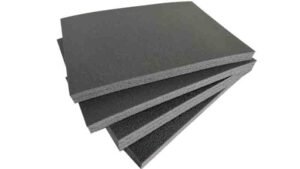
Flat, versatile, and effective, foam sheets are the go-to solution for surface protection. Be it furniture or artwork, these sheets prevent scratches and dents with ease.
12. Foam Pouches
Pre-shaped and snug, foam pouches wrap around small items like jewelry or electronics, offering customized protection.
13. Foam Inserts
Precision packaging at its best. Foam inserts are tailored to hold specific items securely, ensuring they remain immobile during transit.
14. Foam Roll
When flexibility is key, foam rolls deliver. They can be cut to size and used in various applications, from lining crates to wrapping fragile goods.
15. Fire Retardant Foam
Safety first. Fire retardant foam is chemically treated to resist flames, making it a crucial choice for hazardous environments.
16. Thermal Insulation Foam
Cold chain logistics rely heavily on thermal insulation foam. It protects perishable goods from extreme temperature fluctuations.
17. Closed-Cell EVA Foam
EVA foam is synonymous with flexibility and resilience. It’s a favorite for sports equipment and protective packaging alike.
18. Open-Cell PU Foam
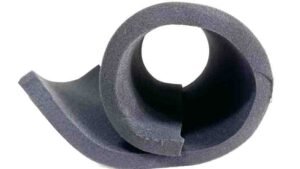
Sound absorption meets lightweight cushioning. Open-cell PU foam is a dual-purpose material, often used in acoustic applications.
19. High-Density Foam
Heavy items demand robust protection. High-density foam delivers, providing the durability and support necessary for the toughest jobs.
20. Custom Fabricated Foam
No two packaging needs are alike. Custom-fabricated foam ensures a tailored solution that meets the exact specifications of your product.
Selecting the Best Foam for Your Packaging
Ask the Right Questions
- What is the item’s weight and fragility? Heavier or delicate items might need high-density or XLPE foam.
- What are the shipping conditions? Consider whether the package will face vibrations, impacts, or temperature fluctuations.
- Are there special requirements? Items like electronics need anti-static foam, while perishables may require thermal insulation.
- What’s the budget? Balancing cost with protection needs is key to making the right choice.
XPE Foam in the Packaging Industry
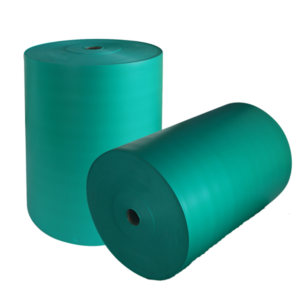
Cross-linked polyethylene (XPE) foam has revolutionized the packaging industry with its unique combination of features. It strikes a balance between durability, flexibility, and cost-effectiveness, making it a preferred choice across various sectors.
Key Features of XPE Foam
- Durability: Resistant to wear and tear, XPE foam ensures long-lasting protection for goods.
- Shock Absorption: Its closed-cell structure effectively absorbs impacts, safeguarding delicate items during transit.
- Moisture Resistance: Ideal for humid conditions, XPE foam prevents damage from moisture and liquids.
- Lightweight Design: Reduces shipping costs without compromising on protection.
- Customizability: Easily molded into different shapes to fit diverse packaging needs.
Applications in Packaging
- Electronics: Protects fragile components from vibration and static electricity.
- Automotive Parts: Safeguards heavy and oddly shaped items with superior cushioning.
- Medical Devices: Offers hygienic and moisture-resistant packaging for sensitive equipment.
- Consumer Goods: Provides a cost-effective yet robust solution for a wide range of products.
An international appliance manufacturer incorporated XPE foam into their packaging for high-end kitchen equipment. The foam’s ability to absorb shocks and resist water reduced transit damages by 30%, leading to increased customer satisfaction and lower replacement costs.
Conclusion
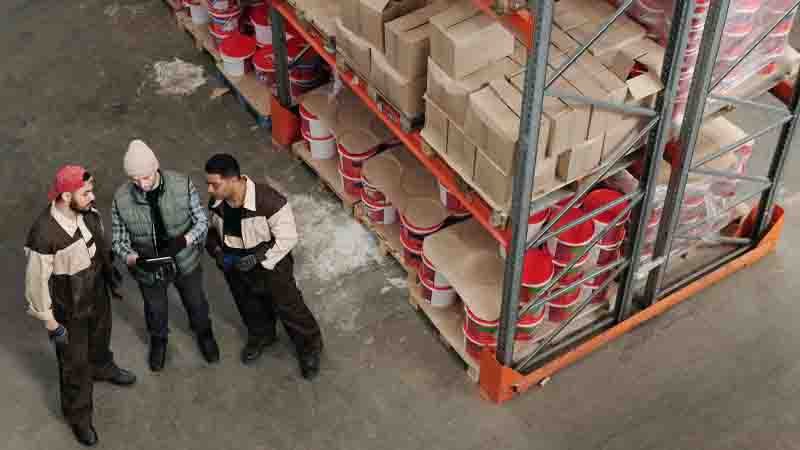
Choosing the right packaging foam is an art and a science. By understanding the needs of your product and exploring the options available, you can ensure safe, efficient delivery every time. Whether it’s lightweight Microfoam or robust High-Density Foam, the right choice makes all the difference.
FAQs
1. What is the most commonly used packaging foam?
Expanded Polystyrene (EPS) is one of the most commonly used foams due to its lightweight structure and excellent insulating properties.
2. Is XPE foam environmentally friendly?
XPE foam is recyclable and reusable, making it an eco-friendly choice for many packaging applications.
3. How do I choose the right foam for fragile items?
Consider the fragility and weight of the item, and opt for foams like PU or XPE that provide superior shock absorption and cushioning.
4. Can packaging foam be reused?
Yes, many types of packaging foam, such as XPE and PE foam, are durable and can be reused multiple times, reducing waste.
5. What foam is best for temperature-sensitive products?
Thermal insulation foam is specifically designed to protect temperature-sensitive items from extreme heat or cold, making it ideal for food or pharmaceutical packaging.